

ABSTRACT
The authors have made corrections to Table 2 and Fig. 1 of this article at
https://doi.org/10.47102/annals-acadmedsg.202658-correction
Introduction: Osteoporosis is a progressive disease characterised by changes in bone structure leading to fragility fractures. In Singapore, it is a significant health concern with a high prevalence, and is expected to increase as the population ages. These consensus statements aim to provide scientifically grounded recommendations for the management of osteoporosis, to standardise its management in Singapore and promote multidisciplinary collaboration.
Methods: An expert panel comprising 18 representatives from 10 Singapore medical bodies developed consensus statements based on current evidence and through multiple online meetings. Each panellist voted on each statement independently using a 3-point Likert scale (Agree, Neutral, Disagree). Consensus (total ratings of “Agree”) was set a priori at ≥80%, with statements not reaching this threshold excluded for lacking consensus.
Results: The expert panel reached consensus on 80 consensus statements. These include 10 statements on screening, risk factors, and fracture risk assessment; 7 statements on initial bone mineral density testing; 5 on the indications for pharmacotherapy; 20 on osteoporosis pharmacotherapy; 24 on treatment targets, treatment monitoring, and follow-up bone mineral density testing; and 14 statements on the prevention and management of medication-related osteonecrosis of the jaw.
Conclusion: The consensus statements in this paper guide clinicians in using the latest evidence and expert opinion to inform appropriate diagnostic and therapeutic approaches for the management of osteoporosis. These statements are not intended to replace current guidelines, but rather to support clinical decision-making and help develop individualised, patient-centred management plans based on the patient’s demographics, clinical characteristics, and preferences.
CLINICAL IMPACT
What is New
- These consensus statements integrate the latest clinical evidence with practical considerations in the management of osteoporosis in Singapore.
- The statements align with and complement the Agency for Care Effectiveness Clinical Guidance published on 15 August 2025 on thresholds, pharmacotherapy options, and referral triggers.
Clinical Implications
- Clinicians should stratify patients by fracture risk and implement personalised, patient-centred treatment pathways that escalate rapidly for very high-risk individuals.
- Long-term management requires careful planning of transitions in pharmacotherapy, and appropriate specialist referral and multidisciplinary management as the patient’s condition evolves during management.
Osteoporosis is a progressive disease characterised by a decrease in bone mineral density (BMD) secondary to pathophysiological alterations in the bone microstructure that predispose patients to fragility fractures. It is a global health problem that has caused significant morbidity and mortality, leading to a lower quality of life and increasing healthcare costs.1
In the Asia-Pacific region, a study involving 9 member countries of the Asian Federation of Osteoporosis Societies found that the number of hip fractures will increase from 1,124,060 in 2018 to 2,563,488 in 2050.2 In Singapore, a systematic review reported a prevalence of 8.5% among all adult men, 6.8% among women aged 45–69 years, and 35.7%–59% among all adults aged 60 years and above.1 While the incidence of femoral neck fractures among adults 45 years old and above was 611 per 100,000 person-years or lower, estimates among women 75 years old and older were much higher (up to 1369 per 100,000 person-years).1
According to Singapore data, 36,082 first hip fractures were recorded in an 18-year study period in the new millennium—from 2000 to 2017—where the incidence of hip fracture admissions continued to rise from 1487 to 2729 fractures/year, in keeping with an ageing population.3 Singaporean women have twice the hip fracture rate of men, and risk factors are related to menopausal osteoporosis and low oestrogen levels and bioactivity.4-6 Osteoporosis in women is also more prominent among those with low body mass index (BMI), Chinese ethnicity, sleep apnoea, chronic joint pain, and weak muscle strength.7-10
Despite the burden of osteoporosis, it remains under-treated in Singapore, and more than 54% of primary care physicians reported barriers to osteoporosis management, including low familiarity with patient follow-up (18%), pharmacological treatments (11%), and interpretation of BMD (9%).11 To address some of these gaps, these consensus statements were developed to provide practical, context-specific recommendations to guide healthcare professionals across specialties—including primary care physicians, specialists, and allied health providers—in clinical decision-making for the screening, diagnosis, and management of osteoporosis to improve patient outcomes and reduce the burden of osteoporotic fractures in Singapore.
While several international and Asia-Pacific consensus statements have been published on the management of osteoporosis, these recommendations are often developed in the context of heterogeneous healthcare systems and may not fully address practice realities in Singapore. This Singapore consensus was developed to complement existing regional guidance by providing context-specific recommendations that reflect epidemiology, healthcare infrastructure, access to diagnostics and therapies, and prevailing clinical practice patterns in Singapore, with an emphasis on practical implementation across multidisciplinary care settings.
Importantly, these consensus statements aim to supplement the Agency for Care Effectiveness (ACE) Clinical Guidance (“Osteoporosis: Diagnosis and Management”) published in 2025 by expanding the discussion on various topics, including screening, pharmacotherapy, treatment targets, treatment response, patient monitoring and follow-up, and medication-related osteonecrosis of the jaw (MRONJ).12
METHODS
An expert panel was formed to represent several medical specialties involved in the management of osteoporosis, including endocrinologists, rheumatologists, geriatricians, obstetricians and gynaecologists, orthopaedic surgeons, dentists and dental surgeons, and primary care physicians with an interest in osteoporosis. To achieve this, the following societies were invited to nominate 2 representatives each to the expert panel: the Osteoporosis Society (Singapore); the Singapore Dental Association; the Endocrine and Metabolic Society of Singapore; the Society for Geriatric Medicine Singapore; the Singapore Orthopaedic Association; the Obstetrical and Gynaecological Society of Singapore; the College of Dental Surgeons; the Singapore Society of Rheumatology; the Chapter of Endocrinology; and the College of Obstetricians and Gynaecologists. A total of 18 experts accepted the nominations from their respective societies.
A steering committee comprising 3 specialists (2 endocrinologists, 1 family physician) conducted a formal literature review using Medline/PubMed, Embase, the Cochrane Library, and Google Scholar. The retrieved literature was then assessed using the Grading of Recommendations Assessment, Development, and Evaluation (GRADE) system.13 The level of evidence was graded as follows: (1) high (i.e. high confidence that the true effect is similar to the estimated effect); (2) moderate (i.e. true effect is probably close to the estimated effect); (3) low (i.e. true effect might be markedly different from the estimated effect); and (4) very low (i.e. very low certainty of the true effect). The level of evidence was modified if variations in the estimated clinical effects—due to ethnicity, cultural context, healthcare infrastructure, access to resources, and prevailing clinical practice—were observed and differed from the published findings.
A modified Delphi process was used in the consensus process. This included structured, predefined items, qualitative as well as semi-structured or quantitative ratings, and 2 to 3 rounds of voting, unlike a traditional Delphi approach.14 Based on the findings of the literature review, a steering committee developed comprehensive consensus statements focusing on osteoporosis screening, risk factor assessments, diagnostics, therapeutic approach, monitoring, and follow-ups. The statements, together with the evidence, were reviewed by the entire expert panel over online meetings and email correspondence. The meetings were led by the steering committee and moderated by an independent methodologist. The consensus process required expert panels to indicate their agreement with the various statements by voting using a standardised voting sheet. Panel members independently rated their level of agreement with each draft statement on a 3-point Likert scale (Agree, Neutral, Disagree). Statements underwent 2 to 3 Delphi rounds and 3 rounds of voting. Statements that achieved at least 80% agreement at “Agree” were accepted as consensus recommendations. Statements that did not reach consensus despite multiple iterations (e.g. specific fracture risk thresholds for treatment initiation) were either excluded or presented with explicit acknowledgement of lack of consensus; in such cases, individualised clinical judgement was encouraged.
Statements that achieved consensus were classified as follows: “Strong” if the benefits of the intervention outweigh the undesirable effects and was chosen by most well-informed individuals, attaining high percentage of consensus agreement; “Weak” if there was uncertainty in the desirable and undesirable effects of the intervention due to low quality of evidence, or an alternative intervention was available; “good practice statement” (GPS) if the recommendation was based on clinical expert opinion.
RESULTS
The expert panel reached consensus on 80 statements. These include 10 statements on screening, risk factors, and fracture risk assessment; 7 statements on initial BMD testing; 5 statements on the indications for pharmacotherapy and 20 statements on the various pharmacological agents for osteoporosis; 24 statements on treatment targets, treatment monitoring, and follow-up BMD testing; and 14 statements on the prevention and management of MRONJ.
DISCUSSION
Screening, risk factors, and fracture risk assessment
Table 1. Statements 1–3.
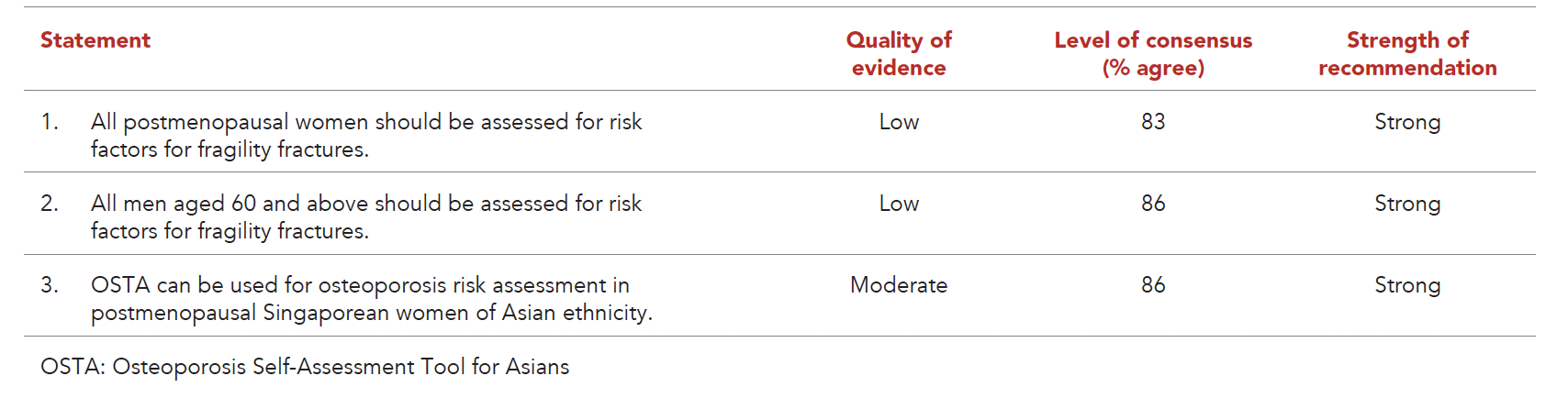
Early identification of individuals at risk and the use of targeted screening strategies for osteoporosis and fragility fractures are fundamental to effective fracture prevention. The expert panel recommends that risk factors for fragility fractures be assessed in all postmenopausal women as well as men 60 years old and above. Well-recognised risk factors include a history of fragility fracture, family history of osteoporosis, being of Chinese ethnicity, a history of falls, a BMI of <20 kg/m², early menopause (≤45 years old), lifestyle factors such as smoking and alcohol consumption, poor dietary calcium intake, long-term use of medications that accelerate bone loss, and chronic conditions such as diabetes mellitus or inflammatory rheumatic diseases.12
In Singapore, the Osteoporosis Self-Assessment Tool for Asians (OSTA) may be used for osteoporosis risk among postmenopausal Singaporean women of Asian ethnicity.15 OSTA stratifies risk using only 2 variables: age (years) and weight (kg). Patients are classified as high (score >20), moderate (score 0–20), or low risk (score <0) (Supplementary Fig. S1), providing a simple and practical guide in the primary care setting to identify those who should undergo BMD testing. The overall performance of OSTA is known to vary between populations, as demonstrated in various studies. Among postmenopausal women in Beijing, OSTA was shown to have a sensitivity of 69.6% and a specificity of 75.1%.16 For postmenopausal women in rural India, OSTA had a sensitivity of 88.5% and a specificity of 41.7%.17 For Thailand, pooled estimates for sensitivity and specificity were 84% and 61%, respectively.18 In Hong Kong, a recent study found that in women under 65 years old, OSTA had a sensitivity of 67.8% and specificity of 63.4%; in older women, sensitivity was high at 97.3%, but specificity was low (18.1%).19 In contrast, a newly developed scale (Chinese Osteoporosis Screening Algorithm, or COSA) had improved sensitivity and specificity in the Singapore population in Hong Kong.19 Lastly, a Singapore study found that a modified cut-off point of -1.2 had a sensitivity of 76% and a specificity of 74%.20 Future studies should be conducted to assess the specificity and sensitivity in Singapore among different ethnicities and age groups.
Table 2. Statements 4–10.
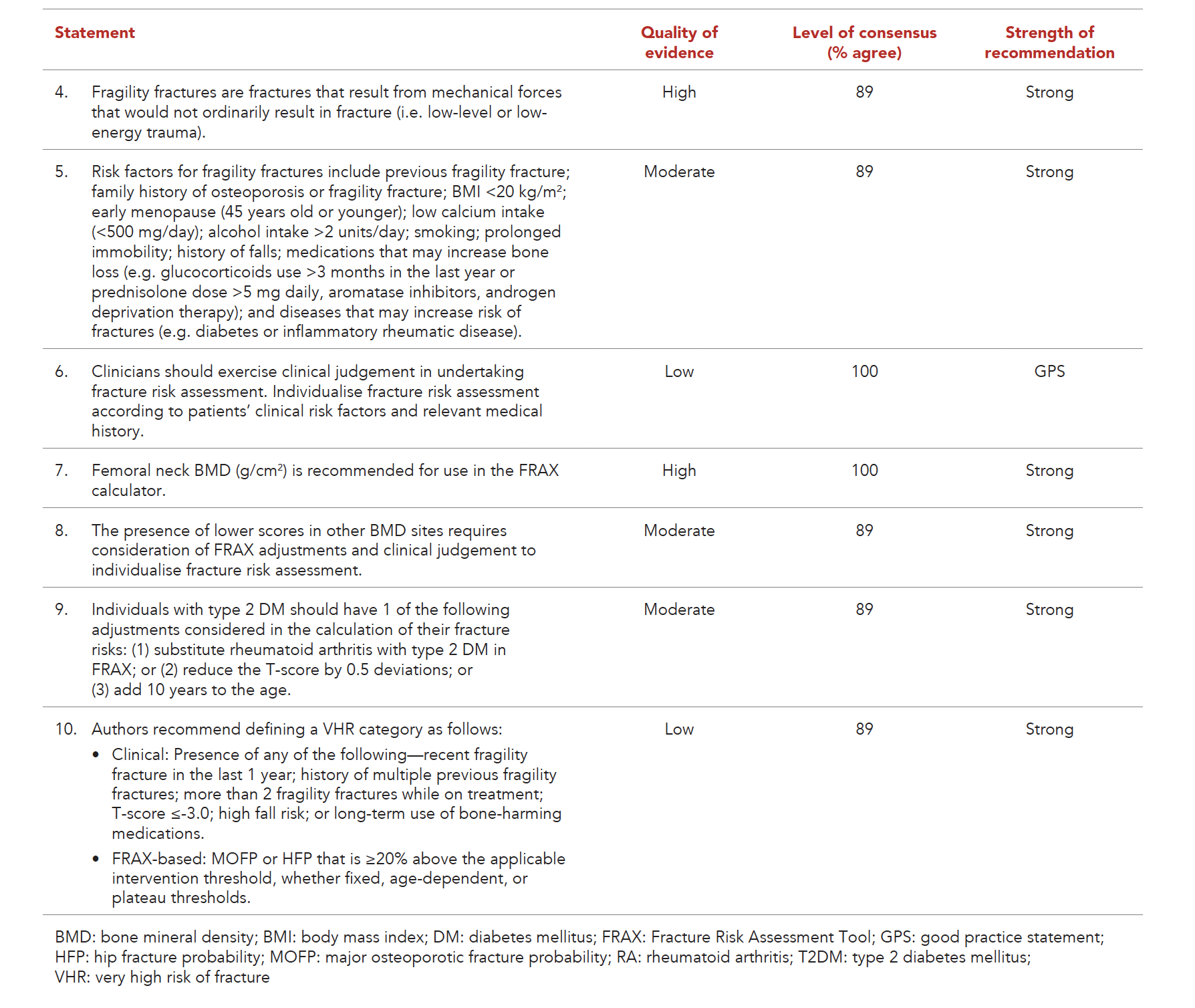
Fragility fractures (i.e. fractures caused by low-energy trauma, which is quantified as a force equal to or less than that of a fall from standing height) can occur in any bone in the body, but their most common locations are in the spine, hip, and wrist. In a 2016 Singapore retrospective observational study, a history of fragility fracture was reported in 7% of women aged 50 and above.21 Likewise, a 2019 Singapore population-based study highlighted the age-adjusted incidence of hip fractures in adults aged 50 and above: 253 and 125 per 100,000 in women and men, respectively.22
The expert panel highlighted the importance of fracture risk stratification and individualised fracture risk assessment, including the use of validated tools such as the Fracture Risk Assessment Tool (FRAX). The FRAX tool estimates an individual’s 10-year risk of hip or major osteoporotic fracture based on age, body mass index, and additional risk factors.21 A randomised controlled trial found that compared with usual care, community-based screening using FRAX and commencement of anti-osteoporosis treatment reduced the incidence of hip fractures in women aged 70–85 years.23
The expert panel underscores that in addition to the parameters included in FRAX, the clinician should also consider other individual patient-related factors, such as mobility, comorbidities, medication use, and lifestyle factors. Type 2 diabetes (T2DM), in particular, affects FRAX calculations, which tend to underestimate fracture risk in T2DM. Therefore, individuals with T2D should have 1 of the following adjustments considered in the calculation of their fracture risks: (1) substitute rheumatoid arthritis with T2DM in FRAX; or (2) reduce the T-score by 0.5 deviations; or (3) add 10 years to the age.
The expert panel also emphasised that the BMD at the femoral neck is the value recommended for use in FRAX, as the FRAX model was developed and validated using femoral neck measurements. Hence, this value provides the most robust and least confounded predictor of hip fracture risk.
Patients with major osteoporotic fracture probability (MOFP) or hip fracture probability (HFP) ≥20% above the applicable interventional threshold are considered at very high risk of fractures (VHR). The presence of a recent fragility fracture in the last 1 year, history of multiple fragility fractures, more than 2 fragility fractures while on treatment, T-scores of ≤-3.0, high fall risk, or chronic medication use that leads to rapid bone loss (such as aromatase inhibitors and high-dose glucocorticoids) are also hallmarks of VHR. Patients with VHR represent a subset that requires more aggressive therapy and follow-up.24
It should be noted that the expert panel was unable to reach consensus on the specific FRAX threshold to recommend in these consensus statements. While 72% agreed to adopt the thresholds recommended by the 2025 ACE Clinical Guidance,12 28% advocated for a hybrid FRAX-based intervention threshold (i.e. fixed thresholds [MOFP ≥14%, HFP ≥ 3.5%] from 50 to 65 years old; age-dependent thresholds from >65 to 74 years old; and plateau thresholds from ≥75 years old, using the 75-year-old values [23.9% MOFP, 9.45% HFP]).25 The former had undergone an ACE cost-effectiveness analysis, and a unified recommendation on the intervention thresholds simplifies decision-making. However, a non-negligible minority raised concerns about the potential for overtreatment in the upper extreme of age. Given the lack of consensus, the expert panel suggests a holistic approach, with FRAX as one factor in the decision to treat.
Initial BMD testing
Table 3. Statements 11–17.
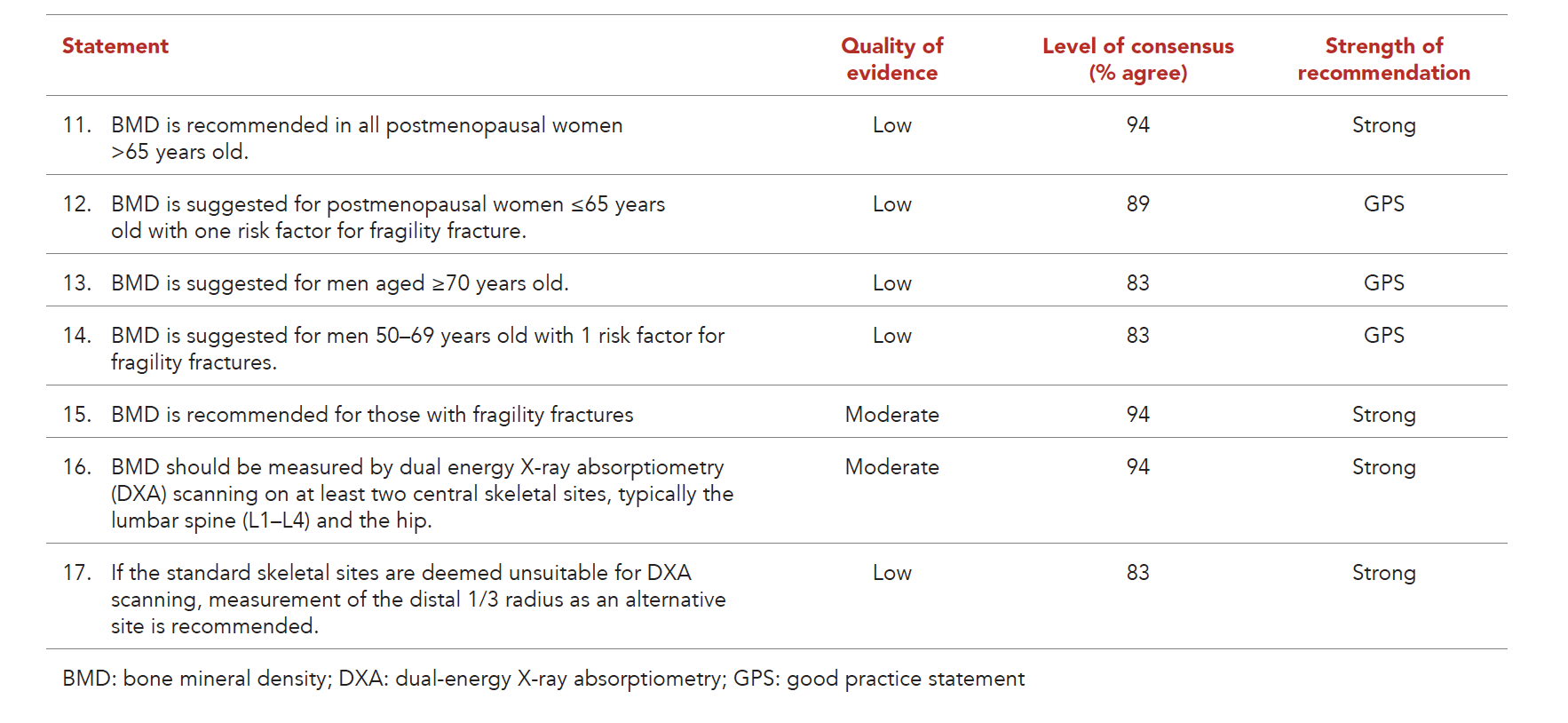
BMD testing by dual-energy x-ray absorptiometry (DXA) remains the gold standard for diagnosing osteoporosis and monitoring treatment.26 A T-score of ≥-1.0 indicates normal bone density. On the other hand, a T-score of <-1.0 to >-2.5 indicates osteopenia, and a T-score of ≤-2.5 indicates osteoporosis.26
The expert panel recommends initial BMD testing for all postmenopausal women aged ≥65 years and for those with fragility fractures. In addition, BMD testing may be suggested for postmenopausal women aged 65 years and below with 1 risk factor for fragility fractures; for men aged 70 years and above; and for men aged 50 to 69 years with 1 risk factor for fragility fractures.
Measuring BMD using DXA at the central skeletal sites (typically L1–L4 and hip femoral neck or total hip) is considered best practice for diagnosing osteoporosis and assessing fracture risk.27 Central sites combine cortical and trabecular bone and correlate strongly with risk of major osteoporotic fractures, particularly hip fractures.
In some circumstances, however, measurements at the lumbar spine or hip may be unreliable or uninterpretable owing to age-related degenerative changes (osteophytes, vertebral compression, or scoliosis), hip prosthesis or other hardware, obesity beyond the limits of table positioning, or other artefacts that distort results. In such situations, the International Society of Clinical Densitometry allows use of the distal one-third radius (forearm) as an alternate site for diagnosis.28
Pharmacotherapy
Table 4. Statements 18–22.
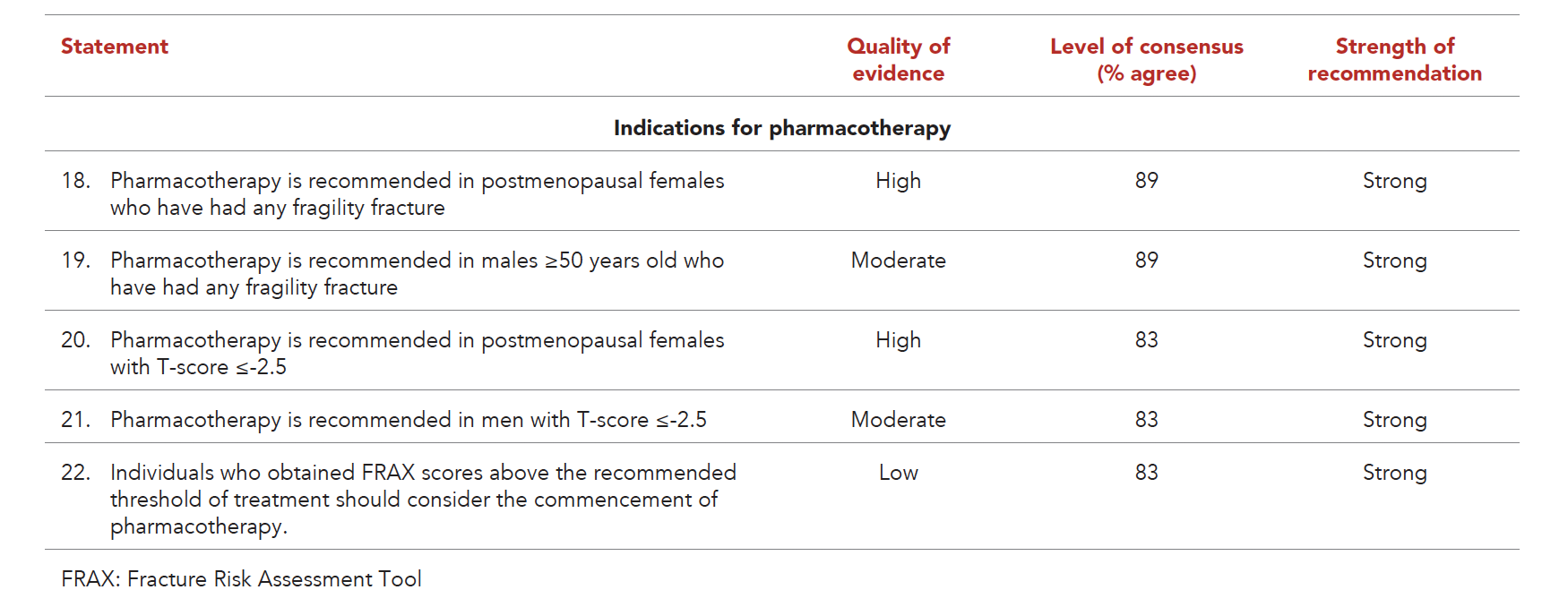
Pharmacological therapy is indicated in individuals with established osteoporosis or those at high risk of fracture. Hence, it is recommended in the following patients: (1) postmenopausal women and men ≥50 years old who have had any fragility fracture; (2) postmenopausal females and men with T-scores of ≤-2.5; and (3) those who obtained a FRAX score above the recommended threshold of treatment.12,29,30 The goal of osteoporosis treatment is to reduce fracture risk by improving bone strength.
Table 5. Statements 23–28.
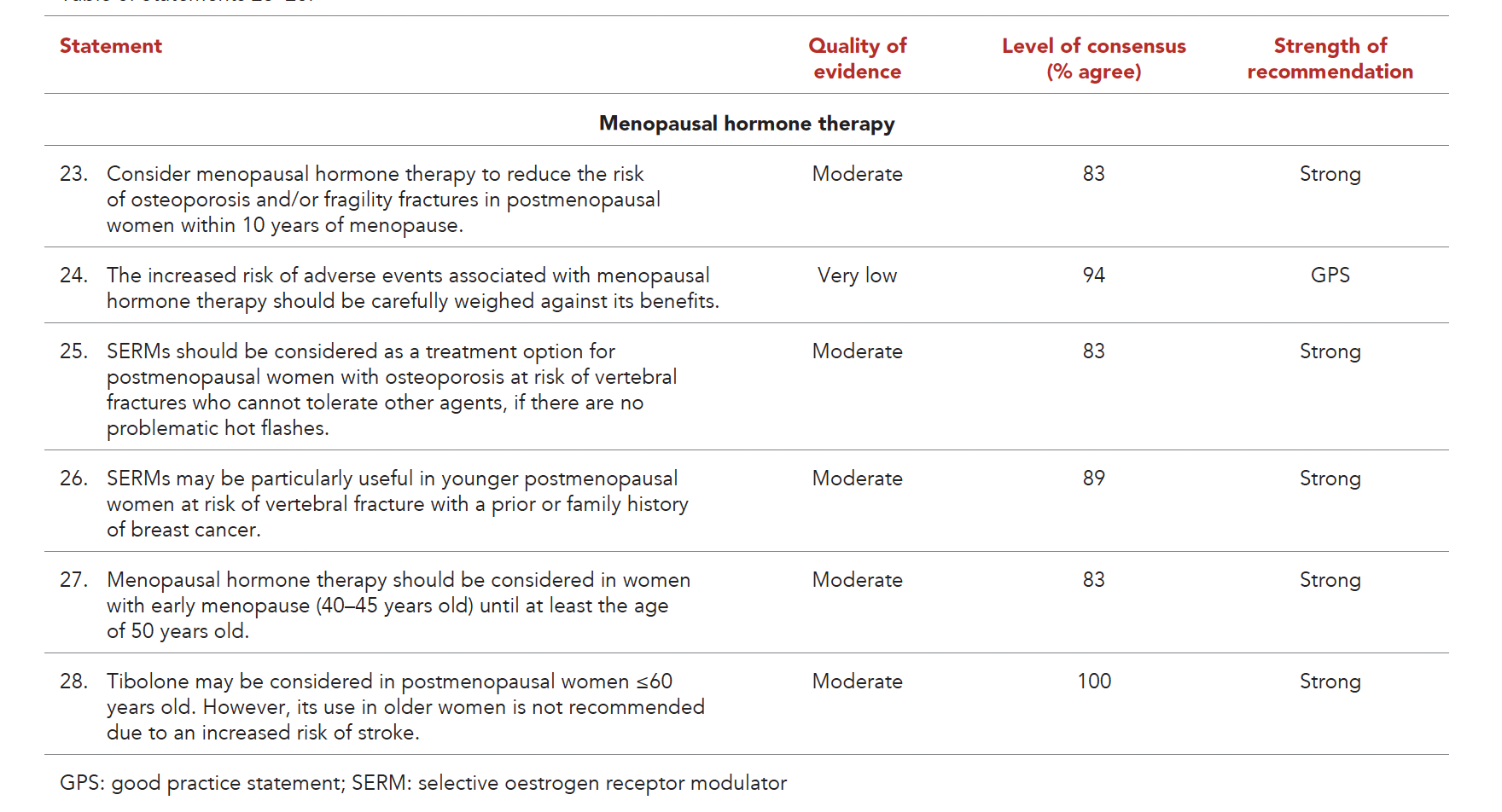
Menopausal hormonal therapy (MHT) should be considered for fracture risk reduction in appropriately selected postmenopausal women, particularly those within 10 years of their final menstrual period.31-33 In this time window, the balance of benefits and harms is most favourable for bone protection, provided contraindications are absent and class individual cardiometabolic and breast cancer risks are assessed. Early menopause (ages 40–45) warrants particular attention. Continuation of MHT up to the average age of natural menopause mitigates skeletal sequelae of prolonged oestrogen deficiency.5 Tibolone may be considered for women ≤60 years old, recognising that use beyond this age is generally discouraged due to increased stroke risk.34 These recommendations are concordant with contemporary regional guidance emphasising individualised risk–benefit appraisal.24,29,35
A selective oestrogen receptor modulator (SERM) is an appropriate therapeutic alternative for postmenopausal women at risk of vertebral fractures who cannot tolerate, or decline, other first-line agents and who do not experience problematic vasomotor symptoms.26,36 Their vertebral fracture efficacy and potential breast cancer risk–modifying profile support targeted use, most notably in younger postmenopausal women with a personal or family history of breast cancer and predominant spinal fragility risk.37,38 As SERMs have limited efficacy for hip and non-vertebral fractures, clinicians should assess their suitability based on the individual patient’s fracture pattern and overall risk profile, consistent with an individualised approach to fracture reduction.36
Table 6. Statements 29–38.
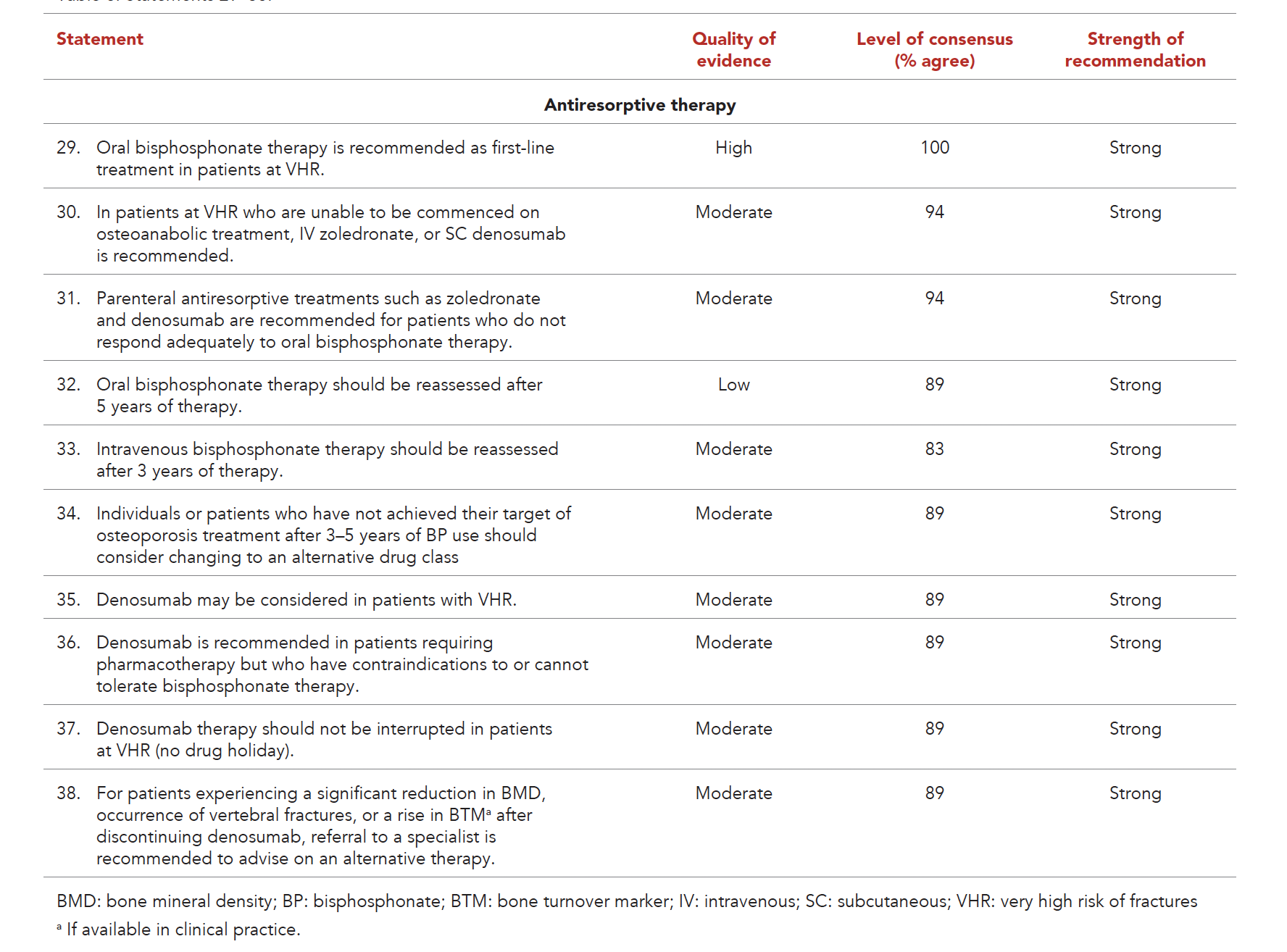
Oral bisphosphonates are recommended as first-line therapy for patients at high fracture risk owing to their robust antifracture efficacy, long-term safety data, accessibility, and cost-effectiveness.12,39 Therapy should be reassessed after 5 years for oral regimens and after 3 years for intravenous zoledronate to determine if the treatment target has been reached or whether continuation of treatment is indicated.40 Furthermore, assessment of the risk and benefit of bisphosphonate treatment should be considered after 3 to 5 years of therapy in view of the higher risk of adverse effects such as atypical femoral fractures (AFF) in the Asian population.41-43 Patients who fail to achieve treatment targets (e.g. those with incident fractures on therapy, clinically significant BMD decline beyond the least significant change, or persistently elevated bone turnover markers) should be transitioned to an alternative therapy, including a different class where adherence to oral bisphosphonate was high.40
Parenteral antiresorptives (zoledronate, denosumab) are appropriate for those with poor oral tolerance, malabsorption, adherence barriers, or sub-optimal response, and are likewise indicated when rapid fracture risk mitigation is required.44-46 Additionally, denosumab is appropriate for patients who require pharmacotherapy but have contraindications to, or intolerance of, bisphosphonates, and may be considered in VHR states when anabolic therapy cannot be initiated.
All non-bisphosphonate therapy, and especially denosumab therapy, should not be interrupted without a transition plan to switch to an anti-resorptive, if necessary, before a final transition to bisphosphonate. Discontinuation of denosumab is associated with a rebound increase in bone turnover, rapid loss of accrued BMD, and, in some cases, multiple spontaneous vertebral fractures.47,48 Where cessation is necessary, timely antiresorptive coverage (preferably with an intravenous bisphosphonate if denosumab therapy has been ongoing for more than 2.5 years) is recommended to attenuate rebound effects. Specialist referral is advisable in the presence of significant BMD decline, incident vertebral fractures, or rising bone turnover markers around discontinuation.
Table 7. Statements 39–42.
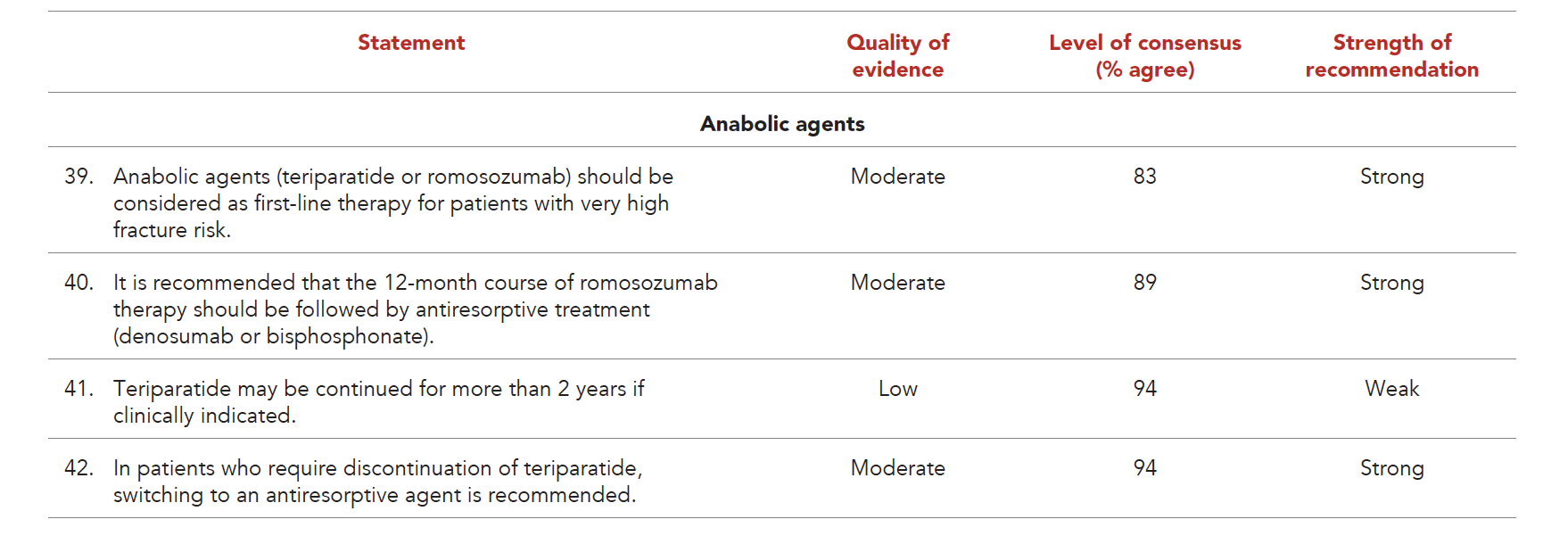
For VHR patients, such as those with recent vertebral fractures, multiple fragility fractures, very low T-scores, or other indicators of imminent risk, anabolic-first strategies (teriparatide or romosozumab) are recommended.44,49,50 Romosozumab is typically administered for 12 months and must be followed immediately by an antiresorptive agent to preserve gains.40 Teriparatide may be extended beyond 24 months when clinically justified, with subsequent antiresorptive consolidation likewise imperative.51 Accumulating evidence indicates that anabolic-then-antiresorptive sequences yield larger BMD gains and greater fracture risk reduction—a finding now echoed in Asia-Pacific consensus and regional guidelines, with supportive real-world data emerging from East Asian cohorts.40,50
Treatment targets and response, monitoring, and follow-up
Table 8. Statements 43–46.
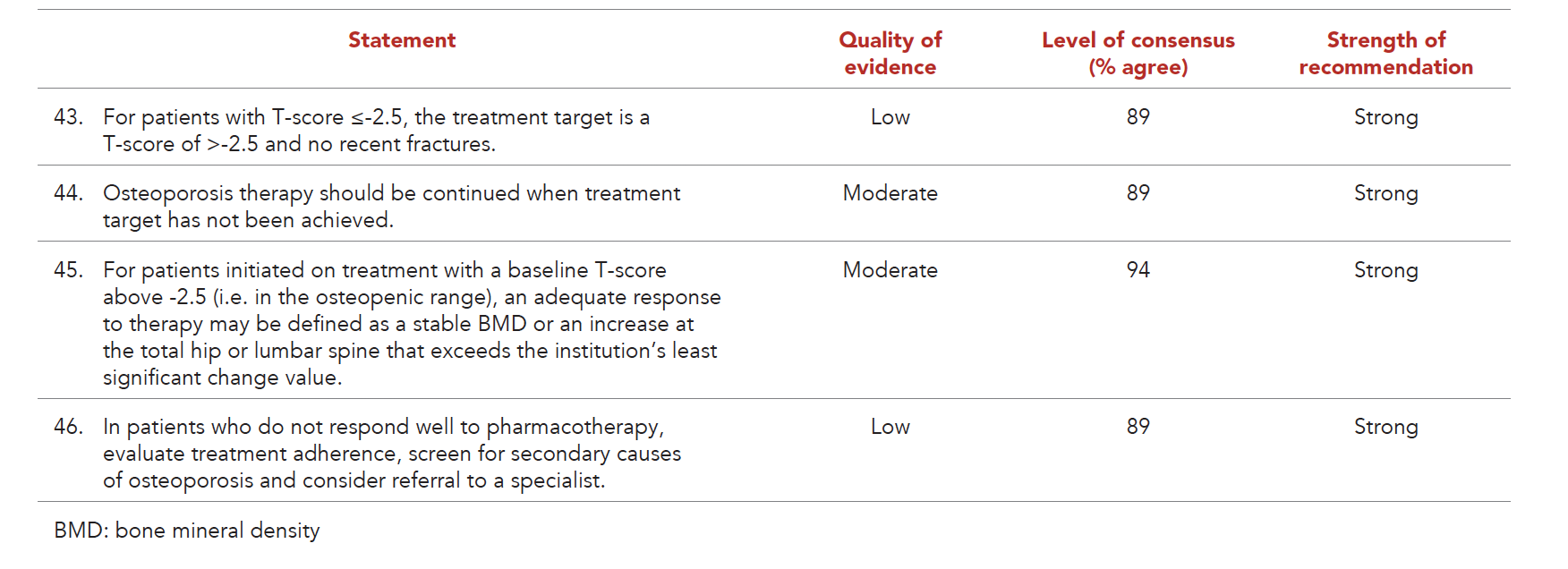
The consensus statements on treatment targets, response assessment, and follow-up monitoring in osteoporosis provide a structured framework for optimising patient care. These recommendations emphasise the dual objectives of reducing fracture risk and ensuring long-term treatment safety, while allowing for individualised strategies based on patient risk profiles and therapeutic responses.
In patients with osteoporosis defined by a T-score ≤-2.5, the primary treatment goal is to achieve a T-score above this high-risk threshold coupled with the absence of incident fragility fractures. This approach is consistent with both Asian and international guidelines that advocate for “treat-to-target” strategies in osteoporosis based on increasing evidence of fracture risk reduction with BMD improvement.51-53 A T-score of >-2.5 should be considered the minimal target; patients with other important risk factors might warrant higher T-score targets (for example, in individuals with a history of fracture, a higher T-score target of -2.0 might be appropriate).51 When patients demonstrate sub-optimal response, manifested by new fragility fractures, clinically significant BMD decline beyond the least significant change (LSC), or persistently elevated bone turnover markers, systematic evaluation is required. This includes confirming treatment adherence, excluding secondary causes of osteoporosis, and, where appropriate, referral to a specialist.12,40
Table 9. Statements 47–51.
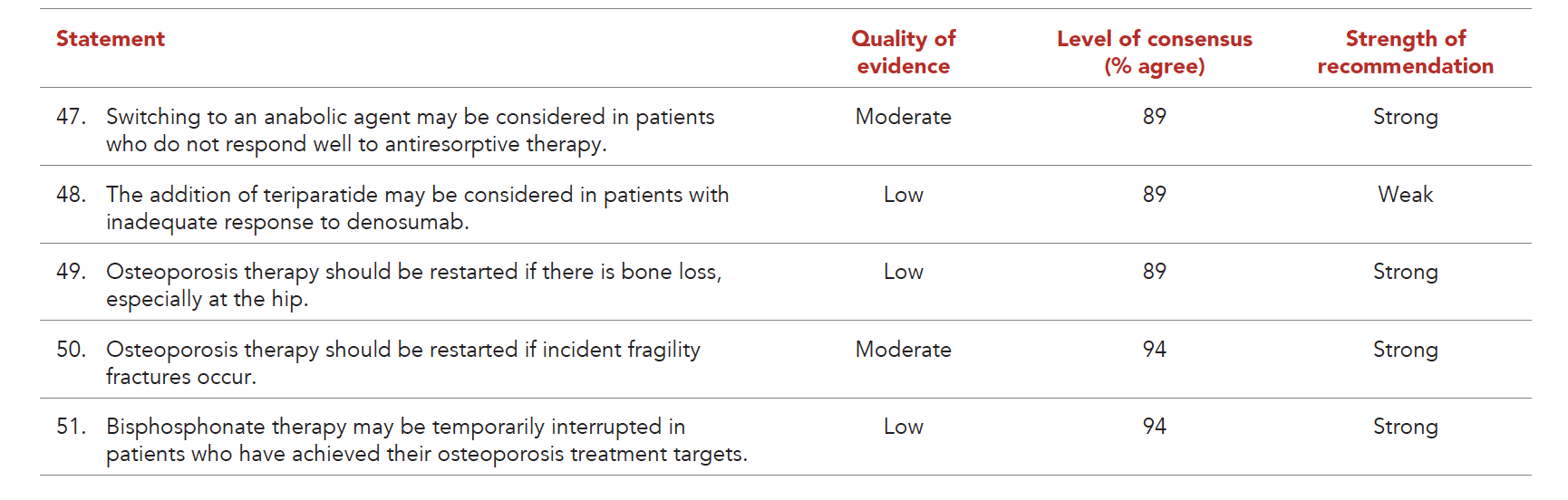
The consensus further provides clear direction on therapeutic sequencing. For patients inadequately responding to oral bisphosphonates, parenteral antiresorptive agents such as zoledronate or denosumab are recommended. These agents offer greater potency, parenteral convenience, and superior adherence, particularly in patients with gastrointestinal intolerance or poor compliance with oral therapy.40
Switching to an anabolic agent, such as teriparatide or romosozumab, may be considered in patients who continue to fracture or exhibit declining BMD despite potent antiresorptive therapy.40,54 Furthermore, in selected cases, adding teriparatide to denosumab may be considered, particularly when bone turnover suppression is inadequate. The DATA and DATA-Switch studies provide evidence for this combination and sequential strategy, underscoring the principle of personalised therapy pathways.55 For patients who achieve treatment targets on bisphosphonates, temporary interruption (commonly termed a “drug holiday”) may be considered if they are no longer at high risk of fractures. This strategy aims to minimise rare, long-term adverse effects, such AFF and MRONJ, while preserving antifracture benefit from bisphosphonate skeletal retention. However, ongoing monitoring is essential, as therapy should be promptly re-initiated in cases of BMD decline, especially at the hip, or following incident fragility fractures. Denosumab, in contrast, should not be interrupted without alternative antiresorptive coverage, given the well-established risk of rebound bone loss and multiple vertebral fractures on discontinuation.56
Table 10. Statements 52–66.
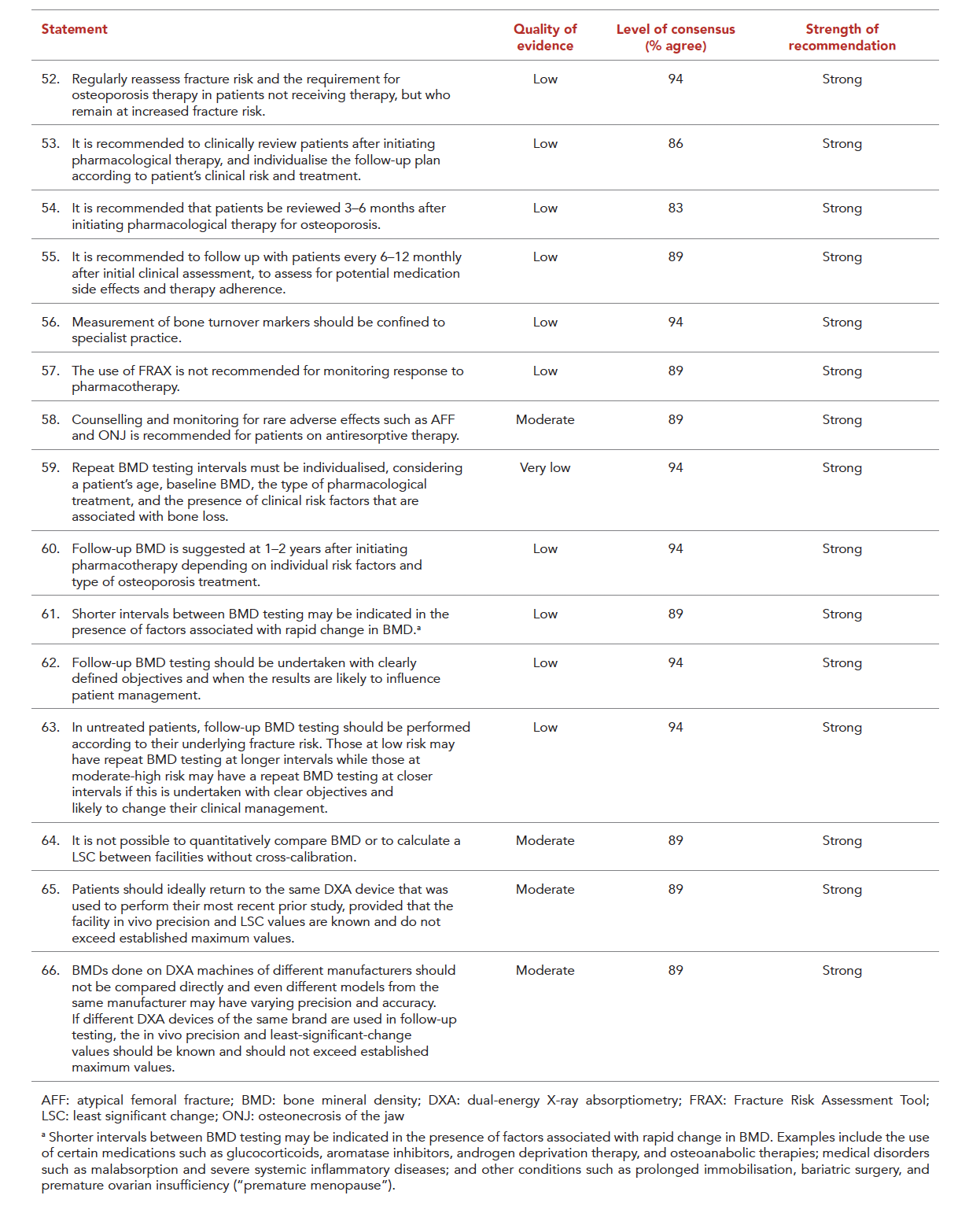
Monitoring is a cornerstone of effective long-term osteoporosis management. The consensus recommends that patients undergo a clinical review within 3–6 months of treatment initiation, followed by reassessment every 6–12 months to evaluate treatment adherence, emerging adverse effects, and evolving fracture risk. BMD measurement remains central to monitoring. The expert panel emphasises individualising repeat DXA intervals based on age, baseline BMD, treatment type, and fracture risk. A 1–2 year interval is generally appropriate after initiating therapy, with shorter intervals warranted for those at high risk of rapid bone loss, such as patients receiving glucocorticoids or aromatase inhibitors. For untreated patients, testing frequency should reflect baseline fracture risk, with longer intervals in low-risk patients and closer monitoring in moderate-to-high-risk individuals if the results would alter clinical management. Importantly, follow-up BMD testing should only be performed when results are likely to influence patient decisions, to avoid unnecessary investigations.57
The expert panel highlights technical limitations in comparing BMD across different DXA devices. Quantitative comparisons or LSC calculations cannot be reliably made between machines unless cross-calibration has been performed.57 Therefore, patients should ideally return to the same DXA device for follow-up measurements, provided that in vivo precision and LSC values are established and meet international standards. Even machines from the same manufacturer may differ in precision, reinforcing the importance of standardised monitoring protocols. However, if returning to the same BMD facility is not possible, the clinician may use their clinical judgement when reviewing the results. When long-term care is transferred to another facility or treating institution, BMD should be performed at the follow-up facility to maintain long-term continuity of care.
The expert panel suggests that the use of bone turnover markers (BTMs) should be confined to specialists familiar with their interpretation and clinical applicability. While BTMs can provide early signals of treatment response and adherence, their variability and lack of standardisation limit their routine clinical use.58 Selective application in specialist centres allows integration with research-grade protocols and expert interpretation, minimising the risk of misclassification in general practice.
The expert panel emphasises counselling of patients regarding preventive measures and monitoring for rare adverse events, particularly AFF and MRONJ, in patients receiving long-term antiresorptive therapy.59,60 Patient education enhances vigilance for prodromal symptoms such as thigh pain in AFF or oral symptoms in MRONJ, enabling earlier intervention.
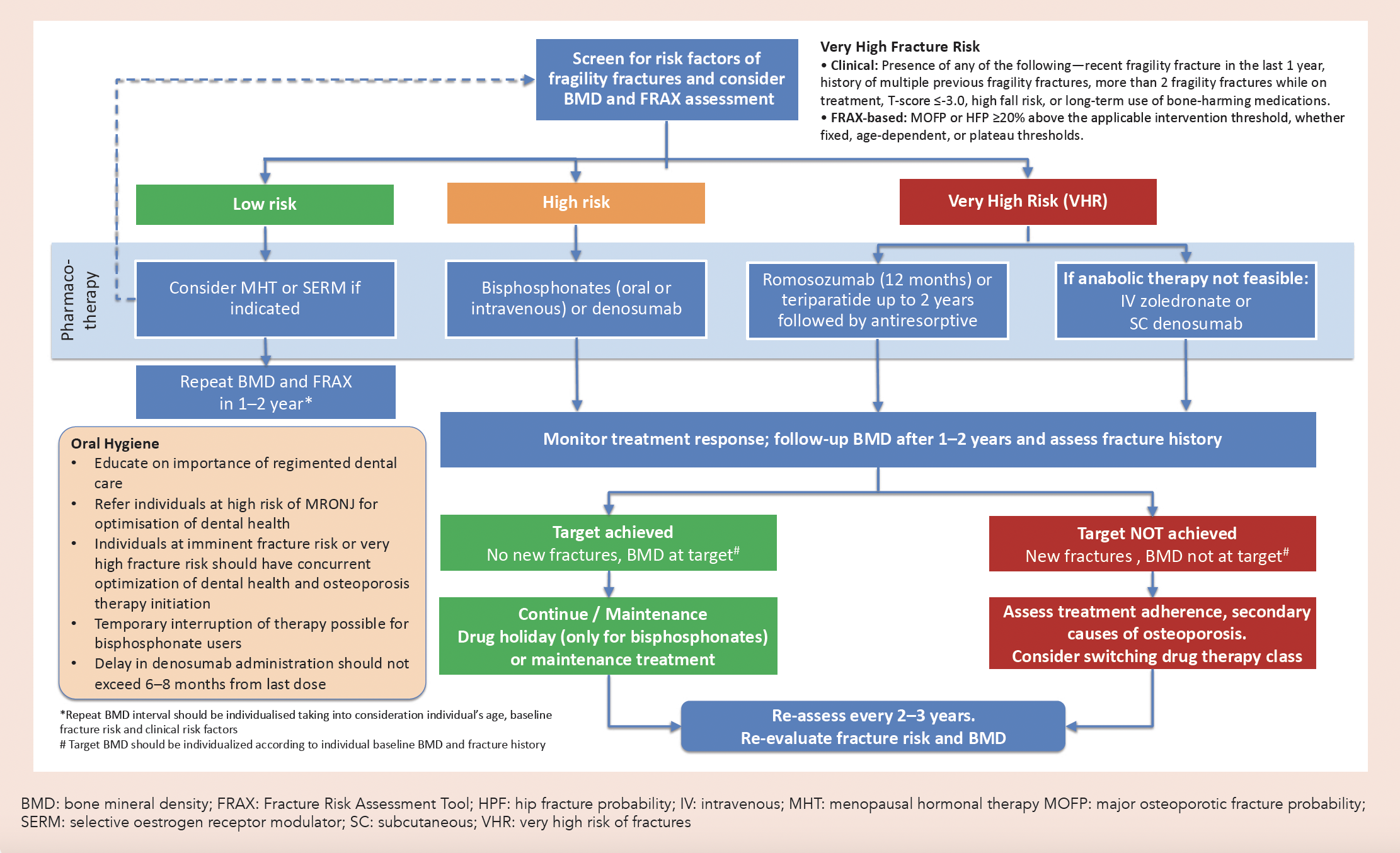
Fig. 1 shows a proposed management algorithm based on fracture risk, including pharmacotherapy and follow-up. The authors underscore that pharmacotherapy should be individualised according to the patient’s specific fracture risk, patient preferences, comorbidities, and the safety profile of the various medications.
Fig. 1. Proposed management algorithm based on fracture risk, including pharmacotherapy and follow-up.
Medication-related osteonecrosis of the jaw (MRONJ)
Table 11. Statements 67–73.
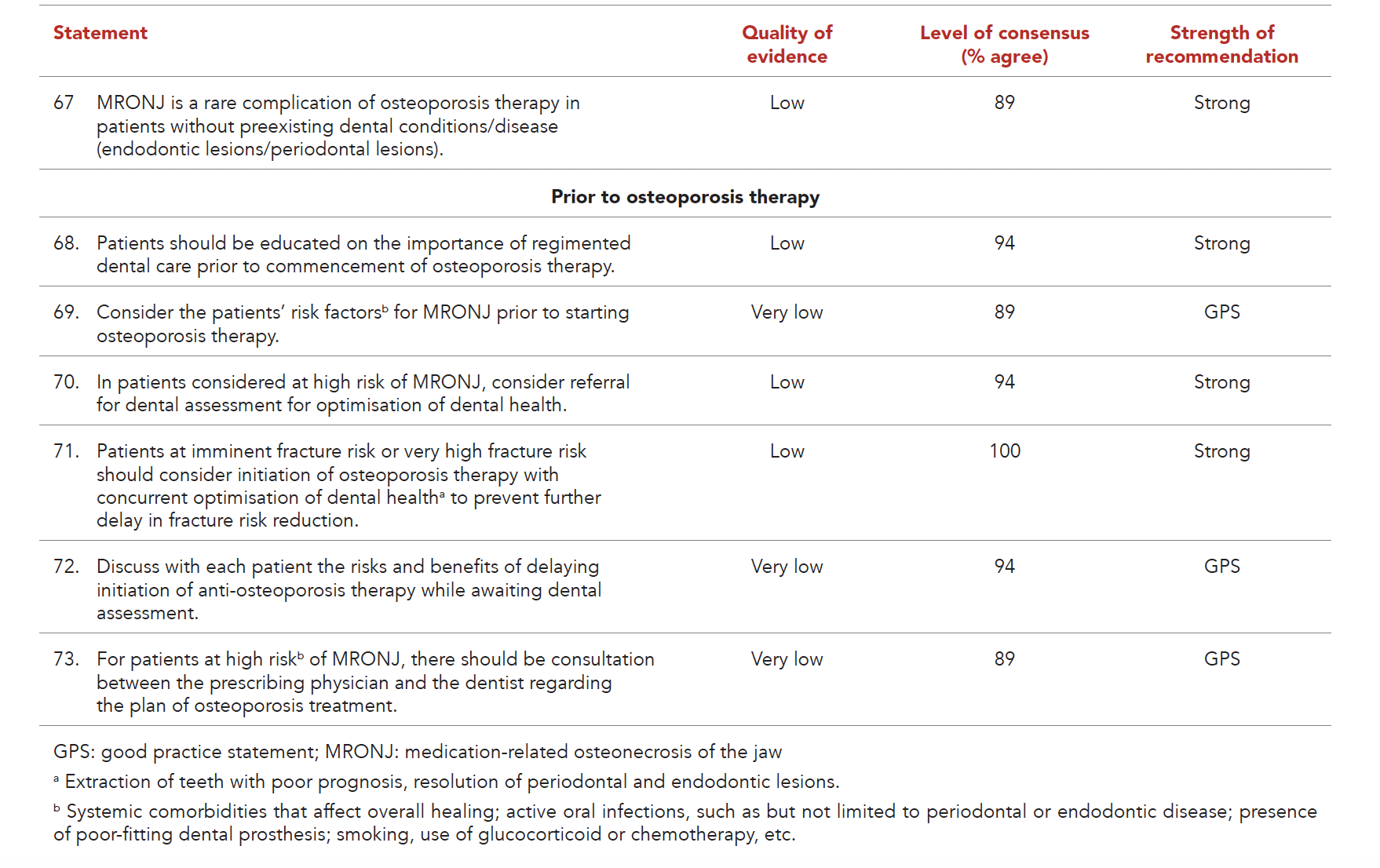
MRONJ is an uncommon but clinically significant adverse event of antiresorptive therapy.61 The consensus statements on MRONJ balance the prevention of oral complications with uninterrupted fracture risk reduction, an approach consistent with Singapore and international guidance.12,60
Before antiresorptives are initiated, patients should undergo a structured dental risk assessment by the primary physician, receive oral hygiene education on tooth brushing and flossing, and have active dental disease treated. Extractions of non-restorable teeth and prosthesis adjustment should be completed where feasible.60 Importantly, treatment for those at very high fracture risk should not be unduly delayed. Dental optimisation in non-cancer patients can proceed in parallel to avoid harm from deferring pharmacotherapy, reflecting recommendations from the ACE Clinical Guidance (2025) and the 2022 American Association of Oral and Maxillofacial Surgeons’ (AAOMS) Position Paper on MRONJ.12,60
Table 12. Statements 74–80.
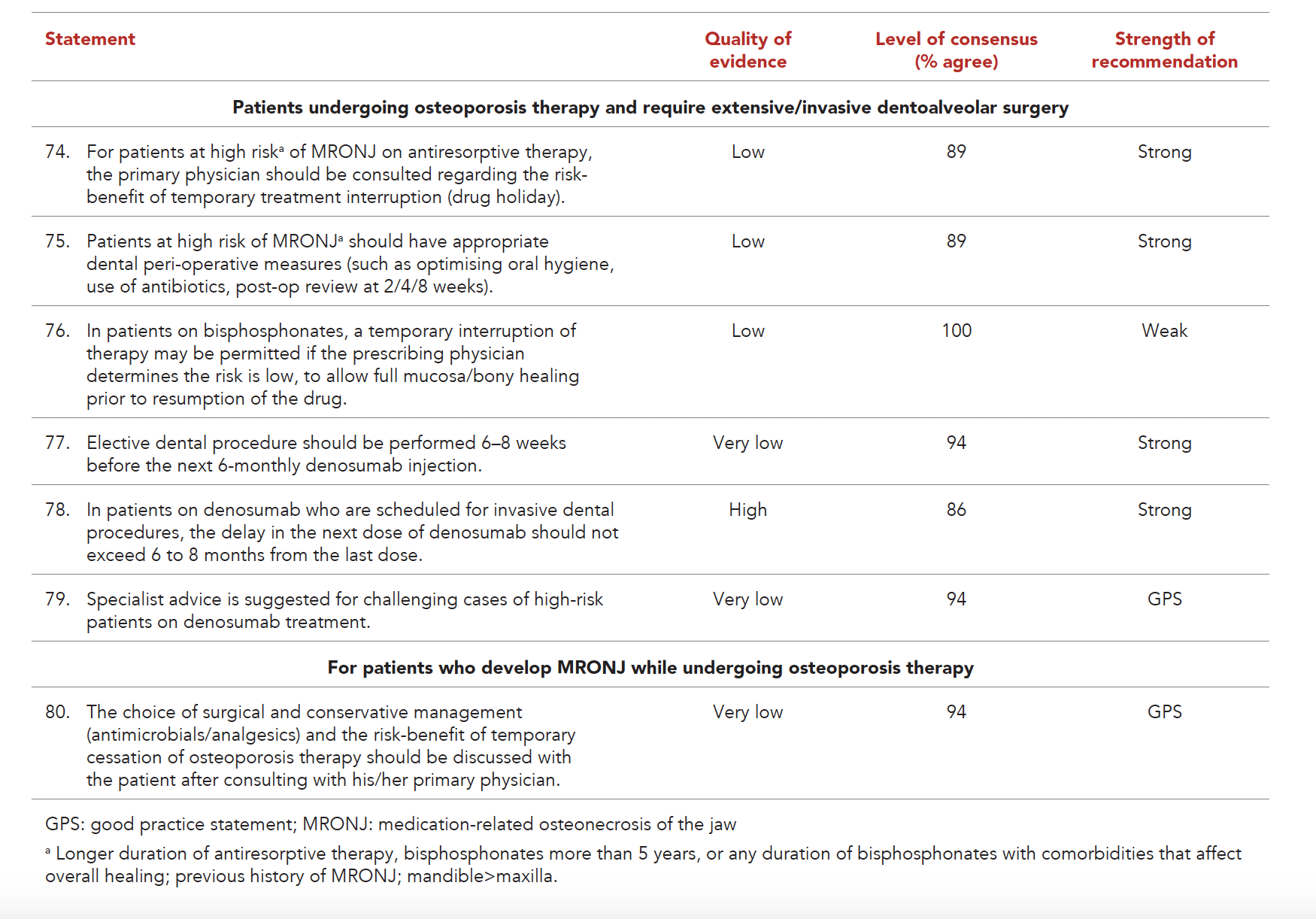
When invasive dental procedures are required during therapy, multidisciplinary planning is essential. For bisphosphonates, routine “drug holidays” are not supported by current evidence. A 2022 systematic review and meta-analysis and a 2025 update both found no significant reduction in MRONJ with temporary interruption versus continuation, supporting an individualised approach to drug holidays in individuals on bisphosphonates undergoing major dental procedures.62,63
Denosumab warrants particular care because of the risk of rebound bone turnover and multiple vertebral fractures with delayed doses. Guidance recommends scheduling elective procedures 6–8 weeks before the next 6-monthly denosumab injection. Treatment should then be resumed once mucosal healing is established. Denosumab administration should not be delayed beyond 6–8 months from the last dose.46,64
If MRONJ occurs, management should be individualised and stage-based, and the choice of surgical and conservative management, as well as the risk-benefit of temporarily ceasing osteoporosis therapy, should be discussed with the patient after consulting with his/her primary physician. Early disease often responds to conservative care (analgesics, antimicrobial rinses, short courses of antibiotics), whereas advanced lesions may require surgical intervention. The AAOMS 2022 update and regional statements endorse this tiered approach, and emphasise that any suspension of antiresorptives must weigh the rare but serious risk of MRONJ against the substantially higher risk of osteoporotic fractures with treatment interruption.60,64
Taken together, the consensus underscores integrated care, including proactive dental optimisation before or alongside osteoporosis treatment; careful peri-operative timing to avoid extended treatment gaps; and stage-appropriate management when lesions arise. This approach aligns practice in Singapore with current evidence while prioritising fracture prevention, which carries a far greater burden than MRONJ in osteoporosis populations.
Limitations
While this 2025 expert consensus provides a comprehensive framework for managing osteoporosis in Singapore, it also has limitations. Due to the limited availability of clinical trials in Singapore regarding pharmacological approaches and fracture prevention related to osteoporosis, most consensus statements are based on current international evidence and studies conducted predominantly in white postmenopausal female populations. Likewise, the efficacy and safety of therapeutic interventions within the Singapore population may vary, despite strong international clinical evidence, due to variations in genetic profiles, diet, lifestyle patterns, and the presence and severity of comorbidities.
Moreover, not all statements have reached consensus, such as FRAX-based intervention thresholds; hence, recommendations are augmented by clinical expert opinion and judgment rather than unanimous consensus, emphasising the importance of further validation studies within Singapore. These consensus statements were also developed with consideration of evidence-based best treatment practices globally; their implementation in the Singapore population may be limited by resource availability and healthcare reimbursement practices. Further studies and evidence are required to fully assess the cost-effectiveness of these recommended statements to ascertain their clinical application in the Singapore population. As evidence continues to evolve in the field of osteoporosis management, these statements will require updates in due time and may not always be applicable as new trials and evidence emerge.
Conclusions
The consensus statements presented in this paper aim to guide clinicians using the most up-to-date evidence and collective expert opinion and to assist Singapore clinicians in implementing best practices. This reflects a maturing landscape in osteoporosis care, moving from reactive fracture prevention toward proactive disease modification and long-term bone health preservation. Effective implementation requires not just clinician awareness but also health system-level efforts, such as improving access to DXA scanning, embedding osteoporosis screening within primary care workflows, and integrating fracture services in hospitals, all of which are critical for translating consensus into practice. Cost-effectiveness, patient adherence, and equitable access across socioeconomic strata remain challenges that must be addressed in parallel. Public health messaging and patient education on bone health, nutrition, fall prevention, and medication safety will also be essential to ensure long-term impact. Further work is also needed to validate intervention thresholds and to clarify long-term sequencing of anabolic and antiresorptive agents. Finally, these recommended consensus statements do not intend to replace current guidelines, but rather to augment clinical decision-making and develop an individualised, patient-centred management approach according to the patient’s demographics, clinical characteristics, and preferences.
Supplementary Fig. S1. OSTA for risk assessment in postmenopausal women.
Acknowledgements
The authors acknowledge Dr Ivan Olegario for medical writing and editorial assistance based on the authors’ input and direction.
References
- Chandran M, Brind’Amour K, Fujiwara S, et al. Prevalence of osteoporosis and incidence of related fractures in developed economies in the Asia Pacific region: a systematic review. Osteoporosis Int 2023;34:1037-53.
- Cheung CL, Ang SB, Chadha M, et al. An updated hip fracture projection in Asia: The Asian Federation of Osteoporosis Societies study. Osteoporos Sarcopenia 2018;4:16-21.
- Yong EL, Ganesan G, Kramer MS, et al. Hip fractures in Singapore: ethnic differences and temporal trends in the new millennium. Osteoporosis Int 2019;30:879-86.
- Yong EL, Ganesan G, Kramer MS, et al. Risk Factors and Trends Associated With Mortality Among Adults With Hip Fracture in Singapore. JAMA Netw Open 2020;3:e1919706.
- Yong EL, Logan S. Menopausal osteoporosis: screening, prevention and treatment. Singapore Med J 2021;62:159-66.
- Lim VW, Li J, Gong Y, et al. Serum free estradiol and estrogen receptor-α mediated activity are related to decreased incident hip fractures in older women. Bone 2012;50:1311-6.
- Thu WPP, Logan SJS, Cauley JA, et al. Ethnic differences in bone mineral density among midlife women in a multi-ethnic Southeast Asian cohort. Arch Osteoporos 2019;14:80.
- Tng HY, Thu WPP, Logan S, et al. Sleep apnea and femoral neck BMD among Singaporean mid-life women. Arch Osteoporos 2018;13:19.
- Logan S, Thu WPP, Lay WK, et al. Chronic joint pain and handgrip strength correlates with osteoporosis in mid-life women: a Singaporean cohort. Osteoporos Int 2017;28:2633-43.
- Yong EL, Wong BWX, Tan DYZ. Beyond BMI: The Janus-like effect of muscle versus fat on midlife women’s health. Ann Acad Med Singap 2025;54:125-8.
- Choong DS, Tan NC, Koh YLE, et al. Osteoporosis management by primary care physicians in Singapore: a survey on osteoporosis guidelines utilisation and barriers to care. Arch Osteoporos 2023;18:72. Erratum in: Arch Osteoporos 2023 21;18:84.
- Agency for Care Effectiveness (ACE). Osteoporosis: diagnosis and management. ACE Clinical Guidance (ACG), Ministry of Health, Singapore, 2025. go.gov.sg/acg-osteoporosis. Accessed 15 August 2025.
- Balshem H, Helfand M, Schünemann HJ, et al. GRADE guidelines: 3. Rating the quality of evidence. J Clin Epidemiol 2011;64:401-6.
- Hasson F, Keeney S, McKenna H. Revisiting the Delphi technique – Research thinking and practice: A discussion paper. Int J Nurs Stud 2025;168:105119.
- Koh LK, Sedrine WB, Torralba TP, et al. A simple tool to identify Asian women at increased risk of osteoporosis. Osteoporos Int 2001;12:699-705.
- Fan Z, Li X, Zhang X, et al. Comparison of OSTA, FRAX and BMI for Predicting Postmenopausal Osteoporosis in a Han Population in Beijing: A Cross Sectional Study. Clin Interv Aging 2020;15:1171-80.
- Cherian KE, Kapoor N, Shetty S, et al. Evaluation of Different Screening Tools for Predicting Femoral Neck Osteoporosis in Rural South Indian Postmenopausal Women. J Clin Densitom 2018;21:119-24.
- Nayak S, Edwards DL, Saleh AA, et al. Systematic review and meta-analysis of the performance of clinical risk assessment instruments for screening for osteoporosis or low bone density. Osteoporos Int 2015;26:1543-54.
- Cheung CL, Li GH, Li HL, et al. Development and validation of the Chinese osteoporosis screening algorithm (COSA) in identification of people with high risk of osteoporosis. Osteoporos Sarcopenia 2023;9:8-13.
- Chandran M, Chin YA, Choo KS, et al. Comparison of the Osteoporosis Self-Assessment Tool for Asians and the fracture risk assessment tool – FRAX to identify densitometric defined osteoporosis: A discriminatory value analysis in a multi-ethnic female population in Southeast Asia. Osteoporos Sarcopenia 2020;6:53-8.
- Kanis JA, Chandran M, Chionh SB, et al. Use of age-dependent FRAX-based intervention thresholds for Singapore. Arch Osteoporos 2020;15:104.
- Yong EL, Ganesan G, Kramer MS, et al. Hip fractures in Singapore: ethnic differences and temporal trends in the new millennium. Osteoporos Int 2019;30:879-86.
- Shepstone L, Lenaghan E, Cooper C, et al. Screening in the community to reduce fractures in older women (SCOOP): a randomised controlled trial. Lancet 2018;391:741-7.
- Wong P, Chen W, Ewald D, et al. 2024 Royal Australian College of General Practitioners and Healthy Bones Australia guideline for osteoporosis management and fracture prevention in postmenopausal women and men over 50 years of age. Med J Australia 2025;222:472-80.
- Chandran M, Ganesan G, Tan KB, et al. Cost-effectiveness of FRAX®-based intervention thresholds for management of osteoporosis in Singaporean women. Osteoporos Int 2021;32:133-44.
- Camacho PM, Petak SM, Binkley N, et al. American Association of Clinical Endocrinologists/American College of Endocrinology Clinical Practice Guidelines for the Diagnosis and Treatment of Postmenopausal Osteoporosis— 2020 Update Executive Summary. Endocrine Practice 2020;26:564-70.
- Kanis JA, Cooper C, Rizzoli R, et al. European guidance for the diagnosis and management of osteoporosis in postmenopausal women. Osteoporos Int 2018;30:3-44.
- International Society of Clinical Densitometry. 2023 ISCD Official Positions Adult. https://iscd.org/official-positions-2023/. Accessed 2 July 2025.
- Yong EL, Logan S. Menopausal osteoporosis: screening, prevention and treatment. Singapore Med J 2021;62:159-66.
- Huang CF, Ho CJ, Lin SY, et al. Asia-Pacific consensus for the management of osteoporosis in men. Osteoporos Int Jul 2025;36:1105-14.
- The 2022 Hormone Therapy Position Statement of The North American Menopause Society Advisory Panel. The 2022 hormone therapy position statement of The North American Menopause Society. Menopause 2022;29:767-94.
- Ang SB, Sugianto SRS, Tan FCJH, et al. Asia-Pacific Menopause Federation Consensus Statement on the Management of Menopause 2024. J Menopausal Med 2025;31:3.
- de Villiers TJ, Goldstein SR. Update on bone health: the International Menopause Society White Paper 2021. Climacteric 2021;24:498-504.
- Formoso G, Perrone E, Maltoni S, et al. Short-term and long-term effects of tibolone in postmenopausal women. Cochrane Database Syst Rev 2016;10:CD008536.
- Lorentzon M, Johansson H, Harvey NC, et al. Menopausal hormone therapy reduces the risk of fracture regardless of falls risk or baseline FRAX probability—results from the Women’s Health Initiative hormone therapy trials. Osteoporos Int 2022;33(:2297-305.
- LeBoff MS, Greenspan SL, Insogna KL, et al. The clinician’s guide to prevention and treatment of osteoporosis. Osteoporos Int 2022;33:2049-102.
- Vogel VG, Costantino JP, Wickerham DL, et al. Effects of tamoxifen vs raloxifene on the risk of developing invasive breast cancer and other disease outcomes: the NSABP Study of Tamoxifen and Raloxifene (STAR) P-2 trial. JAMA 2006;295:2727-41. Erratum in: JAMA 2006;296:2926. Erratum in: JAMA 2007 5;298:973.
- Martino S, Cauley JA, Barrett-Connor E, et al. Continuing Outcomes Relevant to Evista: Breast Cancer Incidence in Postmenopausal Osteoporotic Women in a Randomized Trial of Raloxifene. J Natl Cancer Inst 2004;96:1751-61.
- MacLean C, Newberry S, Maglione M, et al. Systematic Review: Comparative Effectiveness of Treatments to Prevent Fractures in Men and Women with Low Bone Density or Osteoporosis. Ann Intern Med 2008;148:197-213.
- Tai TW, Chen HY, Shih CA, et al. Asia-Pacific consensus on long-term and sequential therapy for osteoporosis. Osteoporos Sarcopenia 2024;10:3-10.
- Black DM, Geiger EJ, Eastell R, et al. Atypical Femur Fracture Risk versus Fragility Fracture Prevention with Bisphosphonates. N Engl J Med 2020;383:743-53.
- Gani L, Anthony N, Dacay L, et al. Incidence of Atypical Femoral Fracture and Its Mortality in a Single Center in Singapore. JBMR Plus 2021;5:e10515.
- Nguyen HH, Lakhani A, Shore-Lorenti C, et al. Asian ethnicity is associated with atypical femur fractures in an Australian population study. Bone 2020;135:115319.
- Davis S, Simpson E, Hamilton J, et al. Denosumab, raloxifene, romosozumab and teriparatide to prevent osteoporotic fragility fractures: a systematic review and economic evaluation. Health Technol Assess 2020;24:1-314.
- Bone HG, Bolognese MA, Yuen CK, et al. Effects of Denosumab on Bone Mineral Density and Bone Turnover in Postmenopausal Women. J Clin Endocrinol Metab 2008;93:2149-57.
- Lamy O, Everts-Graber J, Rodriguez EG. Denosumab for osteoporosis treatment: when, how, for whom, and for how long. A pragmatical approach. Aging Clin Exp Res 2025;37:70.
- Kumar S, Wang M, Kim AS, et al. Denosumab discontinuation in the clinic: implications of rebound bone turnover and emerging strategies to prevent bone loss and fractures. J Bone Miner Res 2025;40:1017-34.
- Tay WL, Tay D. Discontinuing Denosumab: Can It Be Done Safely? A Review of the Literature. Endocrinol Metab (Seoul) 2022;37:183-194.
- Cosman F, Crittenden DB, Adachi JD, et al. Romosozumab Treatment in Postmenopausal Women with Osteoporosis. N Engl J Med 2016;375:1532-43.
- Park JY, Park HM, Song JY, et al. Real-World Evaluation of 12-Month Romosozumab Treatment in Korean Women with Severe Osteoporosis: Potential Synergy with Hormone Therapy. J Clin Med 2025;14:2958.
- Cosman F, Lewiecki EM, Eastell R, et al. Goal-directed osteoporosis treatment: ASBMR/BHOF task force position statement 2024. J Bone Miner Res 2024;39:1393-405.
- Kanis JA, Harvey NC, McCloskey E, et al. Algorithm for the management of patients at low, high and very high risk of osteoporotic fractures. Osteoporos Int 2019;31:1-12.
- Black DM, Rosen CJ. Postmenopausal Osteoporosis. N Engl J Med 2016;374:254-62.
- Eastell R, Rosen CJ, Black DM, et al. Pharmacological Management of Osteoporosis in Postmenopausal Women: An Endocrine Society Clinical Practice Guideline. J Clin Endocrinol Metab 2019;104:1595-622.
- Leder BZ, Tsai JN, Uihlein AV, et al. Denosumab and teriparatide transitions in postmenopausal osteoporosis (the DATA-Switch study): extension of a randomised controlled trial. Lancet 2015;386:1147-55.
- Cummings SR, Ferrari S, Eastell R, et al. Vertebral Fractures After Discontinuation of Denosumab: A Post Hoc Analysis of the Randomized Placebo-Controlled FREEDOM Trial and Its Extension. J Bone Miner Res 2017;33:190-8.
- Gani LU, Sritara C, Blank RD, et al. Follow-up Bone Mineral Density Testing: 2023 Official Positions of the International Society for Clinical Densitometry. J Clin Densitom 2024;27:101440.
- Vasikaran S, Eastell R, Bruyère O, et al. Markers of bone turnover for the prediction of fracture risk and monitoring of osteoporosis treatment: a need for international reference standards. Osteoporos Int 2010;22:391-420.
- Shane E, Burr D, Abrahamsen B, et al. Atypical subtronchanteric and diaphyseal femoral fractures: second report of a task force of the American Society for Bone and Mineral Research. J Bone Miner Res 2014;29:1-23.
- Ruggiero SL, Dodson TB, Aghaloo T, et al. American Association of Oral and Maxillofacial Surgeons’ Position Paper on Medication-Related Osteonecrosis of the Jaws—2022 Update. J Oral Maxillofac Surg 2022;80:920-43.
- Dodson TB. The Frequency of Medication-related Osteonecrosis of the Jaw and its Associated Risk Factors. Oral Maxillofac Surg Clin North Am 2015;27:509-16.
- Aboalela AA, Farook FF, Alqahtani AS, et al. The Effect of Antiresorptive Drug Holidays on Medication-Related Osteonecrosis of the Jaw: A Systematic Review and Meta-Analysis. Cureus 2022;14:e30485.
- Ruksakiet K, Jarusriwanna A, Sadaeng W, et al. Effects of discontinuing different antiresorptive regimens on medication-related osteonecrosis of the jaw in patients undergoing dental procedures: a systematic review and network meta-analysis. EFORT Open Rev 2025;10:258-66.
- Patel N, Seoudi N. Management of Medication-Related Osteonecrosis of the Jaw: An Overview of National and International Guidelines. Br J Oral Maxillofac Surg 2024;62:899-908.
This research did not involve the collection of patient data, human participants, or biological samples. All analyses were conducted on publicly available, published literature.
The authors declare they have no affiliations or financial involvement with any commercial organisation with a direct financial interest in the subject or materials discussed in the manuscript.
Dr Linsey Gani, 10 Sinaran Drive, #10-08, Novena Medical Center, Singapore 307506. Email: [email protected]
