

ABSTRACT
Introduction: Enhancing the understanding of mental health of migrant workers (MWs) and migrant domestic workers (MDWs) is both economically and morally important. This study aimed to examine the prevalence and correlates of depressive and anxiety symptoms among MWs and MDWs in Singapore.
Methods: This cross-sectional study recruited 1465 MWs from August 2022 to July 2023, and 1462 MDWs from March 2023 to November 2023 through convenience sampling. Depressive symptoms were assessed using Patient Health Questionnaire-9, whereas anxiety symptoms were evaluated using the Generalized Anxiety Disorder-7. Both scales were dichotomised at a cut-off score of 10. Covariates included in the analysis were sociodemographic characteristics, stress level, insomnia, social support and resilience. Correlates were examined using multivariable logistic regression models.
Results: Among MWs, 0.83% had moderate-to-severe depressive symptoms and 1.25% had mild-to-severe anxiety symptoms. Among MDWs, 4.05% had moderate-to-severe depressive symptoms and 4.23% had moderate-to-severe anxiety symptoms. MWs were more likely to develop anxiety symptoms if they had low resilience (adjusted prevalence ratio [APR] 2.41), and less likely to develop anxiety symptoms if they had high resilience (APR 0.71). MDWs were more likely to develop depressive symptoms if they worked >14 hours per day (APR 1.42), and less likely to develop depressive symptoms if they had high resilience (APR 0.55).
Conclusion: Enhancing resilience among both groups is vital for protection against depressive and anxiety symptoms. The findings also highlight the detrimental effects of overworking on the mental health of MWs and MDWs.
CLINICAL IMPACT
What is New
- This study examined the prevalence of depressive and anxiety symptoms among MWs and MDWs within a large sample.
- The authors also identified significant correlates of depressive and anxiety symptoms, such as having resilience and long working hours.
Clinical Implications
- Enhancing resilience among both groups is essential to protect against depressive and anxiety symptoms.
- Furthermore, the findings underscore the detrimental effects of overworking on the mental health of MWs and MDWs.
Approximately 68.4% of international migrants in the labour force are located in higher-income countries.1 These migrants may be low-to-semi-skilled migrant workers (MWs) and migrant domestic workers (MDWs), who faced limited job opportunities and poverty in their home countries. Although their contributions fuel the economic growth of their host countries, numerous studies have documented the challenges that they face, which include poor living conditions, increased risk of workplace injuries and stigmatisation by locals.2-4
These challenges make them vulnerable to mental health problems, such as depression and anxiety.3,5 A systematic review and meta-analysis of 7 studies on MWs reported the overall prevalence of depression at 38.99% and anxiety at 27.31%.5 Poor mental health outcomes were also associated with various factors, including sociodemographic, psychological, biological, occupational and environmental characteristics.5 As an often overlooked segment of society, coupled with the intangible nature of mental health, MWs’ and MDWs’ mental health may often be neglected. As such, tackling the issue of migrant mental health is pertinent because (1) it is a basic human right,6 and (2) understanding and safeguarding their well-being reinforce the economic and political reputation of the host country.
Singapore is one of the many countries that relies on a migrant workforce to alleviate its shortage of low and semi-skilled labour. Its labour force comprises 1,138,200 semi-skilled MWs.7 Male MWs primarily work in construction, marine shipyards and process sectors, while female MDWs predominantly engage in caregiving and domestic work. With rising societal awareness and interest in humanitarian issues, extensive research on MWs’ and MDWs’ mental health has been conducted in Singapore before and during the COVID-19 pandemic.
For instance, a Singapore-based study among male construction MWs found that 29% had moderate-to-extreme severe depression and 37% had moderate-to-extreme severe anxiety.8 Farwin et al. further showed that among low-wage MWs, the reasons for mental health burden include poor living conditions, fear of deportation, lack of avenues to seek help and difficulty in accessing healthcare services.2 Among MDWs, a study found that 52.5% of them were stressed and 20% felt isolated.9
The massive COVID-19 outbreak among dormitory-residing MWs in 2020 highlighted the overcrowded and poor living conditions, as well as the lack of mental health literacy and mental healthcare support. This led to various schemes such as the Dormitories Transition Scheme and New Dormitory Standards being implemented to improve MWs’ living conditions.10,11 For instance, to enhance livability and maximise space, each room is limited to 12 persons and the spacing between beds is minimally 1 metre.10,11 In November 2020, Singapore’s Ministry of Manpower (MOM) together with government psychologists, the Institute of Mental Health, and non-governmental organisations such as the Migrant Workers’ Centre and HealthServe, set up the Project Dawn taskforce and launched a multi-year framework to raise mental health literacy, build a support ecosystem for MWs and improve access to care services.12 Since April 2022, MOM has also established a primary care system dedicated to providing accessible and affordable primary care to MWs, including mental healthcare.13
For MDWs, employers are required to provide 1 mandatory rest day each month that cannot be compensated from 1 January 2023 onwards.14 The Care Sisters group was also formed to train MDWs to provide mental well-being support to fellow MDWs who may be facing issues.14 It is against this backdrop that this study was conducted to examine the prevalence and correlates of depression and anxiety among MWs and MDWs.
METHODS
This mixed-method study design comprised 2 phases: qualitative and quantitative. This analysis only examined the quantitative aspect of the study, which had a cross-sectional study design, and investigated the prevalence and correlates of psychological distress among MWs and MDWs.
The study sample included the 3 largest nationalities among MWs, namely Indian, Chinese and Bangladeshi, as well as major nationalities among MDWs, namely Filipino, Indonesians and Burmese. For MWs, they were required to be employed in the construction, marine shipyard or process sectors at the time of participation. For MDWs, they had to be working in Singapore at the time of participant recruitment. Additionally, participants had to be of legal working age (MW ≥18 years and MDW ≥23 years). The questionnaire was available in English and the participants’ native languages (Tamil, Mandarin, Bengali, Tagalog, Bahasa Indonesia and Burmese) to ensure they could respond in the language they best understood. Forward translation of questionnaires was performed by a certified translation firm. The research team also vetted the questionnaires to ensure that the concepts were conveyed appropriately.
The sample size was calculated using descriptive statistics from a validation study conducted in Macau on Filipino MDWs.15 A minimum size of 487 for each nationality was sufficient to estimate the true mean value within ±7% at a 95% confidence level, with a power of 80% and a probability of the confidence interval width being 0.80.16,17
The MW sample was obtained through convenience sampling at designated dormitories and recreation centers for MWs (n=1465) and at various locations where MDWs gathered on weekends (n=1462). MOM facilitated access to participants by connecting the research team with recreational centres and construction sites management team. For MOM recreational centres, the research term members briefed the MWs on the survey and guided interested MWs to the research stations. For construction sites, the company’s person-in-charge helped to direct interested MWs to the research stations. The study was conducted by recruiting all the MWs first (from August 2022 to July 2023) before proceeding to recruit all the MDWs (from March 2023 to November 2023). There was no movement restriction due to COVID-19 during the study period.
The interviewers were experienced researchers who were involved in several large epidemiology surveys and could speak the native languages of the participants. Moreover, the study recruited volunteers proficient in Bengali and Burmese, who were also then trained to administer the questionnaire. As participants’ literacy levels varied, researchers explained the meaning of certain words to participants in simpler terms if they expressed difficulty in understanding.
Before the interview, all participants were assured that the data were anonymised, and that their participation in the survey would not affect their employment or the services they received (e.g. healthcare, company insurance). To provide further reassurance, verbal informed consent was obtained from them instead of written consent. All participants were given a help-seeking brochure and received SGD25 cash reimbursement. If participants reported distress, the study had follow-up protocols to provide immediate support and access to mental healthcare. This study was approved by the National University of Singapore Institutional Review Board (2021-724).
Outcome: Depressive and anxiety symptoms
The outcomes of this analysis were the assessment of depressive and anxiety symptoms. Depressive symptoms were assessed using the Patient Health Questionaire-9 (PHQ-9),18 which comprises 9 items rated on a 4-point Likert scale. The overall score was obtained by summing scores of all items, with higher scores implying greater severity of depressive symptoms. The analysis categorised the scores into no-to-mild depressive symptoms (score <10) and presence of depressive symptoms (moderate-to-severe) (score ≥10).19
Anxiety symptoms were evaluated using the Generalized Anxiety Disorder-7 (GAD-7),20 which has 7 items rated on a 4-point Likert scale. The total score was calculated by adding all item scores, with a higher score indicating greater severity of anxiety symptoms. The scores were categorised into no-to-mild anxiety symptoms (score <10) and the presence of anxiety symptoms (moderate-to-severe) (score ≥10) in the analysis.19
In the dataset, PHQ-9 was shown to have acceptable-to-good internal consistency (Cronbach’s alpha for MWs and MDWs: 0.8). Similarly, GAD-7 had good internal consistency (Cronbach’s alpha for MWs and MDWs: 0.9). Both scales were well-validated in other migrant settings.15
Covariates: Sociodemographic, stress, insomnia, social support and resilience
The covariates included in this analysis were sociodemographic characteristics, stress, insomnia, social support and resilience. The following sociodemographic data were collected: age, nationality, educational qualification, marital status, salary, number of work hours per day, number of years in Singapore, attachment to an employment agency and having a day off. The following variables were categorised into tertiles: salary, number of work hours per day and number of years in Singapore.
Stress level was assessed using the stress component of the Depression Anxiety and Stress Scales.21 It consists of 7 items rated on a 4-point Likert scale. Responses were reverse coded before adding to calculate the total score, with a higher score indicating a higher stress level. The total scores were grouped into no stress level (score <15) and mild-to-extremely severe stress level (score ≥15).
Insomnia was evaluated using the 7-item Insomnia Severity Index,22 with higher scores indicating a higher severity of insomnia. All responses were dichotomised at a cut-off score of 10.22
The Multidimensional Scale of Perceived Social Support was administered to assess social support.23 It is a 12-item questionnaire that examines perceived social support received from family, friends and significant other. Responses were rated on a 7-point Likert scale, with higher scores indicating better perceived social support received. All scores were categorised into low perceived support (score 12–35), medium perceived support (score 36–60) and high perceived support (score 61–84).23
The Brief Resilience Scale was used to evaluate resilience.24 It has 6 items rated on a 5-point Likert scale, with a higher total score indicating higher resilience. The scores were grouped into low resilience (1–2.99), normal resilience (3–4.3) and high resilience (4.31–5).24 The scale has poor-to-acceptable internal consistency (Cronbach’s alpha: MWs 0.7 and MDWs 0.6).
Statistical analysis
PHQ-9 and GAD-7 scores were summarised as median (interquartile range [IQR]). Additionally, the categorisation of these scores and the covariates were summarised as percentages and counts. Correlates of depressive and anxiety symptoms were examined using negative binomial regression and adjusted for the aforementioned covariates. This approach was chosen because the distributions of PHQ-9 and GAD-7 scores among MWs and MDWs were skewed to the right. The results of the negative binomial regression models were presented as adjusted prevalence ratio (APR) and 95% confidence interval (CI). All statistical analyses were conducted using SPSS Statistics software version 23.0 (IBM Corp, Armonk, NY, US) and Stata/MP version 18.0 (StataCorp, College Station, TX, US) with 2-sided tests at a significance level of 0.05. Missing data were handled via listwise deletion.
RESULTS
The sample sizes for MWs and MDWs are presented in Fig. 1. The participants’ characteristics are summarised in Table 1 for MWs and Table 2 for MDWs. The highest proportion of MWs were aged 30–39 years (42.46%, n=622), had secondary school educational qualification (47.81%, n=700), were married (72.70%, n=1065) and had a day off (87.21%, n=1255). Moreover, 1.71% (n=25) endorsed mild-to-extremely-severe stress symptoms, 4.05% (n=56) endorsed insomnia, 8.22 % (n=120) reported low resilience and 1.37% (n=20) reported having low social support. Table S1 presents the salary structure of MWs stratified by nationality.
Fig. 1. Flowchart showing the sample sizes for migrant workers and migrant domestic workers.
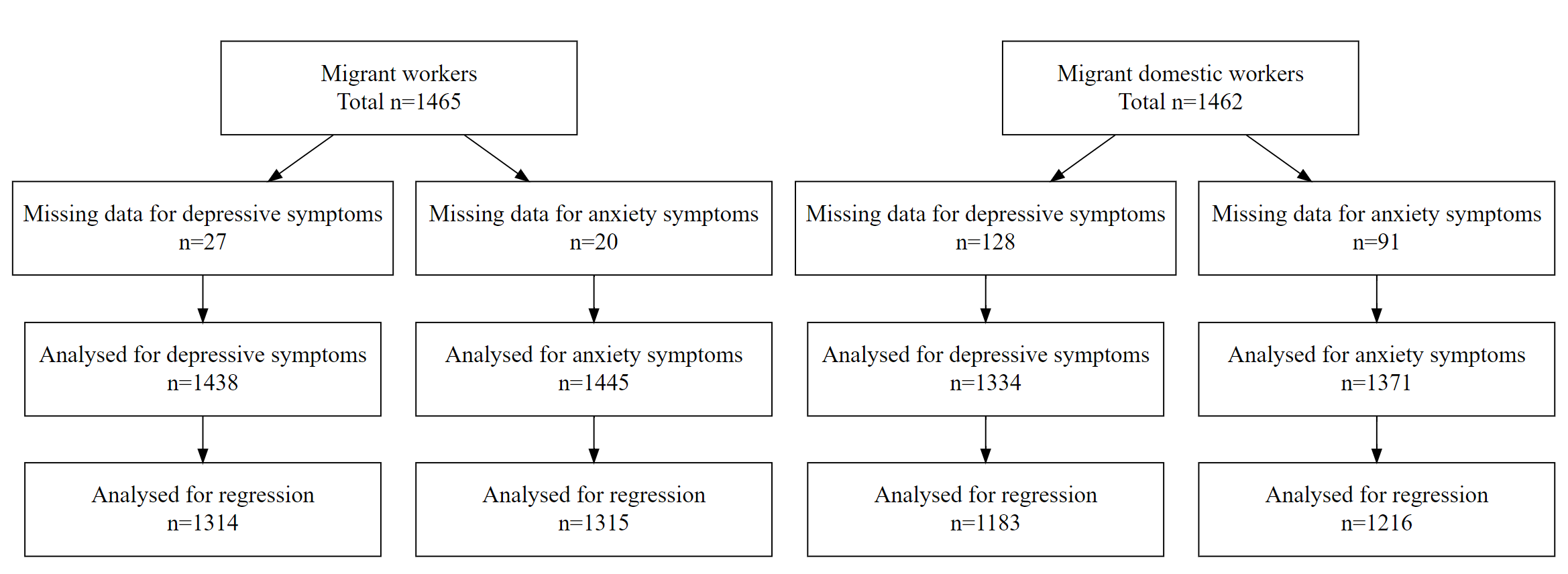
Table 1. Characteristics of migrant workers (n=1465).
|
Variables |
no. (%) |
|
Age group, years |
|
|
20–29 |
390 (26.62) |
|
30–39 |
622 (42.46) |
|
40–49 |
352 (24.03) |
|
50–62 |
101 (6.89) |
|
Nationality |
|
|
China |
488 (33.31) |
|
India |
488 (33.31) |
|
Bangladesh |
489 (33.38) |
|
Educational qualificationa |
|
|
Primary and below |
105 (7.17) |
|
Secondary |
700 (47.81) |
|
Pre-tertiary |
504 (34.43) |
|
Tertiary |
151 (10.31) |
|
Others |
4 (0.27) |
|
Marital status |
|
|
Married |
1065 (72.70) |
|
Single |
375 (25.60) |
|
Separated/widowed/divorced |
20 (1.37) |
|
Cohabiting |
5 (0.34) |
|
Monthly salary, SGD |
|
|
≤675 |
484 (33.43) |
|
>675–1600 |
486 (33.56) |
|
>1600 |
478 (33.01) |
|
No. of hours worked per day |
|
|
≤8 |
779 (53.32) |
|
>8–0 |
538 (36.82) |
|
>1 |
144 (9.86) |
|
No. of years in Singapore |
|
|
≤1.5 |
504 (34.64) |
|
>1.5–9 |
518 (35.60) |
|
>9 |
433 (29.76) |
|
Do you have a day off? |
|
|
No |
184 (12.79) |
|
Yes |
1255 (87.21) |
|
Depressive symptoms |
|
|
No-to-mild |
1426 (99.17) |
|
Moderate-to-severe |
12 (0.83) |
|
Anxiety symptoms |
|
|
No-to-mild |
1427 (98.75) |
|
Moderate-to-severe |
18 (1.25) |
|
Stress symptoms |
|
|
No |
1437 (98.29) |
|
Mild-to-extremely severe |
25 (1.71) |
|
Insomnia |
|
|
No |
1327 (95.95) |
|
Yes |
56 (4.05) |
|
Resilience |
|
|
Low |
120 (8.22) |
|
Normal |
1038 (71.10) |
|
High |
302 (20.68) |
|
Perceived social support |
|
|
Low |
20 (1.37) |
|
Medium |
495 (33.95) |
|
High |
943 (64.68) |
SGD: Singapore dollars
a It is possible that respondents selected the closest matching option from the list.
Missing data: educational qualification (n=1), monthly salary in SGD (n=17), no. of hours worked per day (n=4), no. of years in Singapore (n=10), do you have a day off (n=26), depressive symptoms (n=27), anxiety symptoms (n=20), stress symptoms (n=3), insomnia (n=82), resilience (n=5), perceived social support (n=7).
Table 2. Characteristics of migrant domestic workers (n=1462).
|
Variables |
no. (%) |
|
Age group, years |
|
|
20–29a |
247 (16.89) |
|
30–39 |
577 (39.47) |
|
40–49 |
521 (35.64) |
|
50–60 |
117 (8.00) |
|
Nationality |
|
|
Philippines |
487 (33.31) |
|
Myanmar |
488 (33.38) |
|
Indonesia |
487 (33.31) |
|
Educational qualificationb |
|
|
Primary and below |
85 (5.81) |
|
Secondary |
820 (56.09) |
|
Pre-tertiary |
418 (28.59) |
|
Tertiary |
136 (9.30) |
|
Others |
3 (0.21) |
|
Marital status |
|
|
Married |
547 (37.49) |
|
Single |
580 (39.75) |
|
Separated/widowed/divorced |
327 (22.41) |
|
Cohabiting |
5 (0.34) |
|
Monthly salary, SGD |
|
|
≤650 |
566 (38.82) |
|
>650–750 |
432 (29.63) |
|
>750 |
460 (31.55) |
|
No. of hours worked per day |
|
|
≤12 hours |
691 (47.66) |
|
>12–14 hours |
350 (24.14) |
|
>14 hours |
409 (28.21) |
|
No. of years in Singapore |
|
|
≤4 years |
467 (34.62) |
|
>4–10 years |
473 (35.06) |
|
>10 years |
409 (30.32) |
|
Do you have a day off?c |
|
|
No |
40 (2.75) |
|
Yes |
1412 (97.25) |
|
Depressive symptoms |
|
|
No-to-mild |
1280 (95.95) |
|
Moderate-to-severe |
54 (4.05) |
|
Anxiety symptoms |
|
|
No-to-mild |
1313 (95.77) |
|
Moderate-to-severe |
58 (4.23) |
|
Stress symptoms |
|
|
No |
1318 (91.85) |
|
Mild-to-extremely severe |
117 (8.15) |
|
Insomnia |
|
|
No |
1226 (85.08) |
|
Yes |
215 (14.92) |
|
Resilience |
|
|
Low |
198 (13.60) |
|
Normal |
1084 (74.45) |
|
High |
174 (11.95) |
|
Perceived social support |
|
|
Low |
125 (8.65) |
|
Medium |
494 (34.19) |
|
High |
826 (57.16) |
SGD: Singapore dollars
a The youngest age is 23 years, which is the legal working age for migrant domestic workers (MDWs).
b It is possible that respondents selected the closest matching option from the list.
c Each MDW was given a Ministry of Manpower (MOM) hotline information pamphlet prior to the survey and it was mentioned to the MDWs that they can refer to MOM for any assistance.
Missing data: marital status (n=3), monthly salary in SGD (n=4), no. of hours worked per day (n=12), no. of years in Singapore (n=113), do you have a day off? (n=10), depressive symptoms (n=128), anxiety symptoms (n=91), stress symptoms (n=27), insomnia (n=21), resilience (n=6), perceived social support (n=17).
For MDWs (Table 2), the highest proportion of them were aged 30–39 years (39.47%, n=577), had secondary school educational qualification (56.09%, n=820), single (39.75%, n=580) and had a rest day (97.25%, n=1412). Furthermore, 8.00% (n=117) endorsed mild-to-extremely-severe stress symptoms, 14.92% (n=215) endorsed insomnia, 13.60% (n=198) reported low resilience and 8.65% (n=125) reported having low social support. Table S2 presents the salary structure of MDWs stratified by nationality.
The median PHQ-9 score was 1 (IQR 0–1) for MWs and 1 (IQR 0–3) for MDWs. The median GAD-7 score was 0 (IQR 0–1) for MWs and 0 (IQR 0–3) for MDWs. Among MWs (Table 1), 5.15% (95% CI 4.12–6.42%) had mild depressive symptoms and 0.83% (95% CI 0.47–1.46%) had moderate-to-severe depressive symptoms. Moreover, 5.05% (95% CI 4.03–6.31%) had mild anxiety symptoms and 1.25% (95% CI 0.79–1.97%) had moderate-to-severe anxiety symptoms (Table 1).
Among MDWs (Table 2), 13.57% (95% CI 11.83–15.51%) had mild depressive symptoms and 4.05% (95% CI 3.11–5.25%) had moderate-to-severe depressive symptoms. Furthermore, 10.21% (95% CI 8.72–11.93%) had mild anxiety symptoms and 4.23% (95% CI 3.28–5.44%) had moderate-to-severe anxiety symptoms.
Table 3 presents the regression results for MWs. MWs were more likely to develop depressive symptoms if they were of Chinese nationality (versus [vs] India, APR 1.92, 95% CI 1.02–3.61); Bangladesh nationality (vs India, APR 1.46, 95% CI 1.07–1.99); had pre-tertiary education (vs secondary, APR 1.52, 95% CI 1.17–1.98) or tertiary educational qualification (vs secondary, APR 1.99, 95% CI 1.30–3.04); worked 8–10 hours per day (vs ≤8 hours, APR 1.56, 95% CI 1.11–2.19), had mild-to-extremely severe stress symptoms (vs no stress symptoms, APR 3.75, 95% CI 1.74–8.11); reported insomnia (vs no insomnia, APR 3.86, 95% CI 2.32–6.44); and had low resilience (vs normal resilience, APR 2.07, 95% CI 1.38–3.10).
Table 3. Regression results for migrant workers.
|
Variables |
Depressive symptoms (n=1314) |
Anxiety symptoms (n=1315) |
||
|
|
APR (95% CI) |
P value |
APR (95% CI) |
P value |
|
Age group, years |
|
|
|
|
|
20–29 |
Ref |
Ref |
||
|
30–39 |
1.01 (0.70–1.45) |
0.969 |
0.95 (0.63–1.44) |
0.818 |
|
40–49 |
0.79 (0.50–1.25) |
0.319 |
0.59 (0.36–0.98) |
0.043 |
|
50–60 |
0.82 (0.43–1.57) |
0.543 |
0.48 (0.23–0.99) |
0.048 |
|
Nationality |
||||
|
India |
Ref |
Ref |
||
|
China |
1.92 (1.02–3.61) |
0.043 |
1.36 (0.68–2.75) |
0.387 |
|
Bangladesh |
1.46 (1.07–1.99) |
0.016 |
0.65 (0.47–0.90) |
0.010 |
|
Educational qualification |
||||
|
Primary and below |
1.28 (0.80–2.06) |
0.302 |
1.02 (0.61–1.70) |
0.954 |
|
Secondary |
Ref |
Ref |
||
|
Pre-tertiary |
1.52 (1.17–1.98) |
0.002 |
1.42 (1.07–1.89) |
0.016 |
|
Tertiary |
1.99 (1.30–3.04) |
0.001 |
1.96 (1.22–3.15) |
0.005 |
|
Others |
2.50 (0.35–18.10) |
0.363 |
1.26 (0.12–13.21) |
0.845 |
|
Marital status |
||||
|
Married |
Ref |
Ref |
||
|
Single |
0.95 (0.66–1.36) |
0.764 |
0.92 (0.61–1.38) |
0.685 |
|
Separated/widowed/divorced |
1.10 (0.45–2.69) |
0.843 |
2.07 (0.79–5.37) |
0.137 |
|
Cohabiting |
2.27 (0.49–10.54) |
0.296 |
2.27 (0.4–12.94) |
0.356 |
|
Monthly salary, SGD |
||||
|
≤675 |
Ref |
Ref |
||
|
>675–1600 |
0.75 (0.55–1.01) |
0.058 |
1.01 (0.73–1.40) |
0.957 |
|
>1600 |
0.48 (0.26–0.87) |
0.016 |
0.39 (0.20–0.74) |
0.004 |
|
No. of hours worked per day |
||||
|
≤8 |
Ref |
Ref |
||
|
>8–10 |
1.56 (1.11–2.19) |
0.010 |
1.85 (1.27–2.70) |
0.001 |
|
>10 |
1.39 (0.87–2.22) |
0.170 |
1.07 (0.64–1.80) |
0.784 |
|
No. of years in Singapore |
||||
|
≤1.5 |
Ref |
Ref |
||
|
>1.5–9 |
0.59 (0.43–0.81) |
0.001 |
0.86 (0.60–1.23) |
0.403 |
|
>9 |
0.59 (0.40–0.88) |
0.009 |
0.74 (0.48–1.14) |
0.169 |
|
Do you have a day off? |
||||
|
No |
Ref |
Ref |
||
|
Yes |
0.84 (0.60–1.18) |
0.321 |
0.52 (0.36–0.74) |
<0.001 |
|
Stress symptoms |
||||
|
No |
Ref |
Ref |
||
|
Yes |
3.75 (1.74–8.11) |
0.001 |
4.11 (1.80–9.43) |
0.001 |
|
Insomnia |
||||
|
No |
Ref |
Ref |
||
|
Yes |
3.86 (2.32–6.44) |
<0.001 |
3.72 (2.10–6.57) |
<0.001 |
|
Resilience |
||||
|
Low |
2.07 (1.38–3.10) |
<0.001 |
2.41 (1.57–3.72) |
<0.001 |
|
Normal |
Ref |
Ref |
||
|
High |
0.71 (0.53–0.97) |
0.032 |
0.71 (0.51–0.99) |
0.044 |
|
Perceived social support |
||||
|
Low |
2.43 (1.00–5.90) |
0.051 |
1.27 (0.46–3.49) |
0.649 |
|
Medium |
Ref |
Ref |
||
|
High |
1.14 (0.89–1.46) |
0.289 |
1.18 (0.90–1.54) |
0.243 |
APR: adjusted prevalence ratio; CI: confidence interval; SGD: Singapore dollars
P values in bold indicate statistical significance.
The participants were less likely to develop depressive symptoms if they had a monthly salary greater than SGD1600 (vs ≤SGD675; APR 0.48, 95% CI 0.26–0.87); worked in Singapore either for 1.5–9 years (vs ≤1.5 years; APR 0.59, 95% CI 0.43–0.81) or more than 9 years (vs ≤1.5 years; APR 0.59, 95% CI 0.40–0.88); and had high resilience (vs normal resilience; APR 0.71, 95% CI 0.53–0.97).
Moreover, they were more likely to develop anxiety symptoms if they had pre-tertiary (vs secondary education; APR 1.42, 95% CI 1.07–1.89) or tertiary educational qualification (vs secondary education; APR 1.96, 95% CI 1.22–3.15); worked 8–10 hours per day (vs ≤8 hours; APR 1.85, 95% CI 1.27–2.70); had mild-to-extremely severe stress symptoms (vs no stress symptoms; APR 4.11, 95% CI 1.80–9.43); reported insomnia (vs no insomnia; APR 3.72, 95% CI 2.10–6.57); and had low resilience (vs normal resilience; APR 2.41, 95% CI 1.57–3.72).
They were less likely to develop anxiety symptoms if they were older (40–49 vs 20–29 years: APR 0.59, 95% CI 0.36–0.98; 50–62 vs 20–29 years: APR 0.48, 95% CI 0.23–0.99); of Bangladesh nationality (vs India; APR 0.65, 95% CI 0.47–0.90); had a monthly salary greater than SGD1600 (vs ≤SGD675, APR 0.39, 95% CI 0.20–0.74), had a day off (OR 0.52, 95% CI 0.36–0.74); and high resilience (vs normal resilience, APR 0.71, 95% CI 0.51–0.99).
Table 4 shows the regression results for MDWs. MDWs were more likely to develop depressive symptoms if they worked >14 hours (vs ≤12 hours, APR 1.42, 95% CI 1.16–1.74); had mild-to-extremely severe stress symptoms (APR 2.47, 95% CI 1.81–3.39); and had symptoms of insomnia (APR 3.02, 95% CI 2.40–3.81). They were less likely to develop depressive symptoms if they were of Indonesian nationality (vs Filipino, APR 0.75, 95% CI 0.59–0.95); and had high resilience (vs normal resilience, APR 0.55, 95% CI 0.42–0.73).
Table 4. Regression results for migrant domestic workers.
|
Variables |
Depressive symptoms (n=1183) |
Anxiety symptoms (n=1216) |
||
|
|
APR (95% CI) |
P value |
APR (95% CI) |
P value |
|
Age group, years |
|
|
|
|
|
20–29 |
Ref |
Ref |
||
|
30–39 |
1.03 (0.79–1.35) |
0.817 |
1.06 (0.77–1.47) |
0.729 |
|
40–49 |
0.92 (0.66–1.27) |
0.602 |
0.80 (0.54–1.19) |
0.272 |
|
50–60 |
0.96 (0.61–1.50) |
0.848 |
0.95 (0.55–1.65) |
0.861 |
|
Nationality |
||||
|
Philippines |
Ref |
Ref |
||
|
Myanmar |
0.84 (0.66–1.08) |
0.169 |
0.62 (0.46–0.85) |
0.002 |
|
Indonesia |
0.75 (0.59–0.95) |
0.016 |
0.80 (0.60–1.05) |
0.106 |
|
Educational qualification |
||||
|
Primary and below |
1.18 (0.82–1.69) |
0.367 |
1.13 (0.74–1.72) |
0.581 |
|
Secondary |
Ref |
Ref |
||
|
Pre-tertiary |
1.17 (0.96–1.42) |
0.115 |
0.97 (0.76–1.22) |
0.782 |
|
Tertiary |
1.28 (0.96–1.71) |
0.096 |
1.11 (0.78–1.57) |
0.573 |
|
Others |
0.33 (0.02–5.10) |
0.431 |
1.06 (0.11–10.66) |
0.960 |
|
Marital status |
||||
|
Married |
Ref |
Ref |
||
|
Single |
1.10 (0.89–1.35) |
0.370 |
1.24 (0.97–1.60) |
0.089 |
|
Separated/widowed/divorced |
0.90 (0.72–1.14) |
0.390 |
1.11 (0.84–1.46) |
0.459 |
|
Cohabiting |
1.12 (0.33–3.79) |
0.852 |
1.32 (0.20–8.72) |
0.771 |
|
Monthly salary, SGD |
||||
|
≤650 |
Ref |
Ref |
||
|
>650–750 |
1.13 (0.89–1.43) |
0.306 |
0.80 (0.60–1.07) |
0.138 |
|
>750 |
0.95 (0.74–1.23) |
0.715 |
0.85 (0.62–1.17) |
0.320 |
|
No. of hours worked per day |
||||
|
≤12 |
Ref |
Ref |
||
|
>12–14 |
1.15 (0.93–1.41) |
0.204 |
1.23 (0.96–1.58) |
0.100 |
|
>14 |
1.42 (1.16–1.74) |
0.001 |
1.45 (1.14–1.84) |
0.003 |
|
No. of years in Singapore |
||||
|
≤4 |
Ref |
Ref |
||
|
>4–10 |
0.85 (0.67–1.08) |
0.183 |
0.86 (0.65–1.14) |
0.291 |
|
>10 |
0.79 (0.59–1.05) |
0.103 |
0.81 (0.56–1.15) |
0.231 |
|
Do you have a day off? |
||||
|
No |
Ref |
Ref |
||
|
Yes |
1.62 (0.89–2.96) |
0.115 |
1.82 (0.87–3.80) |
0.110 |
|
Stress symptoms |
||||
|
No |
Ref |
Ref |
||
|
Yes |
2.47 (1.81–3.39) |
<0.001 |
2.71 (1.88–3.90) |
<0.001 |
|
Insomnia |
||||
|
No |
Ref |
Ref |
||
|
Yes |
3.02 (2.40–3.81) |
<0.001 |
3.32 (2.52–4.37) |
<0.001 |
|
Resilience |
||||
|
Low |
1.11 (0.87–1.42) |
0.393 |
1.26 (0.95–1.68) |
0.111 |
|
Normal |
Ref |
Ref |
||
|
High |
0.55 (0.42–0.73) |
<0.001 |
0.58 (0.42–0.81) |
0.001 |
|
Perceived social support |
||||
|
Low |
1.23 (0.90–1.68) |
0.198 |
1.47 (1.01–2.16) |
0.046 |
|
Medium |
Ref |
Ref |
||
|
High |
1.17 (0.97–1.41) |
0.094 |
1.11 (0.89–1.39) |
0.346 |
APR: adjusted prevalence ratio; CI: confidence interval; SGD: Singapore dollars
Furthermore, they were more likely to develop anxiety symptoms if they worked >14 hours (vs ≤12 hours, APR 1.45, 95% CI 1.14–1.84); had mild-to-extremely severe stress symptoms (APR 2.71, 95% CI 1.88–3.90); had symptoms of insomnia (APR 3.32, 95% CI 2.52–4.37); and had low social support (vs medium social support, APR 1.47, 95% CI 1.01–2.16). They were less likely to develop anxiety symptoms if they were of Burmese nationality (vs Filipino, APR 0.62, 95% CI 0.46–0.85), and had high resilience (vs normal resilience, APR 0.58, 95% CI 0.42–0.81).
DISCUSSION
The study examined the prevalence and correlates of moderate-to-severe depressive and anxiety symptoms among MWs (depressive 0.83%, anxiety 1.25%) and MDWs (depressive 4.05%, anxiety 4.23%) in Singapore. It was conducted during a distinctive period—in the aftermath of the COVID-19 pandemic and initiation of programmes aimed at enhancing the well-being of MWs and MDWs. This context has implications for the findings.
The prevalence of depressive and anxiety symptoms among MWs and MDWs was lower than the pooled prevalence reported from a systematic review on migrant workers,5 as well as prior research on MWs and MDWs in Singapore.25 This discrepancy in prevalence could be attributed to 2 reasons. First, the study was conducted following the COVID-19 pandemic. With the lifting of regulations and restrictions previously imposed to curb the spread of COVID-19, the fears and concerns of MWs and MDWs26,27 related to these measures were eased, which may have reduced their depressive and anxiety symptoms. Many MWs who left for home during the pandemic had anecdotally shared the challenges they faced in securing employment in their own countries and their sense of relief in gaining employment again in Singapore during the post-COVID period. Second, various organisations including MOM,11,14 voluntary welfare organisations14 and dormitory operators had introduced various policies and programmes to enhance the well-being of MWs and MDWs during and after the COVID-19 pandemic. The beneficial effects of these programmes might have led to favourable results in this study.
Moreover, MWs and MDWs reported lower prevalence of depressive and anxiety symptoms than the residents in Singapore.28 While limited number of studies have compared the prevalence of depressive and anxiety symptoms between migrant population and residents in Singapore, the difference in prevalence could be attributed to effective coping strategies among the migrant population.29,30 For instance, a qualitative study on MWs during the COVID-19 period reported that the participants coped with the stressors during the crisis by engaging in their religion or faith, staying connected with family, staying informed of news updates and ensuring their needs were met.30
This study also found that among MWs and MDWs, depressive and anxiety symptoms were negatively associated with resilience, which is the ability to cope or bounce back from adversities.24 This finding corroborated the observations of other studies, including a cross-sectional study on Iranian immigrants in Australia before the COVID-19 pandemic31 and a survey of MWs in India during the pandemic.32 These findings imply that resilience plays a vital role in safeguarding mental well-being, especially in times of difficulty such as the pandemic. Hence, enhancing resilience among MWs and MDWs through the appropriate interventions is key to help foster good mental health. Existing interventions emphasise fostering resilience among migrants by strengthening their ecosystems, such as highlighting the community’s existing strengths and skills,33 and teaching migrants to cope with adversities by reinforcing their cultural strengths.
Among MWs, a higher educational attainment was positively associated with depressive and anxiety symptoms. This finding differs from other similar studies, which shows either no association or negative association after adjustment of covariates.34,35 One possible reason could be that those with higher educational qualifications were underemployed. A study in Australia found that among males, those who were over-skilled were more likely to have poorer mental health.36 In the migrant setting, this situation is a possibility because MWs may accept jobs below their skill level for a higher salary.
The study revealed that overworking was associated with poor mental health outcomes. Among MWs, those without days off were more likely to have anxiety symptoms. Having at least 1 rest day per week is mandated by the national legislation for non-migrant populations in many countries, but the published literature on its impact on mental health is scarce. The findings underscore the critical role of rest days for the mental well-being of MWs. Among MDWs, those with a higher number of working hours per day were more likely to have depressive and anxiety symptoms. This finding aligned with another qualitative study on MDWs in Hong Kong, which reported overworking as a reason that affected MDWs’ mental health.37 Currently, in Singapore, employers are mandated to give 1 rest day per month that cannot be compensated away for MDWs to recuperate from their long working hours.14 Nonetheless, future studies can investigate the long-term effects of mandating a rest day on the association between overworking and mental well-being.
The findings on the association between nationality and mental health symptoms for MWs showed that those from Bangladesh were more likely to develop depressive symptoms but less likely to develop anxiety symptoms. Moreover, MDWs of Filipino nationality were more likely to have depressive symptoms than those of Indonesian nationality, and more likely to have anxiety symptoms than those of Burmese nationality. However, given the quantitative nature of this study, the authors are unable to further elucidate the reasons for the difference in depressive and anxiety symptoms among the different nationalities. Nonetheless, the significant association between nationality and mental health symptoms implies the need to monitor mental health disparities across nationalities and develop culturally tailored support measures for specific migrant communities.
Compared to previous studies in Singapore,8,9,38 this study had a large sample size for the examination of MWs’ and MDWs’ mental well-being through the evolution of safe management policies of the COVID-19 pandemic. However, this study has some limitations. First, the cross-sectional study design does not permit causal inference. Second, the use of convenience sampling limits the generalisability of the findings to the wider population of interest. Third, the prevalence of depression and anxiety could be under-reported. Participants might provide socially desirable answers due to various reasons, such as the stigma around mental illness and the fear that their responses may jeopardise their employment status. However, the researchers had put in measures to minimise this by not collecting any identifiers and providing assurance of anonymity. Fourth, the authors were unable to examine potential correlates, such as indebtedness as a factor affecting mental health, as these were not collected in the study. Last, the authors did not adjust for type I error because adjusting for multiple comparison remains a debated topic with no clear consensus. Although adjusting for type I error using Bonferroni correction may be easy to implement, it can increase type II error. Nonetheless, to maintain transparency in the findings, the authors acknowledge this limitation. Moreover, all relevant statistical results are included in this article so that readers can apply their own adjustment.
CONCLUSION
The study examined the prevalence and correlates of depressive and anxiety symptoms among MWs and MDWs. Findings show that having high resilience was negatively associated with depressive and anxiety symptoms among MWs and MDWs. Not having a rest day was associated with increased anxiety symptoms among MWs, and a higher number of working hours was associated with increased depressive and anxiety symptoms of MDWs. As newly implemented policies and programmes run their course, future studies can be conducted to investigate their long-term impact and effectiveness in providing support to the mental health of MWs and MDWs. Moreover, it is pertinent to continue this drive for change and foster an environment that supports the mental well-being of this population.
Table S1. Monthly salary stratified by nationality among migrant workers.
Table S2. Monthly salary stratified by nationality among migrant domestic workers.
Acknowledgements
The authors would like to thank Kumarasan Roystonn and Fiona Devi for their contribution and assistance to this study.
REFERENCES
- International Labour Organization. International migrants are vital force in the global labour market. https://www.ilo.org/resource/news/international-migrants-are-vital-force-global-labour-market. Accessed 13 January 2025.
- Farwin A, Low A, Howard N, et al. “My young life, finished already?”: a qualitative study of embedded social stressors and their effects on mental health of low-wage male migrant workers in Singapore. Glob Health 2023;19:47.
- Zhong BL, Liu TB, Chan SSM, et al. Common mental health problems in rural-to-urban migrant workers in Shenzhen, China: prevalence and risk factors. Epidemiol Psychiatr Sci 2018;27:256-65.
- Hargreaves S, Rustage K, Nellums LB, et al. Occupational health outcomes among international migrant workers: a systematic review and meta-analysis. Lancet Glob Health 2019;7:e872-82.
- Hasan SI, Yee A, Rinaldi A, et al. Prevalence of common mental health issues among migrant workers: A systematic review and meta-analysis. Cabieses B, editor. PLoS One 2021;16:e0260221.
- Harrigan N, Koh CY. Vital yet vulnerable: Mental and emotional health of South Asian migrant Workers in Singapore. Research Collection School of Social Sciences. Paper 1764. Singapore: Lien Centre for Social Innovation; 2015. https://ink.library.smu.edu.sg/soss_research/1764/. Accessed 13 January 2025.
- Ministry of Manpower, Singapore. Foreign workforce numbers. https://www.mom.gov.sg/foreign-workforce-numbers. Accessed 13 January 2025.
- Palaniappan K, Natarajan R, Dasgupta C. Prevalence and risk factors for depression, anxiety and stress among foreign construction workers in Singapore – a cross-sectional study. Int J Constr Manag 2023;23:2479-87.
- Anjara SG, Nellums LB, Bonetto C, et al. Stress, health and quality of life of female migrant domestic workers in Singapore: a cross-sectional study. BMC Womens Health 2017;17:98.
- Ministry of Manpower, Singapore. Around 1,000 dormitories to transition to improved standards to strengthen migrant worker housing resilience. 11 October 2023. https://www.mom.gov.sg/newsroom/press-releases/2023/1011-dts. Accessed 13 January 2025.
- Ministry of Manpower, Singapore. Improved Standards For New Migrant Worker Dormitories To Strengthen Public Health Resilience And Enhance Liveability. 17 September 2021. https://www.mom.gov.sg/newsroom/press-releases/2021/0917-improved-standards-for-new-migrant-worker-dormitories. Accessed 13 January 2025.
- Ministry of Manpower, Singapore. New Taskforce to Enhance Mental Health Care Support for Migrant Workers. 6 November 2020. https://www.mom.gov.sg/newsroom/press-releases/2020/1106-new-taskforce-to-enhance-mental-health-care-support-for-migrant-workers. Accessed 22 April 2025.
- Ministry of Manpower. Singapore. New Primary Healthcare System for Migrant Workers. 6 November 2020. https://www.mom.gov.sg/newsroom/press-releases/2021/1129-new-primary-healthcare-system-for-migrant-workers. Accessed 22 April 2025.
- Ministry of Manpower, Singapore. Speech by Minister of State for Manpower, Ms Gan Siow Huang, for FAST Hub’s Official Opening and FAST’s Annual Migrant Domestic Worker (MDW) and Employer Appreciation Day. 20 November 2022. https://www.mom.gov.sg/newsroom/speeches/2022/1120-speech-by-minister-of-state-for-manpower-at-the-official-opening-of-fast-hub. Accessed 13 January 2025.
- Garabiles MR, Lao CK, Yip P, et al. Psychometric Validation of PHQ–9 and GAD–7 in Filipino Migrant Domestic Workers in Macao (SAR), China. J Pers Assess 2020;102:833-44.
- Maxwell SE, Kelley K, Rausch JR. Sample Size Planning for Statistical Power and Accuracy in Parameter Estimation. Annu Rev Psychol 2008;59:537-63.
- Kupper LL, Hafner KB. How Appropriate are Popular Sample Size Formulas? Am Stat 1989;43:101-5.
- Kroenke K, Spitzer RL, Williams JBW. The PHQ-9: Validity of a brief depression severity measure. J Gen Intern Med 2001;16:606-13.
- Hou F, Liu H, Peng X, et al. Gender disparities in depressive and anxiety symptoms among internal migrant workers in Shenzhen: a cross-sectional study. BMJ Open 2020;10:e041446.
- Spitzer RL, Kroenke K, Williams JBW, et al. A Brief Measure for Assessing Generalized Anxiety Disorder: The GAD-7. Arch Intern Med 2006;166:1092-7.
- Lovibond PF, Lovibond SH. The structure of negative emotional states: Comparison of the Depression Anxiety Stress Scales (DASS) with the Beck Depression and Anxiety Inventories. Behav Res Ther 1995;33:335-43.
- Morin CM, Belleville G, Bélanger L, et al. The Insomnia Severity Index: Psychometric Indicators to Detect Insomnia Cases and Evaluate Treatment Response. Sleep 2011;34:601-8.
- Zimet GD, Dahlem NW, Zimet SG, et al. The Multidimensional Scale of Perceived Social Support. J Pers Assess 1988;52:30-41.
- Smith BW, Dalen J, Wiggins K, et al. The brief resilience scale: Assessing the ability to bounce back. Int J Behav Med 2008;15:194-200.
- Saw YE, Tan EY, Buvanaswari P, et al. Mental health of international migrant workers amidst large-scale dormitory outbreaks of COVID-19: A population survey in Singapore. J Migr Health 2021;4:100062.
- Kaur-Gill S. The COVID-19 Pandemic and Outbreak Inequality: Mainstream Reporting of Singapore’s Migrant Workers in the Margins. Front Commun 2020;5:65.
- Goh XR, Ishraq F, Bin Noorul Amin Alawdeen FM, et al. Migrant Workers and Their Concerns During the COVID-19 Pandemic. SSRN. Preprint. https://www.ssrn.com/abstract=3759646. Accessed 13 January 2025.
- Chua YCE, Lin YC, Lew JK, et al. Prevalence and risk factors of depression and anxiety in primary care. Ann Acad Med Singap 2024;53:293-305.
- Zainal KA, Barlas J. Mental health, stressors and resources in migrant domestic workers in Singapore: A thematic analysis of in-depth interviews. Int J Intercult Relat 2022;90:116-28.
- Yee K, Peh HP, Tan YP, et al. Stressors and coping strategies of migrant workers diagnosed with COVID-19 in Singapore: a qualitative study. BMJ Open 2021;11:e045949.
- Hosseini A, Kakuma R, Ghazinour M, et al. Migration experience, resilience and depression: a study of Iranian immigrants living in Australia. Int J Cult Ment Health 2017;10:108-20.
- Soumya AV, Dhamija S, Davis S, et al. Assessment of depression, anxiety, stress, alcohol dependence, and resilience in migrant workers during COVID-19 crisis. Ind Psychiatry J 2024;33:S163-70.
- Gohar Khawaja N, Ramirez E, Prasad-Ildes R. Building resilience in transcultural adults (BRiTA): Developing a novel preventative intervention. Adv Ment Health 2013;11:302-12.
- Win N, Hounnaklang N, Tantirattanakulchai P, et al. The Impact of Stressors on Depressive Symptoms Among Youth Myanmar Migrant Workers in Thailand: A Cross-Sectional Study. Psychol Res Behav Manag 2024;17:2653-63.
- Sultana S, Jirapongsuwan A, Tipayamongkholgul M. Mental Health and Associated Factors among Bangladeshi Migrants in Thailand: a cross-sectional study. Sci Rep 2025;15:966.
- Churchill B, Ervin J, Ruppanner L, et al. Underemployment and mental health amongst working-age Australians: a gendered analysis using the HILDA survey (2002-2022). Health Promot Int 2025;40:daaf030.
- Sumerlin TS, Kim JH, Yu J, et al. Perceived discrimination and mental health among female migrant domestic workers in Hong Kong: A sequential explanatory mixed-methods study. Cultur Divers Ethnic Minor Psychol 2025;31:764-75,
- Ang JW, Chia C, Koh CJ, et al. Healthcare-seeking behaviour, barriers and mental health of non-domestic migrant workers in Singapore. BMJ Glob Health 2017;2:e000213.
This study obtained approval from the National University of Singapore Institutional Review Board (2021-724) before initiating recruitment process. MOM facilitated access to participants by connecting the research team with recreational centres and construction sites management team.
The study received funding from MOM. The funding organisation had no influence in the data collection, analysis and writing of the manuscript. The authors declare they have no affiliations with any commercial organisation with a direct financial interest in the subject or materials discussed in the manuscript. The data presented in this study are available upon reasonable request to the corresponding author. The data are not publicly available due to institutional policies.
Mr Yen Sin Koh, Research Division, Institute of Mental Health, 10 Buangkok View, Buangkok Green, Medical Park, Singapore 539747. Email: [email protected]
