

ABSTRACT
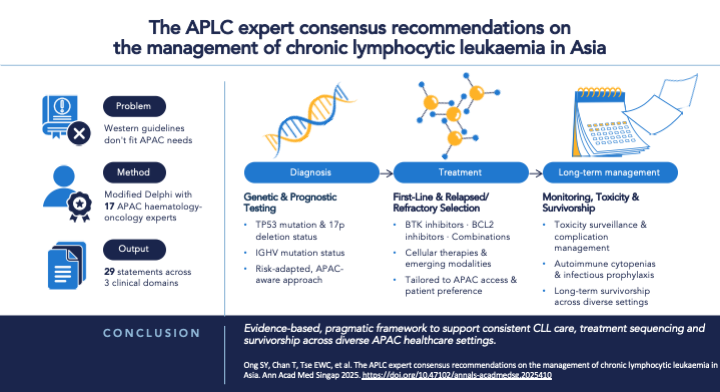
Introduction: Targeted therapies have significantly transformed the management of chronic lymphocytic leukaemia (CLL), yet most recommendations continue to reflect Western practice patterns. Variations in disease biology, healthcare resources and treatment accessibility across the Asia-Pacific (APAC) necessitate region-specific guidance. The Asia-Pacific Leukaemia Consortium (APLC) therefore developed updated consensus statements to support standardised, context-appropriate care for patients with CLL.
Methods: A modified Delphi process was conducted with 17 haematology experts from multiple APAC regions. A systematic literature search (i.e. MEDLINE via PubMed) covering publications from 2016 onwards informed the development of 29 statements across 3 domains: diagnosis, treatment and long-term management. Panel members rated each statement using a 5-point Likert scale. Consensus was defined a priori as a mean score ≥3.5. Statistical measures and iterative expert discussions guided refinement of the final recommendations.
Results: Twenty-nine statements reached consensus with key recommendations addressing: (1) appropriate use of genetic and prognostic testing, particularly TP53 and immunoglobulin heavy chain (IGHV) status; (2) first-line and relapsed/refractory treatment selection, including the role of Bruton’s tyrosine kinase (BTK) inhibitors, B-cell lymphoma 2 inhibitors, combination strategies, cellular therapies and emerging modalities; and (3) long-term monitoring, toxicity surveillance and management of complications such as autoimmune cytopenias. Region-specific considerations—such as variable access to novel agents and diagnostic platforms—were incorporated throughout.
Conclusion: These updated APLC consensus recommendations provide clinicians across the APAC with an evidence-based, pragmatic framework for managing CLL. They aim to support treatment consistency, optimise sequencing strategies and address gaps in diagnostics, access and long-term survivorship care across diverse healthcare settings.
CLINICAL IMPACT
Clinical Impact
What is New
- Provides the first updated Asia Pacific (APAC)-focused consensus on CLL management since 2023.
- Integrates recent data on Bruton’s tyrosine kinase inhibitors and B-cell lymphoma 2 inhibitors therapy, sequencing strategies and emerging options such as chimeric antigen receptor T-cell and next-generation agents.
Clinical Implications
- Offers actionable recommendations for diagnosis, treatment selection and long-term monitoring tailored to APAC healthcare systems.
- Supports more consistent, evidence-aligned practice despite variations in access, resources and patient profiles across the region.
Relapsed/refractory (R/R) chronic lymphocytic leukaemia (CLL) is a mature B-cell neoplasm characterised by the accumulation of monoclonal B lymphocytes in the bone marrow, peripheral blood and lymphoid organs. It predominantly affects older adults, with a median age at diagnosis above 70 years, and exhibits a highly variable clinical course influenced by genetic and microenvironmental factors.1,2 In 2019, there were an estimated 100,000 new CLL cases and 44,000 related deaths worldwide.3 CLL remains the most common leukaemia in Western countries, accounting for 25–35% of all leukaemia cases in the US, with an annual incidence of approximately 4.9–4.92 per 100,000 persons.1,4 Although incidence is 5- to 10-fold lower in Asian populations compared to Western cohorts,3,5 the absolute burden is rising with ageing populations and expanding diagnostic capacity. Moreover, the biological and clinical features of CLL in Asian populations may differ from those reported in Western studies, such as immunoglobulin heavy chain (IGHV) mutation status and high MYD88 mutation rate, underscoring the need for region-specific recommendations.6,7 The reasons for these epidemiological differences are not fully understood, though genetic factors have been proposed.8,9,10
To date, most evidence guiding CLL management is derived from Western populations, while data from Asia remain limited. This dearth in the literature creates challenges in adapting international guidelines to diverse healthcare infrastructures in Asia, with variable access to diagnostics and differences in treatment availability. Recognising these gaps, the Asia-Pacific Leukaemia Consortium (APLC) published consensus recommendations in 2023 tailored to the region’s needs.11 Since then, the therapeutic landscape has evolved rapidly, with novel targeted agents, combination strategies and emerging sequencing approaches reshaping treatment paradigms.
This updated consensus builds on the previous framework, focusing on 3 domains: (1) diagnosis, (2) treatment and (3) long-term management. The recommendations presented in this paper reflect expert consensus intended to support clinicians in adapting current evidence to the heterogeneous healthcare environments across the Asia-Pacific region. By integrating recent evidence with collective regional experience, this document aims to provide practical, evidence-informed guidance that supports consistent and high-quality care while recognising variations in healthcare resources and patient circumstances. As with all consensus-based guidance, these recommendations should be applied alongside individual patient factors and clinical judgement.
METHODS
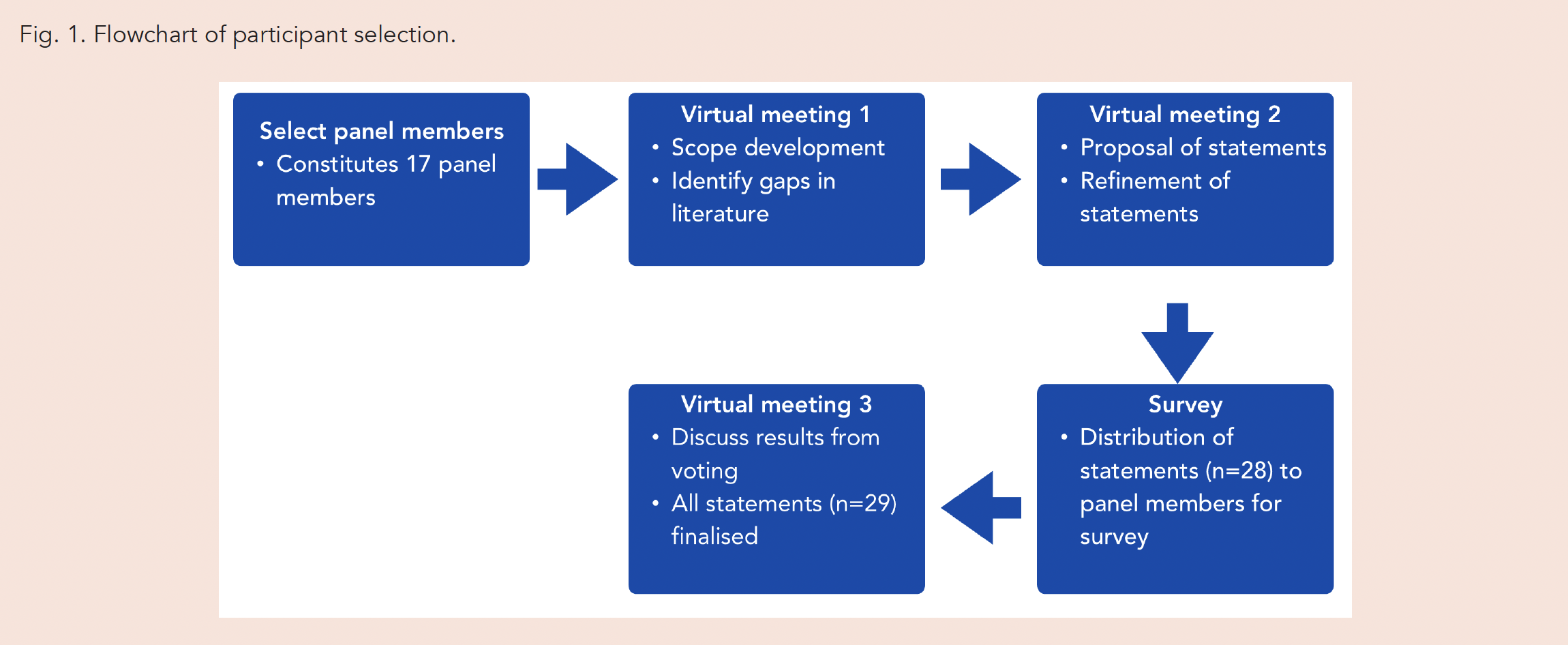
The APLC assembled a core panel comprising 5 haematology-oncology experts with an appointed chair. Subsequently, this consensus statement was developed using a modified Delphi method with a panel of 17 haematology-oncology experts from 9 Asia-Pacific regions: Australia, Hong Kong, Japan, Malaysia, People’s Republic of China, Singapore, South Korea, Taiwan and Thailand.
To identify the scope of this consensus statement, a comprehensive literature search was conducted using the MEDLINE database (via PubMed) to identify English-language research articles published from January 2016 until December 2024. Keywords included “chronic lymphocytic leukaemia,” “diagnosis,” “risk stratification,” “treatment,” “prognosis,” “Bruton’s tyrosine kinase inhibitor (BTKi),” “B-cell lymphoma-2 inhibitor (BCL-2i),” “TP53” and “immunoglobulin heavy chain variable region (IGHV) mutation,” among others. Relevant publications were reviewed to inform the survey design.
Based on the literature review findings and the clinical experience of the core panel, a qualitative survey was developed comprising 28 statements organised into 3 sections: (1) diagnosis, (2) treatment and (3) management. Panel members rated their agreement with each statement using a 5-point Likert scale (1 = strongly disagree, 2 = disagree, 3 = neutral, 4 = agree, 5 = strongly agree).
The statements were classified based on mean scores as follows:
- Consensus: Mean score ≥3.5
- Near consensus: Mean score of 3.25–3.49
- No consensus: Μean score ≤3.25
The consensus development process is illustrated in Fig. 1. Survey responses were recorded and analysed to determine consensus levels for each statement. Following survey completion, a virtual meeting was held on 16 July 2025 to present results and facilitate discussion among the entire panel. The meeting allowed the entire panel to review the final statements and provide additional feedback. The meeting led to the division of 1 consensus statement into 2 distinct statements (Statements 18 and 19). Statements 18 and 19 were initially combined and reached consensus during the survey; however, the panel agreed that separating them would provide greater clarity. In addition, Statement 4, which had reached near consensus during the survey, was reworded during the meeting and subsequently achieved consensus. Following thorough discussion and evidence review, 29 consensus recommendations were finalised. Table 1 summarises all recommendations with their corresponding statistical measures. The consensus recommendations and the supporting literature are discussed in the subsequent sections.
Fig. 1. Consensus process using a modified Delphi method.
Statistical analysis
For each statement, the mean, median and interquartile range (IQR) we calculated. The IQR measures statistical dispersion by capturing the difference between the upper and lower quartiles, representing the middle 50% of responses. An IQR ≤1 indicates that more than half of all responses fall within 1 point on the scale, demonstrating good consensus on a 5-point Likert scale, a standard and rigorous measure commonly used in Delphi studies.13
RESULTS AND DISCUSSIONS
Diagnosis
Timing of treatment initiation
For the majority of newly diagnosed CLL patients (over 80%), the disease is asymptomatic and early-stage (Rai 0 or Binet A). Only 30–50% of such cases will progress to advanced, symptomatic disease requiring therapy, while the rest may never need treatment in their lifetimes.14 Major guidelines, including the 2018 International Workshop on CLL (iwCLL) consensus, recommend that patients with early-stage, asymptomatic CLL should be monitored without treatment outside of clinical trials, since no overall survival (OS) benefit has been demonstrated for treating these patients prior to progression.12,15,16
Notably, multiple randomised trials have demonstrated no OS benefit from early treatment in this population.17,18 The CLL7 trial, which evaluated frontline FCR (fludarabine, cyclophosphamide, rituximab) in asymptomatic patients with high-risk Binet A disease, showed improved event-free survival but no OS advantage.19 Additionally, the phase III CLL12 trial confirmed that early intervention with ibrutinib delayed disease progression in biologically high-risk patients but did not confer a survival benefit and carried known toxicities.20 High-risk early-stage patients, such as those with unmutated IGHV, TP53 abnormality or elevated beta-2 microglobulin, may be considered for clinical trials of early intervention, but outside such settings, surveillance remains the standard of care.19
Baseline genetic testing prior to therapy
TP53 status, defined by the presence of either a 17p deletion (detected by interphase fluorescence in situ hybridisation [FISH]) or a somatic TP53 mutation (identified via sequencing), is the most clinically actionable biomarker in CLL.12,21 These abnormalities are typically mutually exclusive but occasionally co-occur.22 Testing for both is essential, as a subset of patients will harbour TP53 mutations without a detectable 17p deletion. TP53-disrupted CLL is associated with poor response to chemoimmunotherapy and reduced survival, even with novel agents.23,24,25 Consequently, targeted therapies are now the preferred frontline approach in these patients, and identification of TP53 status is a prerequisite for appropriate risk-adapted management.12 However, the expert panel recognised that the comprehensive assessment of TP53 may not be consistently available across the APAC region due to factors such as accessibility and affordability.
IGHV mutation status similarly stratifies patients by disease biology. IGHV-unmutated CLL carries a worse prognosis and responds poorly to chemoimmunotherapy, whereas IGHV-mutated CLL, especially in younger, fit patients, may achieve durable remissions with fixed duration.26-28 As such, IGHV status directly informs treatment selection, and its assessment is now standard practice prior to therapy.
Conventional karyotyping, while less widely available in some countries across the APAC region, may offer additional prognostic information beyond FISH and sequencing. In particular, the presence of a complex karyotype (≥3 abnormalities) or high-complexity karyotype (≥5 abnormalities) has been associated with inferior outcomes across treatment modalities.29 The iwCLL 2018 guidelines list karyotyping as desirable where feasible.12 While not essential, it can be considered in centres with adequate laboratory capacity to refine risk assessment, particularly in patients with borderline or ambiguous molecular profiles.
Panel recommendations for the diagnosis of CLL:
- Newly diagnosed, asymptomatic early-stage CLL should be managed with active surveillance until progression criteria are met, in line with iwCLL 2018 guidelines.
- Baseline testing for TP53 mutation and 17p deletion should be performed before initiating therapy; both tests should be ordered simultaneously where possible to avoid missing TP53-disrupted disease.
- IGHV mutation testing should be performed prior to treatment, as results directly guide regimen selection and long-term prognostication.
- Conventional karyotyping can be considered where available to identify complex karyotype, which provides additional prognostic insight beyond standard molecular testing.
- High-risk patients identified through biomarker testing should be counselled on the implications for treatment choice and prognosis at the time of diagnosis.
Treatment
Communication and patient expectations
CLL is typically an indolent, chronic leukaemia that is treatable but not curable in most cases. It requires lifelong monitoring and periodic treatment, making patient education and expectation-setting crucial. Engaging patients in treatment decisions and addressing their questions, values and lifestyle preferences help align long-term management plans with patient goals.30,31 This collaborative approach is especially important in most countries across the APAC region, where historical norms tended towards physician-driven decisions; newer models encourage patient participation to improve satisfaction and adherence.
BTKi therapy precautions and perioperative considerations
BTKi therapies (e.g. ibrutinib, acalabrutinib, zanubrutinib) can impair platelet signalling and increase bleeding risk. If possible, patients on BTKi therapies should avoid other agents with antiplatelet or anticoagulant effects. Specifically, nonsteroidal anti-inflammatory drugs and aspirin-containing products can exacerbate BTKi-related bleeding and are generally discouraged.
It is important to recognise that the combination of BTKi therapy with both antiplatelet and anticoagulant agents (“triple therapy”) markedly increases the risk of serious bleeding and is generally contraindicated.32-34 When dual antiplatelet therapy is mandatory (e.g. after coronary stenting), BTKi use should be deferred or alternate CLL treatments considered.35-37
If only 1 additional agent (either antiplatelet or anticoagulant) is required, the risk-benefit decision should be individualised. BTKi therapy may be justified in patients with limited options, such as those refractory to venetoclax-based therapy or immunochemotherapy. If anticoagulation is required, guidelines recommend avoiding vitamin K antagonists (warfarin) and using a direct oral anticoagulant instead.35 Patients should be counselled that supplements such as omega-3 fatty acids (fish oil) and vitamin E have mild antiplatelet effects. These should be stopped prior to elective surgeries and ideally avoided during BTKi therapy.35
Expert consensus and pharmacodynamics data suggest withholding BTKi for 3 to 7 days pre- and post-procedure, depending on bleeding risk and the specific BTKi’s half-life.38-41 Platelet function begins to normalise 2–3 days after stopping BTKi and fully recovers by 7 days.42 Thus, a 1-week interruption is appropriate for major surgeries.
First-line treatment selection
For the vast majority of patients requiring initial therapy, targeted agents should be considered the standard of care whenever available. Two main targeted strategies are now supported by phase III data: (1) continuous covalent BTK inhibition, and (2) fixed-duration venetoclax-based regimens. Selection among these approaches should be individualised according to comorbidities, patient preference for continuous versus time limited therapy, and regional access and reimbursement considerations across the Asia-Pacific region.43-51
In cases where targeted agents are not available, chemoimmunotherapy with FCR, usually administered for 6 cycles, for young, fit patients with mutated IGHV and intact TP53 (no 17p deletion or TP53 mutation) may be considered. However, FCR can carry long-term risks, including approximately 5% risk of therapy-related myelodysplastic syndrome (MDS) or acute myeloid leukaemia (AML) in follow-up.28 In some APAC countries, cost or availability issues may still lead to FCR use, but as novel agents become more accessible, this treatment choice is likely to become less commonly utilised.
The expert panel generally suggests the use of a second-generation covalent BTKi, such as acalabrunitib or zanubrutinib, over ibrutinib, whenever possible.52 Although there is no head-to-head comparison between acalabrutinib and ibrutinib in frontline setting, in the randomised phase III ELEVATE-RR trial, acalabrutinib demonstrated non-inferior progression-free survival (PFS) with fewer cardiovascular events compared to ibrutinib.53 In the randomised phase III ALPINE trial, zanubrunitib resulted in higher overall response rate (ORR) and improved PFS compared to ibrutinib.54 Rates of atrial fibrillation were also lower with zanubrutinib.
However, the expert panel also acknowledges several caveats when interpreting these trials. Notably, ALPINE observed lower PFS for ibrutinib than reported in the earlier RESONATE trial, despite enrolling a less heavily pretreated cohort.55 This has prompted debate within the CLL community, as the reasons for ibrutinib’s underperformance in ALPINE remain unclear. Factors such as broader geographic recruitment, changing treatment landscapes and trial conduct during the COVID-19 pandemic may have contributed. Other studies, such as the Australian Pharmaceutical Benefits Scheme analyses and OSU cohort data, have also reported cardiac event rates and overall outcomes with ibrutinib that more closely resemble earlier trial benchmarks.48,56 The expert panel generally suggests the preferential use of second-generation agents due to better safety profile, but in certain APAC regions, only ibrutinib is accessible.
Fixed‑duration venetoclax‑based regimens represent another therapeutic option in frontline CLL management, particularly for patients who prefer time‑limited therapy. Venetoclax plus obinutuzumab was tested in the CLL14 trial, where the regimen achieved high rates of undetectable MRD and durable remissions, with 6‑year follow‑up demonstrating sustained progression‑free survival benefit compared with chlorambucil–obinutuzumab.57 Where available and feasible, venetoclax–obinutuzumab provides an effective time‑limited alternative to continuous BTK inhibition.
Covalent BTK inhibitors can be combined with venetoclax in chemotherapy‑free first‑line regimens, as demonstrated in the phase III GLOW trial (fixed‑duration ibrutinib–venetoclax versus [vs] chlorambucil–obinutuzumab) and the phase II CAPTIVATE trial (fixed‑duration ibrutinib–venetoclax in fit patients).58-60 These studies have shown high rates of undetectable MRD and PFS outcomes superior to chemoimmunotherapy (GLOW) and high rates of sustained treatment-free remission (CAPTIVATE) in predominantly older/unfit and younger/fit treatment‑naïve patients, respectively. Recently published relatively short 3-year data from the CLL17 (front-line fixed-duration venetoclax-obinutuzumab vs venetoclax-ibrutinib vs continuous ibrutinib)61 showed non-inferiority, except for patients with TP53 dysfunction (7.6% of cohort) where venetoclax-obinutuzumab appeared less effective (62% venetoclax-obinutuzumab, 69% venetoclax-ibrutinib, 79% ibrutinib).
The assessment of cytogenetic and molecular risk factors, including molecular analysis to assess IGHV mutation status; sequencing to assess TP53 mutation status; FISH to assess 17p deletion, 11q deletion, 13q deletion and trisomy 12; and cytidine monophosphate guanosine oligodeoxynucleotide-stimulated metaphase karyotype or single-nucleotide polymorphism array to assess for karyotypic complexity, are crucial for understanding each patient’s prognosis.62-65
Outcomes with chemoimmunotherapy in CLL patients with TP53 mutation/del(17p) are uniformly poor, and hence should not be used when targeted agents are available.66 Continuous BTKi therapy demonstrates improved PFS compared with chemoimmunotherapy in subgroup analyses of patients with TP53 aberrant CLL from randomised studies in older, unfit patients,45-48 and is recommended as first choice. Durability of response to time-limited therapy with venetoclax-obinutuzumab in this population is less well established. In CLL14, only 25 patients with a del(17p) or TP53 mutations received venetoclax-obinutuzumab,57 and had inferior PFS compared to normal TP53. The ongoing CLL17 trial will compare the impact of venetoclax-obinutuzumab vs ibrutinib in the frontline setting.
Treatment in R/R CLL and sequencing strategies
Targeted therapies with continuous BTK inhibitors (BTKi) or fixed-duration venetoclax plus anti-CD20 monoclonal antibody therapy have established superiority over chemoimmunotherapy in R/R CLL and have become the preferred standard of care treatment.65 The selection of therapies for patients with R/R CLL requires consideration of several factors including previous therapy, disease characteristics, the patient’s clinical status (including co-morbidities, concurrent medications, etc.), access to clinical trials and cost implications.67
Covalent BTKis such as acalabrutinib, ibrutinib and zanubrutinib are approved for treatment of R/R CLL based on the results of phase III randomised studies (ASCEND, ELEVATE-RR, RESONATE, and ALPINE trials).53-55,68 The PFS benefit compared with chemoimmunotherapy was seen across all patient subgroups including those with del(17p) or TP53 mutation.
After BTKi failure, venetoclax-based therapy is highly effective as the next-line treatment. In one multi-centre study, CLL patients who had disease progression on ibrutinib had significantly longer survival if their subsequent therapy included venetoclax, compared to those who received alternate agents (median OS approximately 30 months vs approximately 9 months).69
Venetoclax plus rituximab is approved for the treatment of R/R CLL based on the results of the phase III randomised MURANO trial.70 Venetoclax-rituximab was superior to bendamustine-rituximab with longer PFS across all subgroups of patients, including those with del(17p) or TP53 mutation (hazard ratio [HR], 0.21 for del(17p); HR, 0.25 for TP53 mutation], and undetectable measurable residual disease (uMRD) at the end of treatment was also higher for venetoclax-rituximab (62% vs 13% for bendamustine-rituximab).71
When possible, it is recommended to use venetoclax-obinutuzumab. In CLL13, venetoclax-obinutuzumab was associated with higher rates of uMRD with a cutoff of ≤10−4 (MRD4) compared with FCR or bendamustine-rituximab in fit patients with CLL/SLL without del(17p)/TP53 mutations, but venetoclax-rituximab was not.72 A real-world retrospective cohort of 40 previously treated CLL patients receiving off-label venetoclax-obinutuzumab reported a 90% ORR (complete remission/complete remission with incomplete count recovery 27.5%), 2-year PFS of 81.2% (95% confidence interval 69.5–94.8), and good tolerability, with no venetoclax-related tumour lysis syndrome and 3% laboratory tumour lysis syndrome with obinutuzumab initiation, supporting venetoclax-obinutuzumab as a reasonable option when used in R/R disease.73
Venetoclax monotherapy resulted in an ORR of 77% (63% in patients who received prior therapy with a BTKi (ibrutinib) or PI3Ki (idelalisib) in patients with R/R del(17p) CLL.74 The estimated 24-month PFS and OS rates were 54% and 73%, respectively, for the overall study population (50% and 55%, respectively, for patients who had received prior BTKi or PI3Ki).
Lisaftoclax (APG-2575) is a next-generation selective BCL2i that has recently been approved in China for R/R CLL. Approval was supported by a pivotal phase II trial in which lisaftoclax met the primary end point of ORR in patients with R/R CLL who received prior treatment with BTKi and/or chemoimmunotherapy. The agent also displayed a favourable safety profile; no cases of tumour lysis syndrome occurred during the trial.75
It is important to note that when patients have disease progression on a covalent BTKi, abrupt discontinuation may result in rapid progression.76 Therefore, for patients with progression on a covalent BTKi, and when venetoclax-based therapy is started, it is recommended that covalent BTKi therapy is continued until there is evidence of clinical/laboratory response.
An emerging question is whether venetoclax can be re-used after a drug-free interval. The final 7-year analysis of the MURANO trial (venetoclax–rituximab in R/R CLL) reported outcomes of a retreatment sub-study. Patients who had completed the initial 2-year venetoclax course and later progressed were retreated with venetoclax–rituximab: the OS rate was approximately 72%, and the median PFS on retreatment was approximately 23 months.70 Long-term follow-up and retreatment data from the frontline CLL14 and CLL13 studies and the ongoing ReVenG trial will further refine the treatment-free interval to identify the optimal duration of remission after treatment cessation when considering venetoclax-based retreatment.77 In this consensus, the expert panel agreed that a ≥3-year interval is appropriate. Retreatment is less effective if CLL relapse occurs quickly (e.g. within a year of stopping venetoclax), as such cases often harbour venetoclax resistance mutations (like BCL2 G101V).78 Ongoing studies are needed to further explore venetoclax retreatment and combination strategies to overcome resistance.
In the second-line setting after frontline venetoclax-obinutuzumab, a second-generation covalent BTKi such as acalabrutinib or zanubrutinib may be considered. In 1 study, among 44 patients who were BTKi naïve and previously received venetoclax in the frontline (4%) or R/R (96%) setting, covalent BTKi had an ORR of 84% and median PFS of 32 months.79 In another series of 23 patients who previously received venetoclax, covalent BTKi therapy had an ORR of 91% and median PFS of 34 months.80
For patients with CLL who have had prior covalent BTKi, and especially those “double refractory” to covalent BTKi and BCL2i, non-covalent BTK inhibitors are a potential option if accessible.81 Non-covalent BTKi can inhibit BTK even in the presence of the C481S mutation that causes resistance to all covalent BTKi including ibrutinib, acalabrutinib and zanubrutinib.
The emerging class of BTK degraders, all currently in clinical trials, are also likely to be useful in the “double refractory” setting. BTK degraders, such as NX-5948 and BGB-16673 (in early-phase trials), use proteolysis-targeting chimeras to tag BTK for destruction. Initial phase I data show that BTK degraders have shown rapid tumour regressions in BTKi-resistant CLL patients, including those with prior pirtobrutinib exposure.81,82
Although no bispecific antibody therapy is yet approved specifically for CLL, T-cell–engaging bispecific antibodies are emerging as an important option for patients whose CLL is refractory to both BTKi and BCL2i. These agents (e.g. epcoritamab, a CD3×CD20 bispecific antibody) recruit the patient’s T cells to attack CLL cells, and early trial results have shown promising efficacy even in heavily pretreated cases. In the ongoing EPCORE CLL-1 study, epcoritamab achieved high overall response rates with some patients attaining undetectable minimal residual disease, despite most patients having had prior BTKi and BCL2i therapy.83
Role of patient preferences
Patient surveys indicate a general preference for fixed-duration treatment when efficacy is perceived as equivalent. In one survey of adults with CLL, the majority expressed that they would opt for a finite therapy that can be stopped (e.g. 12-month venetoclax-based regimens), rather than life-long medication (e.g. daily BTKi until progression), provided the expected 2-year remission rates were high.84-86 Other factors such as frequency of clinic visits, need for IV infusions, cost and insurance coverage, travel ability, comorbidities and patient personality influence decision-making. Therefore, beyond clinical factors, physicians should proactively ask patients about their priorities and incorporate those preferences into the decision.
Cellular therapy
For patients with disease refractory to both covalent BTKi and BCL2i, allogeneic stem cell transplantation (allo-SCT) can be considered in highly selected cases, typically younger, fit patients with an available donor and no access to CD19-directed chimeric antigen receptor (CAR) T cell therapy such as lisocabtagene maraleucel.87,88 Although CAR-T cell therapy has demonstrated promising efficacy in multiply R/R CLL, its limited availability across Asia necessitates continued consideration of allo-SCT as a last-line option in suitable candidates. This approach aligns with international guidelines that reserve allo-SCT for patients with high-risk or double-refractory CLL when no approved targeted therapies are viable.89
Long-term monitoring and toxicity surveillance
CLL requires sustained monitoring during and after treatment to mitigate therapy-related complications. Infectious prophylaxis, particularly hepatitis B virus (HBV), is a critical priority in Asia. All patients should be screened for HBV (HBsAg and anti-HBc) before starting anti-CD20 monoclonal antibodies or targeted therapies.90,91 Those with chronic or resolved HBV infection should receive antiviral prophylaxis in line with local guidelines. This is especially important for regimens containing obinutuzumab or rituximab. BTKi therapies have also been associated with rare HBV reactivation, and screening prior to use is recommended.92
Infection risk should be stratified by comorbidities, prior infections and immunosuppression. Routine vaccinations (influenza, pneumococcal and herpes zoster) are advised. Prophylaxis against Pneumocystis jirovecii pneumonia and bacterial or fungal infections is not routinely required for BTKi or venetoclax monotherapy, though further research could help identify which particular patient groups are most at risk and which prevention interventions might be effective.93,94 Immunoglobulin replacement can be considered in patients with hypogammaglobulinaemia and recurrent infections.95
Cardiotoxicity is a known risk of BTKi therapy, especially with first-generation ibrutinib. Baseline and periodic cardiovascular assessments should be performed, with preference given to second-generation BTKis in patients with atrial fibrillation, hypertension or elevated cardiac risk. A multidisciplinary team is crucial to help manage emerging toxicities with the goal of maintaining BTKi therapy, if possible.96
Surveillance for secondary malignancies as per general guidelines, including skin cancer and therapy-related MDS/AML, should be incorporated into long-term follow-up.97 Routine cancer screening and skin examinations are recommended. Clinicians should also remain alert to signs of Richter transformation as CLL can transform into an aggressive lymphoma in 2–9% of patients.
Panel recommendations for the treatment of CLL:
- Engage patients early in shared decision-making, clearly communicating disease chronicity, treatment goals and expected relapse patterns.
- Avoid concomitant BTKi use with dual antiplatelet therapy; where unavoidable, alternative regimens should be considered. Hold BTKi therapy perioperatively according to surgical risk.
- For patients with TP53 aberrations, targeted therapy with BTKi or venetoclax-based regimens is preferred over chemoimmunotherapy; choice should consider patient preference, toxicity profile and drug availability.
- In settings without access to novel agents, FCR remains an acceptable option for fit patients with mutated IGHV and intact TP53, and can be considered for unmutated IGHV when no alternatives exist.
- Second-generation BTKis are preferred over ibrutinib when accessible, due to lower cardiovascular toxicity and improved tolerability.
- Treatment sequencing after chemoimmunotherapy should prioritise BTKi or BCL2i; choice should be individualised based on comorbidities, prior exposure and treatment goals.
- Venetoclax retreatment can be considered if the treatment-free interval is ≥3 years; non-covalent BTKi or CAR-T-cell therapy may be appropriate for double-refractory disease where available.
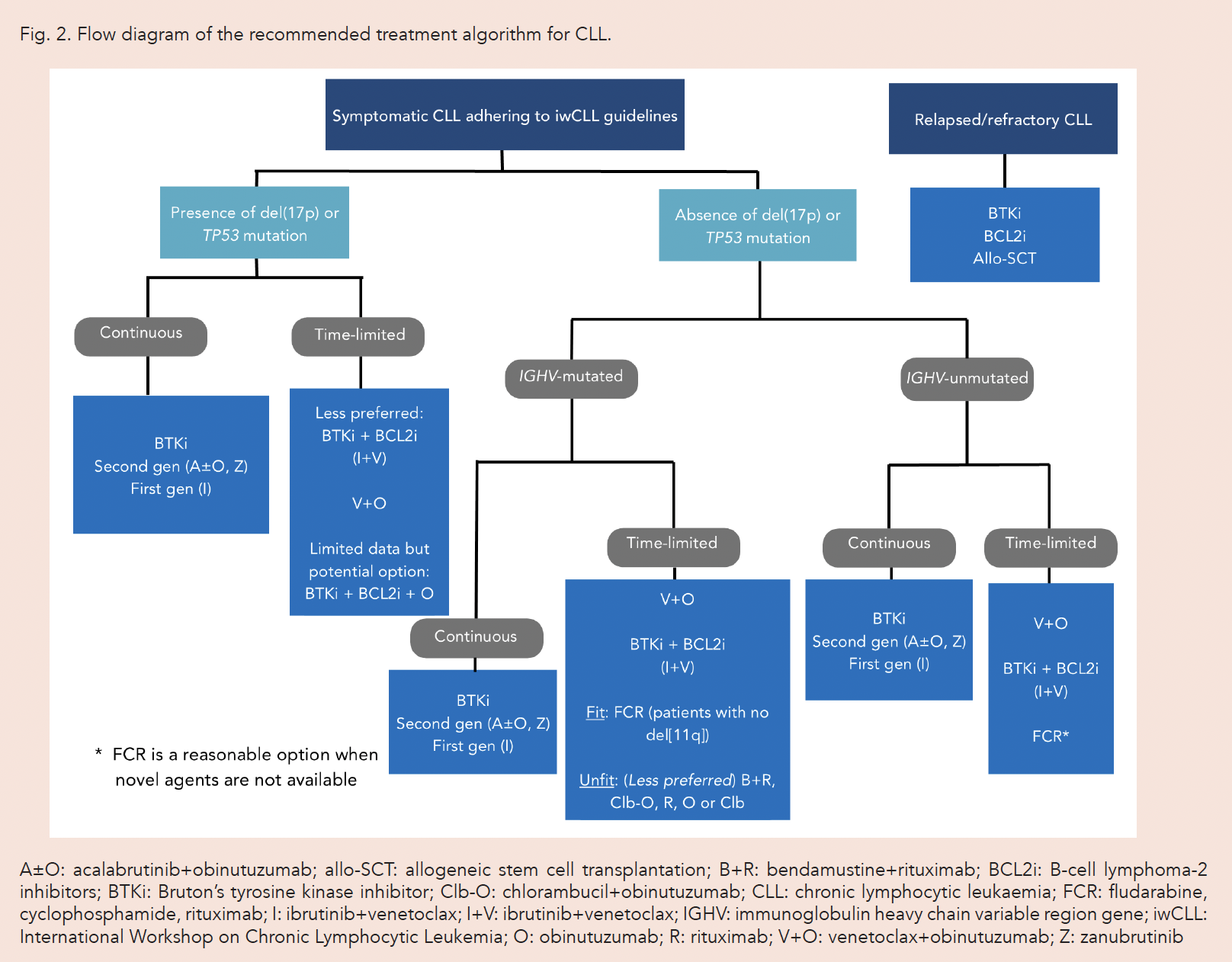
- Allo-SCT remains a consideration for fit patients with no access to CAR-T cell therapy and refractory to both BTKi and BCL2i (Fig. 2).
Management
Response monitoring and risk stratification
Treatment response monitoring should follow the iwCLL guidelines for response assessment, which provides definitions for complete remission, partial remission, stable disease, and progression based on clinical examination, blood counts, marrow evaluation and lymph node/spleen size.12 Using iwCLL response guidelines in routine monitoring allows clinicians to objectively track disease status and make comparisons across studies.
Risk stratification in CLL is driven by key biological prognostic factors. The most relevant parameters for predicting outcomes are the IGHV mutational status, the serum β2-microglobulin (β2M) level and any disruption of the TP53 gene (either deletion 17p or TP53 mutation).12 Applying iwCLL response criteria and incorporating IGHV, β2M and TP53 status into risk stratification represents current best practice in monitoring and prognostication.
Role of MRD
The expert panel agreed that current evidence is insufficient to use an MRD-driven approach in standard practice outside of clinical trials. While undetectable MRD is a valuable research endpoint, it has not been proven that altering therapy based on MRD (such as stopping or extending treatment) improves patient outcomes in the real-world setting. Further research and follow-up are needed to determine its role in routine clinical practice, both for prognostication and for guiding treatment decisions, before use in routine clinical practice.98,99
Therapy-specific monitoring
Each targeted agent used in CLL requires tailored monitoring strategies due to distinct toxicity profiles. Patients on BTKi therapy (e.g. ibrutinib or acalabrutinib) should be monitored closely for cardiovascular and bleeding complications. Atrial fibrillation occurs in 6–16% of cases and may reach 30% with prolonged exposure. Regular pulse and blood pressure monitoring, electrocardiograms and vigilance for symptoms such as palpitations or dyspnoea are essential. BTKis also impair platelet function, increasing the risk of minor and major bleeding. Concomitant use of anticoagulants or antiplatelet agents should be approached with caution. Life-threatening arrhythmias or a history of ventricular tachycardia may warrant discontinuation or switching to alternative therapies.96,100,101 BTKi therapy, especially ibrutinib, should also generally be avoided in patients with poorly controlled hypertension and those with a history of heart failure.37,96 Overall, long-term BTKi therapy should be accompanied by proactive cardiovascular and bleeding surveillance.
Venetoclax carries a significant risk of tumour lysis syndrome, especially during initiation. A 5-week dose ramp-up with close biochemical monitoring is standard, guided by tumour burden risk stratification.102 Patients may require pre-emptive hospitalisation or outpatient blood tests at 6–8 and 24 hours post-dose. Prophylaxis with hydration and uric acid-lowering agents is recommended. In addition to tumour lysis syndrome, venetoclax is associated with high rates of cytopenias, particularly grade ≥3 neutropenia in approximately 40% of patients.103,104 Full blood counts should be monitored regularly, especially during the initial treatment cycles. Supportive measures, such as granulocyte colony-stimulating factor and dose adjustments, may be necessary. Safe administration of venetoclax requires careful tumour lysis syndrome prevention and ongoing monitoring for haematologic toxicity.
Management of autoimmune cytopenias
Autoimmune cytopenias (AIC), including autoimmune haemolytic anaemia and immune thrombocytopenia, affect approximately 5–10% of patients with CLL.105-107 First-line management involves immunosuppressive therapy, typically corticosteroids, with or without anti-CD20 monoclonal antibodies such as rituximab.108 This combination achieves high response rates, though remissions may be transient. The iwCLL guidelines recognise steroid-refractory AIC as an indication for initiating CLL-directed therapy, even in the absence of other progression criteria.12
In cases where AIC is R/R, targeted agents such as BTK inhibitors (e.g. ibrutinib) and BCL2 inhibitors (e.g. venetoclax) have demonstrated efficacy. Ibrutinib, alone or with rituximab, has shown high response rates and sustained remissions in steroid-refractory AIC, with most patients achieving transfusion independence within weeks.108 Venetoclax may also be considered in selected cases, particularly when BTKis are unsuitable.109 Ultimately, the resolution of refractory AICs often depends on effective control of the underlying CLL. A stepwise approach (beginning with immunosuppression and escalating to targeted CLL therapy when needed) remains the standard of care.
Panel recommendations for the management of CLL:
- Monitor treatment response according to iwCLL guidelines, integrating IGHV, β2-microglobulin and TP53 status into ongoing risk assessment.
- MRD testing should not be used to guide treatment outside clinical trials; its role in routine care remains investigational.
- Long-term BTKi therapy requires regular cardiovascular and bleeding risk assessment; avoid use in patients with prior ventricular arrhythmias or high cardiac risk where alternatives exist.
- Initiate venetoclax with strict tumour lysis syndrome risk stratification and monitoring protocols; manage cytopenias with supportive measures as needed.
- Autoimmune cytopenias should be treated initially with immunosuppression; escalate to targeted CLL therapy if refractory.
- Long-term follow-up should include vaccination, infection prophylaxis for high-risk groups, and screening for secondary malignancies and Richter transformation.
Fig. 2. Flow diagram of the recommended treatment algorithm for CLL.
CONCLUSION
These updated consensus recommendations provide a framework for optimising CLL management in the APAC region, integrating evolving evidence with local practice considerations. By addressing diagnosis, treatment selection, sequencing and long-term management, they aim to support consistent, evidence-informed care despite variable access to novel agents. Ongoing collaboration among clinicians, policymakers and industry stakeholders will be essential to improve access, reduce treatment costs, and ensure that therapeutic advances translate into equitable benefits for patients across the region.
Supplementary Material
Table S1. Summary of NCCN, iwCLL and ESMO guidelines.
REFERENCES
- Hallek M, Al-Sawaf Chronic lymphocytic leukemia: 2022 update on diagnostic and therapeutic procedures. Am J Hematol 2021;96:1679-705.
- Siddiqi Chronic Lymphocytic Leukemia (CLL): Biology and Therapy. In: Chronic Lymphocytic Leukemia. Springer; 2021:133-49.
- Jain N, Wierda WG, O’Brien Chronic lymphocytic leukaemia. Lancet 2024;404:694-706.
- Sant M, Allemani C, Tereanu C, et al. Incidence of hematologic malignancies in Europe by morphologic subtype: results of the HAEMACARE project. Blood 2010;116:3724-34.
- Ou Y, Cui W, Jiang Y, et al. Trends in disease burden of chronic lymphocytic leukemia at the global, regional, and national levels from 1990 to 2019, and projections until 2030: a population-based epidemiologic study. Front Oncol 2022;12:
- Yan Y, Lu X, Wang J, et al. Comparative analysis of patients’ characteristics, treatment, and survival outcomes in CLL from China and the United States. Oncologist 2025;30:
- Marinelli M, Ilari C, Xia Y, et al. Immunoglobulin gene rearrangements in Chinese and Italian patients with chronic lymphocytic leukemia. Oncotarget 2016;7:20520-31.
- Yang SM, Li JY, Gale RP, et al. The mystery of chronic lymphocytic leukemia (CLL): why is it absent in Asians and what does this tell us about etiology, pathogenesis and biology? Blood Rev 2015;29:205-13.
- Yang S, Varghese AM, Xu W, et al. Ethnic and geographic diversity of chronic lymphocytic leukaemia. Leukemia 2021;35:433-9.
- Yi S, Li Z, Zou D, et al. High incidence of MYD88 and KMT2D mutations in Chinese with chronic lymphocytic leukemia. Leukemia 2021;35:2412-5.
- Tse E, Kim SJ, Cheah CY, et al. Expert consensus on the management of chronic lymphocytic leukaemia in Asia. Clin Exp Med 2023;23:2895-907.
- Hallek M, Cheson BD, Catovsky D, et al. iwCLL guidelines for diagnosis, indications for treatment, response assessment, and supportive management of CLL. Blood 2018;131:2745-60.
- Ahuja M, Aseltine R, Warren N, et al. Challenges faced with the implementation of web-based data query systems for population health: development of a questionnaire based on expert consensus. Pilot Feasibility Stud 2018;4:113.
- Hoechstetter MA, Wendtner Clinical trials in early-stage CLL: what has been learned and what’s next? Leuk Lymphoma 2025;66:378-88.
- Condoluci A, Terzi di Bergamo L, Langerbeins P, et al. International prognostic score for asymptomatic early-stage chronic lymphocytic leukemia. Blood 2020;135:1859-69.
- Eichhorst B, Robak T, Montserrat E, et al. Chronic lymphocytic leukaemia: ESMO Clinical Practice Guidelines for diagnosis, treatment and follow-up. Ann Oncol 2015;26:v78-84.
- Shadman Diagnosis and treatment of chronic lymphocytic leukemia: a review. JAMA 2023;329:918-32.
- Alshemmari SH, Alhuraiji A, Alotaibi S, et al. Evidence-based management of chronic lymphocytic leukemia: consensus statements from the Gulf Acta Haematol 2024;147:260-79.
- Herling CD, Cymbalista F, Groß-Ophoff-Müller C, et al. Early treatment with FCR versus watch and wait in patients with stage Binet A high-risk chronic lymphocytic leukemia (CLL): a randomized phase 3 trial. Leukemia 2020;34:2038-50.
- Langerbeins P, Zhang C, Robrecht S, et al. The CLL12 trial: ibrutinib vs placebo in treatment-naïve, early-stage chronic lymphocytic leukemia. Blood 2022;139:177-87.
- Eichhorst B, Ghia EHA endorsement of ESMO Clinical Practice Guidelines for diagnosis, treatment, and follow-up of chronic lymphocytic leukemia. HemaSphere 2021;5:e520.
- Malcikova J, Pavlova S, Kozumplíková K, et al. ERIC recommendations for TP53 mutation analysis in chronic lymphocytic leukemia—2024 update. Leukemia 2024;38:1455-68.
- Campo E, Cymbalista F, Caligaris-Cappio F, et al. TP53 aberrations in chronic lymphocytic leukemia: an overview of the clinical implications of improved diagnostics. Haematologica 2018;103:1956-68.
- Liu YC, Abou-Elella A, Bast M, et al. Chronic lymphocytic leukemia with TP53 gene alterations: a detailed clinicopathologic analysis. Mod Pathol 2020;33:344-53.
- Mato AR, Woyach JA, Brown JR, et al. A clinical practice comparison of patients with chronic lymphocytic leukemia with and without deletion 17p receiving first-line treatment with ibrutinib. Haematologica 2022;107:2630-40.
- Galieni P, Bigazzi C, Neri A, et al. Unmutated IGHV at diagnosis in patients with early stage CLL independently predicts for shorter follow-up time to first treatment (TTFT). Leuk Res 2024;143:
- Wu SJ, Huang SY, Lin CT, et al. Distinct molecular genetics of chronic lymphocytic leukemia in Taiwan: clinical and pathogenetic implications. Haematologica 2017;102:1085-90.
- Thompson PA, Bazinet A, Wierda WG, et al. Sustained remissions in CLL after frontline FCR treatment with very-long-term follow-up. Blood 2023;142:1784-88.
- Visentin A, Favretto F, Scomazzon E, et al. The complex karyotype landscape in chronic lymphocytic leukemia allows the refinement of the risk of Richter syndrome transformation. Haematologica 2022;107:868-76.
- Kranzler EC, Lim C, Mehta S, et al. Patient-reported communication with their health care team about new treatment options for chronic lymphocytic leukemia. J Patient Exp 2021;8:
- Karamanidou C, Xochelli A, Ghia P, et al. How do hematologists communicate with patients suffering from chronic lymphocytic leukemia? Eur J Health Commun 2021;2:110-35.
- Song Z, Wang Y, Xu L, et al. Evidence-based expert consensus on clinical management of safety of Bruton’s tyrosine kinase inhibitors (2024). Chin J Cancer Res 2024;36:240-56.
- Lipsky A, Lamanna Managing toxicities of Bruton tyrosine kinase inhibitors. Hematology Am Soc Hematol Educ Program 2020;2020:336-45.
- Jones JA, Hillmen P, Coutre S, et al. Use of anticoagulants and antiplatelet in patients with chronic lymphocytic leukaemia treated with single-agent ibrutinib. Br J Haematol 2017;178:286-91.
- Shatzel JJ, Olson SR, Tao DL, et al. Ibrutinib-associated bleeding: pathogenesis, management and risk reduction strategies. J Thromb Haemost 2017;15:835-47.
- Kuss B, Nagarajan C, Hsieh WS, et al. Practical management of chronic lymphocytic leukemia with acalabrutinib. Leuk Lymphoma 2022;63:2785-94.
- Lipsky A, Lamanna Managing toxicities of Bruton tyrosine kinase inhibitors. Hematology Am Soc Hematol Educ Program 2020;2020:336-45.
- Roeker LE, Gaballa M, Palomba ML, et al. Real-world comparative effectiveness of acalabrutinib and ibrutinib in patients with chronic lymphocytic leukemia. Blood Adv 2023;7:4291-301.
- Quartermaine C, Ghazi SM, Yanek LR, et al. Cardiovascular toxicities of BTK inhibitors in chronic lymphocytic leukemia. JACC CardioOncol 2023;5:570-90.
- Galitzia A, Maccaferri M, Mauro FR, et al. Chronic lymphocytic leukemia: management of adverse events in the era of targeted agents. Cancers (Basel) 2024;16:
- Byrd JC, Furman RR, Coutre SE, et al. Three-year follow-up of treatment-naïve and previously treated patients with CLL and SLL receiving single-agent ibrutinib. Blood 2015;125:2497-506.
- Paydas Management of adverse effects/toxicity of ibrutinib. Crit Rev Oncol Hematol 2019;136:56-63.
- Davids MS, Brander DM, Kim HT, et al. Phase II study of acalabrutinib, venetoclax, and obinutuzumab in a treatment-naïve chronic lymphocytic leukemia population enriched for high-risk disease. J Clin Oncol 2024. [Epub ahead of print]
- Fischer K, Al-Sawaf O, Bahlo J, et al. Venetoclax and obinutuzumab in patients with CLL and coexisting conditions. N Engl J Med 2019;380:2225-36.
- Tam CS, Brown JR, Kahl BS, et al. Zanubrutinib versus bendamustine and rituximab in untreated chronic lymphocytic leukaemia and small lymphocytic lymphoma (SEQUOIA): a randomised, controlled, phase 3 trial. Lancet Oncol 2022;23:1031-43.
- Sharman JP, Egyed M, Jurczak W, et al. Acalabrutinib ± obinutuzumab vs obinutuzumab + chlorambucil in treatment-naive chronic lymphocytic leukemia: 6-year follow-up of ELEVATE-TN. Blood 2023;142:636.
- Moreno C, Greil R, Demirkan F, et al. First-line treatment of chronic lymphocytic leukemia with ibrutinib plus obinutuzumab versus chlorambucil plus obinutuzumab: final analysis of the randomized, phase III iLLUMINATE trial. Haematologica 2022;107:2108-20.
- Woyach JA, Ruppert AS, Heerema NA, et al. Ibrutinib regimens versus chemoimmunotherapy in older patients with untreated CLL. N Engl J Med 2018;379:2517-28.
- Munir T, Cairns DA, Bloor A, et al. Chronic lymphocytic leukemia therapy guided by measurable residual disease. N Engl J Med 2024;390:326-37.
- Shanafelt TD, Wang XV, Hanson CA, et al. Long-term outcomes for ibrutinib-rituximab and chemoimmunotherapy in CLL: updated results of the E1912 trial. Blood 2022;140:112-20.
- Barr PM, Owen C, Robak T, et al. Up to 8-year follow-up from RESONATE-2: first-line ibrutinib treatment for patients with chronic lymphocytic leukemia. Blood Adv 2022;6:3440-50.
- Tam C, Thompson BTK inhibitors in CLL: second-generation drugs and beyond. Blood Adv 2024;8:2300-9.
- Byrd JC, Hillmen P, Ghia P, et al. Acalabrutinib versus ibrutinib in previously treated chronic lymphocytic leukemia: results of the first randomized phase III J Clin Oncol 2021;39:3441-52.
- Brown JR, Eichhorst B, Lamanna N, et al. Zanubrutinib or ibrutinib in relapsed or refractory chronic lymphocytic leukemia. N Engl J Med 2023;388:319-32.
- Munir T, Brown JR, O’Brien S, et al. Final analysis from RESONATE: up to six years of follow-up on ibrutinib in patients with previously treated chronic lymphocytic leukemia or small lymphocytic lymphoma. Am J Hematol 2019;94:1353-63.
- Mulligan SP, Tam CS, Opat S, et al. Ibrutinib use, treatment duration, and concomitant medications in Australian patients with relapsed or refractory chronic lymphocytic leukaemia. Br J Haematol 2022;198:790-3.
- Al-Sawaf O, Robrecht S, Zhang C, et al. Venetoclax-obinutuzumab for previously untreated chronic lymphocytic leukemia: 6-year results of the randomized phase 3 CLL14 study. Blood 2024;144:1924-35.
- Niemann CU, Munir T, Moreno C, et al. Fixed-duration ibrutinib-venetoclax versus chlorambucil-obinutuzumab in previously untreated chronic lymphocytic leukaemia (GLOW): 4-year follow-up from a multicentre, open-label, randomised, phase 3 trial. Lancet Oncol 2023;24:1423-33.
- Ghia P, Allan JN, Siddiqi T, et al. Final analysis of fixed-duration ibrutinib + venetoclax for chronic lymphocytic leukemia (CLL)/small lymphocytic lymphoma (SLL) in the phase 2 CAPTIVATE study. J Clin Oncol 2025;43:
- Tam CS, Allan JN, Siddiqi T, et al. Fixed-duration ibrutinib plus venetoclax for first-line treatment of CLL: primary analysis of the CAPTIVATE FD cohort. Blood 2022;139:3278-89.
- Al-Sawaf O, Robrecht S, Bahlo J, et al. Fixed-duration versus continuous treatment for chronic lymphocytic leukemia. N Engl J Med 2025. [Epub ahead of print]
- Bosch F, Rossi D, Bastida JM, et al. Building a network of TP53 and IGHV testing reference centers across Spain: the Red53 initiative. Ann Hematol 2021;100:825-30.
- Visentin A, Carrier M, Giannarelli D, et al. The combination of complex karyotype subtypes and IGHV mutational status identifies new prognostic and predictive groups in chronic lymphocytic leukaemia. Br J Cancer 2019;121:150-6.
- González-Gascón-y-Marín I, Muñoz-Novas C, Figueroa I, et al. From biomarkers to models in the changing landscape of chronic lymphocytic leukemia: evolve or become extinct. Cancers (Basel) 2021;13:
- Soumerai JD, Barrientos JC, Ahn IE, et al. Consensus recommendations from the 2024 Lymphoma Research Foundation workshop on treatment selection and sequencing in CLL or SLL. Blood Adv 2025;9:1213-29.
- Anderson MA, Tam C, Yip SF, et al. Chronic lymphocytic leukaemia Australasian consensus practice statement. Intern Med J 2023;53:1678-91.
- Odetola O, Ma Relapsed/refractory chronic lymphocytic leukemia (CLL). Curr Hematol Malig Rep 2023;18:130-43.
- Ghia P, Pluta A, Wach M, et al. Acalabrutinib versus investigator’s choice in relapsed/refractory chronic lymphocytic leukemia: final ASCEND trial results. HemaSphere 2022;6:e801.
- Hampel PJ, Rabe KG, Tschumper RC, et al. Clinical outcomes in patients with chronic lymphocytic leukemia with disease progression on ibrutinib. Blood Cancer J 2022;12:124.
- Kater AP, Owen C, Moreno C, et al. The MURANO study: final analysis and retreatment/crossover substudy results of VenR for patients with relapsed/refractory CLL. Blood 2025;145:2733-45.
- Kater AP, Wu JQ, Kipps T, et al. Venetoclax plus rituximab in relapsed chronic lymphocytic leukemia: 4-year results and evaluation of impact of genomic complexity and gene mutations from the MURANO phase III J Clin Oncol 2020;38:4042-54.
- Thompson PA, Tam CS, O’Brien SM, et al. Fludarabine, cyclophosphamide, and rituximab treatment achieves long-term disease-free survival in IGHV-mutated chronic lymphocytic leukemia. Blood 2016;127:303-9.
- Lei MM, Chukwueke CC, Mutyala A, et al. Real-world evidence of obinutuzumab and venetoclax in previously treated patients with chronic lymphocytic leukemia or small lymphocytic lymphoma. Leuk Lymphoma 2024;65:653-9.
- Stilgenbauer S, Eichhorst B, Schetelig J, et al. Venetoclax for patients with chronic lymphocytic leukemia with 17p deletion: results from the full population of a phase II pivotal trial. J Clin Oncol 2018;36:1973-80.
- Zhou K, Jiang B, Sha R, et al. Updated efficacy and safety results of lisaftoclax (APG-2575) in patients with heavily pretreated chronic lymphocytic leukemia (CLL): pooled analyses of two clinical trials. Blood 2023;142:
- Hampel PJ, Chanan-Khan A, Ding W, et al. Disease flare during temporary interruption of ibrutinib therapy in patients with chronic lymphocytic leukemia. Oncologist 2020;25:974-80.
- National Library of Medicine. Study to assess change in disease activity and adverse events of oral venetoclax with intravenous (IV) obinutuzumab in adult participants with recurring chronic lymphocytic leukemia (CLL) (ReVenG). ClinicalTrials.gov identifier: NCT04895436. https://clinicaltrials.gov/study/NCT04895436. Accessed 4 August
- Ravikrishnan J, Desai P, Yuan H, et al. LP-118 is a novel BCL-2/BCL-XL inhibitor that demonstrates efficacy in models of venetoclax-resistant chronic lymphocytic leukemia. Haematologica 2025;110:78-
- Mato AR, Roeker LE, Jacobs R, et al. Assessment of the efficacy of therapies following venetoclax discontinuation in CLL reveals BTK inhibition as an effective strategy. Clin Cancer Res 2020;26:3589-96.
- Lin VS, Lew TE, Handunnetti SM, et al. BTK inhibitor therapy is effective in patients with CLL resistant to venetoclax. Blood 2020;135:2266-70.
- Shah NN, Ghosh N, Patel K, et al. Efficacy and safety of the Bruton’s tyrosine kinase (BTK) degrader NX-5948 in patients with relapsed/refractory (R/R) chronic lymphocytic leukemia (CLL): updated results from an ongoing phase 1a/b Blood 2024;144:884.
- Thompson MC, Mato AR, Pagel JM, et al. Preliminary efficacy and safety of the Bruton tyrosine kinase degrader BGB-16673 in patients with relapsed or refractory chronic lymphocytic leukemia/small lymphocytic lymphoma: results from the phase 1 CaDAnCe-101 Blood 2024;144:885.
- Danilov A, Siddiqi T, Kater AP, et al. Epcoritamab monotherapy in patients with relapsed or refractory (R/R) chronic lymphocytic leukemia (CLL): results from CLL expansion and optimization cohorts of Epcore CLL-1. Blood 2024;144:
- Sportoletti P, Scortechini I, Falzetti F, et al. Patients’ preferences for chronic lymphocytic leukemia treatment: the CHOICE study. Hematol Oncol 2024;42:e3216.
- Ravelo A, Bhatt M, Benson W, et al. Understanding patient preferences for chronic lymphocytic leukemia treatments. Blood 2022;140:10803-5.
- Roeker LE, Woyach JA, Ghia P, et al. Fixed-duration pirtobrutinib plus venetoclax with or without rituximab in relapsed/refractory CLL: the phase 1b BRUIN trial. Blood 2024;144:1374-
- Zygmunciak P, Robak T, Puła Treatment of double-refractory chronic lymphocytic leukemia—an unmet clinical need. Int J Mol Sci 2024;25:1589.
- Bennett R, Seymour Update on the management of relapsed/refractory chronic lymphocytic leukemia. Blood Cancer J 2024;14:33.
- Kater AP, Siddiqi Relapsed/refractory CLL: the role of allo-SCT, CAR-T, and T-cell engagers. Hematology Am Soc Hematol Educ Program 2024;2024:474-81.
- Mak JWY, Law AWH, Law KWT, et al. Prevention and management of hepatitis B virus reactivation in patients with hematological malignancies in the targeted therapy era. World J Gastroenterol 2023;29:4942-61.
- Mikulska M, Lanini S, Gudiol C, et al. Prevention and management of infectious complications in patients with chronic lymphocytic leukemia (CLL) treated with BTK and BCL-2 inhibitors, focus on current guidelines. Blood Rev 2024;65:
- Cao X, Wang Y, Li P, et al. HBV reactivation during the treatment of non-Hodgkin lymphoma and management strategies. Front Oncol 2021;11:
- Agudelo Higuita NI, Gutierrez L, Villavicencio-Alvarez ME, et al. Risk of invasive fungal infections in patients with chronic lymphocytic leukemia treated with Bruton tyrosine kinase inhibitors: a case-control propensity score-matched analysis. Open Forum Infect Dis 2024;11:
- Tham K, Prelewicz S, deHoll S, et al. Infectious complications among patients receiving ibrutinib for the treatment of hematological malignancies. Am J Health Syst Pharm 2024;81:112-9.
- Compagno N, Malipiero G, Cinetto F, et al. Immunoglobulin replacement therapy in secondary hypogammaglobulinemia. Front Immunol 2014;5:626.
- Awan FT, Addison D, Alfraih F, et al. International consensus statement on the management of cardiovascular risk of Bruton’s tyrosine kinase inhibitors in CLL. Blood Adv 2022;6:5516-25.
- Kósa F, Rozsa D, Szász R, et al. Secondary malignancies and survival of FCR-treated patients with chronic lymphocytic leukemia in Central Europe. Cancer Med 2023;12:1961-71.
- Wierda WG, Rawstron A, Cymbalista F, et al. Measurable residual disease in chronic lymphocytic leukemia: expert review and consensus recommendations. Leukemia 2021;35:3059-
- Rhodes JM, Lopez CA, Barrientos MRD-directed therapy in CLL: ready for prime time? Hematology Am Soc Hematol Educ Program 2023;2023:413-20.
- Pellegrini L, Novak U, Andres M, et al. Risk of bleeding complications and atrial fibrillation associated with ibrutinib treatment: a systematic review and meta-analysis. Crit Rev Oncol Hematol 2021;159:103238.
- O’Brien SM, Hillmen P, Ghia P, et al. Monitoring and managing BTK inhibitor treatment-related adverse events in clinical practice. Front Oncol 2021;11:
- Gribben Practical management of tumour lysis syndrome in venetoclax-treated patients with chronic lymphocytic leukaemia. Br J Haematol 2020;188:844-51.
- Cheson BD, Heitner Enschede S, Cerri E, et al. Tumor lysis syndrome in chronic lymphocytic leukemia with novel targeted agents. Oncologist 2017;22:1283-91.
- Fischer K, Al-Sawaf O, Hallek Preventing and monitoring for tumor lysis syndrome and other toxicities of venetoclax during treatment of chronic lymphocytic leukemia. Hematology Am Soc Hematol Educ Program 2020;357-62.
- Visco C, Barcellini W, Maura F, et al. Autoimmune cytopenias in chronic lymphocytic leukemia. Am J Hematol 2014;89:1055-62.
- Vitale C, Salvetti C, Griggio V, et al. Autoimmune complications in chronic lymphocytic leukemia in the era of targeted drugs. Cancers (Basel) 2020;12:282.
- Tsang M, Parikh A concise review of autoimmune cytopenias in chronic lymphocytic leukemia. Curr Hematol Malig Rep 2017;12:29-38.
- Nikitin E, Viskova A, Nikulina E, et al. Ibrutinib in combination with rituximab is highly effective in treatment of chronic lymphocytic leukemia patients with steroid refractory and relapsed autoimmune cytopenias. Leukemia 2023;37:1464-73.
- Galindo-Navarro P, Delgado-García A, Rodríguez-Gil MA, et al. Venetoclax for treating refractory autoimmune hemolytic anemia in chronic lymphocytic leukemia: report of two cases in Spain. Haematologica 2023;108:2261-4.
Not applicable; this work is a consensus statement based solely on literature review and Delphi consensus process, with no involvement of human subjects or patient data.
Constantine Tam received honoraria from BeiGene, Janssen, AstraZeneca, AbbVie and LOXO. Stephen Mulligan provided advisory and speaker services for Janssen, BeiGene, AstraZeneca and Roche. All other authors declare that they have no competing interests or direct funding to disclose in relation to the subject matter or materials discussed in this manuscript.
Prof Yeow Tee Goh, Department of Haematology, Singapore General Hospital, Singapore. Email: [email protected]
