

ABSTRACT
Musculoskeletal disorders are a leading cause of disability, particularly among the elderly. Despite growing awareness, care for these conditions remains episodic and poorly integrated across the care continuum. This is driven by 3 key systemic disconnects: between biomedical and psychosocial care, between reactive and preventive approaches, and between research, practice and policy. These disconnects have led to fragmented, short-term responses, resulting in suboptimal outcomes and missed opportunities for early intervention, functional preservation and long-term independence, especially for the ageing population. Addressing them requires a shift in approach that incorporates psychosocial assessment into routine care, prioritises preventive strategies that build intrinsic capacity, and supports investment in implementation science, capacity building and cross-sector collaboration. Ultimately, musculoskeletal healthcare must be treated as a core element of chronic disease management, integrated within a broader framework that addresses non-communicable diseases rather than treating it in isolation. Moreover, a holistic, person-centred approach is essential—one that integrates preventive care, rehabilitation and social support, backed by policies that promote long-term, coordinated care. This comprehensive approach, which aligns all stakeholders, can help prevent avoidable outcomes, enhance patient autonomy and reduce societal costs.
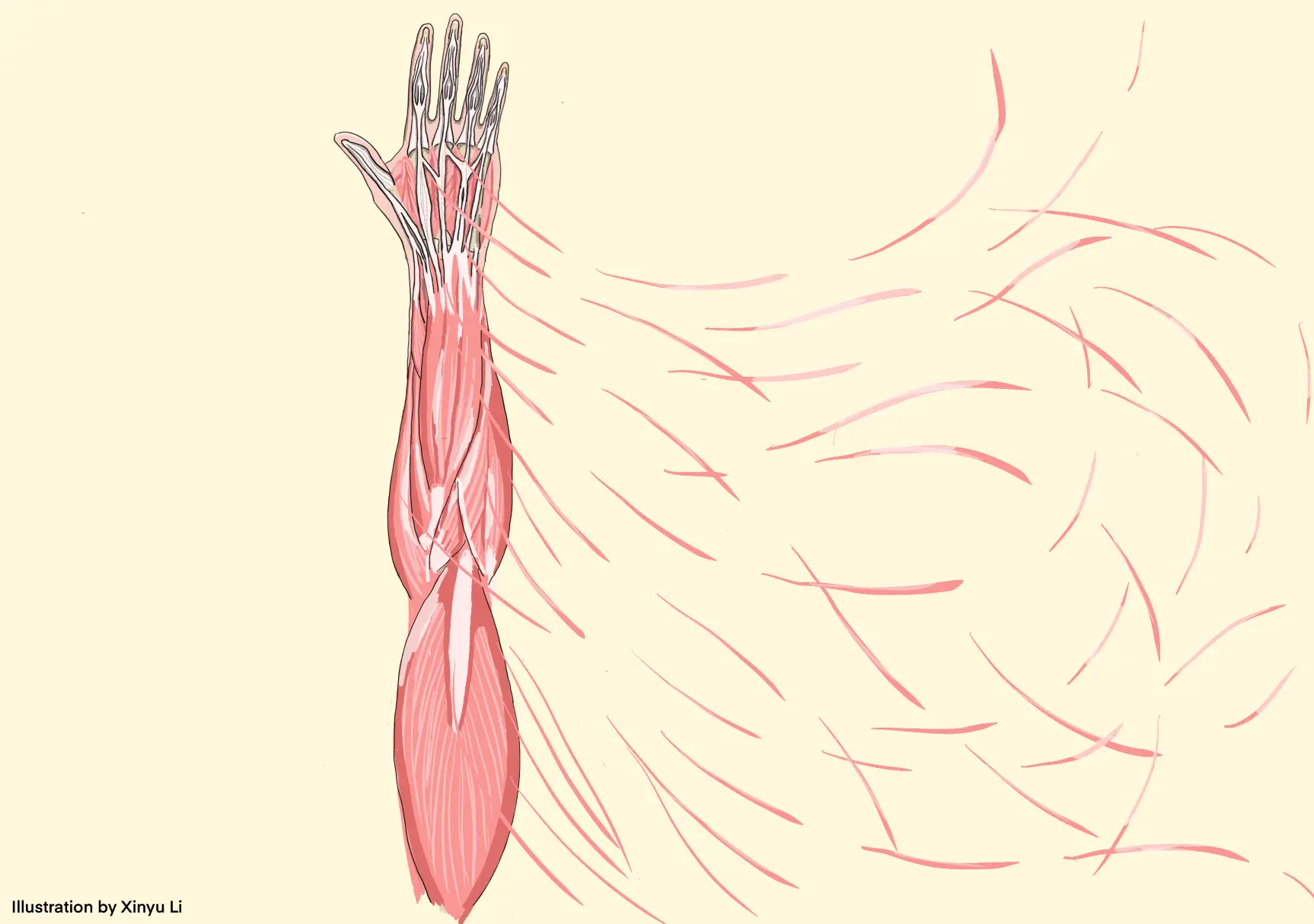
Globally, musculoskeletal disorders are the second leading cause of non-fatal disability, affecting more than 1.63 billion people.1 Conditions such as osteoarthritis, osteoporosis, sarcopenia, low back pain and other degenerative disorders are particularly prevalent among the elderly and are often intertwined with multimorbidity, disability and social vulnerability.2 Although these conditions are recognised as predictors of adverse outcomes and despite growing awareness of their complexity, care remains episodic, acute-focused and poorly integrated across the primary-to-tertiary continuum, especially in developing countries where occupational risks and longer workweeks exacerbate musculoskeletal disability-adjusted life years.3 This struggle stems from 3 critical systemic disconnects: a disconnect between biomedical and psychosocial intervention strategies, a disconnect between reactive/episodic and preventive care, and a disconnect between research, practice and policy. Each of these disconnects have led to fragmented, short-term responses that contributes to suboptimal outcomes and missed opportunities for early intervention, functional preservation and long-term independence of the ageing population.
Disconnect 1: Biomedical versus psychosocial interventions
Clinical assessments and treatment protocols for chronic musculoskeletal conditions typically emphasise anatomical, biomechanical and physiological factors. This approach, while essential for diagnosis and medical management, often neglects the social, emotional and environmental determinants of health that significantly influence recovery and long-term function.4 Modern healthcare systems invest significantly in uncovering the molecular and cellular underpinnings of disease. Cutting-edge studies delve deep into genomics, proteomics and metabolomics to better understand disease pathways. However, equivalent attention is rarely paid to psychosocial dynamics, such as the influence of depression, anxiety, caregiver support or socioeconomic status on recovery and function. This biomedical skew leaves a crucial gap in delivering truly comprehensive, patient-centred care. To close this gap, healthcare systems must embrace a broader paradigm, one that embeds psychosocial assessment into routine musculoskeletal care. This includes integrating validated tools for mental health screening, deploying social prescribing models to connect patients with community resources, evaluating built environment barriers to physical activity, and designing behavioural change interventions that support sustained lifestyle improvements.5–8
Several validated instruments are available to support comprehensive psychosocial assessment. Psychological factors such as fear of movement, balance confidence, coping, self-efficacy and catastrophising can be evaluated using tools like the Tampa Scale of Kinesiophobia, the Fear-Avoidance Beliefs Questionnaire, the Activities-specific Balance Confidence Scale, the Pain Catastrophizing Scale, and the Pain Self-Efficacy Questionnaire.9,10 Social factors, including social support and isolation, may be measured with instruments such as the Lubben Social Network Scale, the Multidimensional Scale of Perceived Social Support and the Patient-Reported Outcomes Measurement Information System social health measures.11 This list includes instruments locally validated in Singapore and is illustrative, not exhaustive, as many others remain validated in different contexts. The integration of these tools into routine assessment should not be seen as optional but as essential. Embedding such multidimensional strategies within musculoskeletal care pathways enhances the responsiveness of services to real-world needs and contributes to improved patient engagement, satisfaction and clinical outcomes.
Disconnect 2: Reactive versus preventive care
A second, equally pressing disconnect is the one between reactive and preventive care, which results in delayed interventions—particularly concerning for the elderly—as they miss the window for preserving function and independence.12 Current models still prioritise short-term fixes, addressing musculoskeletal disorders only after patients present with significant pain, disability or injury. This reactive approach limits the scope of meaningful intervention, burdens healthcare systems with preventable complications and loss of function. Yet, musculoskeletal deterioration is not an inevitable consequence of ageing—it is modifiable. Preventive interventions have shown clear benefits in delaying or even reversing its progression. Multicomponent intervention programmes that include exercise, balance training, nutritional support, weight management, cognitive stimulation and social engagement have demonstrated the potential to build intrinsic capacity, preserve muscle strength, maintain joint mobility and sustain overall physical function, thereby slowing musculoskeletal decline.13,14 For such preventive models to succeed, they must be integrated into primary care and community health frameworks, tailored to local cultural and socioeconomic contexts, and made accessible to people across all stages of life. A life course approach to musculoskeletal health, starting in early adulthood and continuing into older age, can help build resilience, lower the risk of disabling conditions and support healthy ageing.15 Moving the focus upstream from treatment to prevention is not only a clinical necessity but also an ethical responsibility, aligned with the values of equity, dignity and sustainable healthcare.
Disconnect 3: Research versus practice and policy
The third critical gap is the misalignment between research findings, real-world clinical practice and policy implementation. While the body of evidence on effective interventions for musculoskeletal disorders continues to grow, the translation of this knowledge into everyday healthcare settings remains slow and inconsistent.16 Academic research is often conducted in controlled environments with carefully selected populations, which limits generalisability. Meanwhile, clinical settings face constraints such as workforce shortages, time limitations and lack of resources, making it difficult to apply evidence-based practices consistently. On the other hand, group-based interventions, although offering advantages such as scalability, cost-effectiveness and peer support, remain underutilised due to factors such as perceived lower effectiveness and cultural preferences, which can be addressed through targeted education and awareness efforts.17 Policies that acknowledge these burdens of musculoskeletal disorders are a welcome start.18 However, many of these policies lack enforceable strategies, adequate funding or alignment with frontline practice realities. Bridging this gap requires investment in implementation science, clinical decision support systems, workforce capacity building and cross-sector collaboration. Real-world models such as care pathways designed to promote evidence-based and guideline-driven care, show how systematic approaches can drive systems-level change and inform practice.19 These models can be scaled and adapted to diverse health system contexts when supported by policies that incentivise integration, promote preventive care and prioritise patient-reported outcomes. Strategic collaboration across sectors such as healthcare, urban planning, social services and education can also help break down the silos that hinder coordinated care.
Towards a unified musculoskeletal care ecosystem
Addressing the global burden of musculoskeletal disorders among the elderly requires a radical reimagining of care models—one that brings together primary care, occupational health and safety, hospital services, rehabilitation, social support, community engagement and supportive cross-sector policies into a seamless, person-centred ecosystem. Emerging technologies such as artificial intelligence, predictive analytics and precision health can support this transformation by enabling early identification of risk, personalised care planning and real-time monitoring of outcomes. However, technology alone is not the solution. The deeper transformation lies in redefining musculoskeletal healthcare as a core element of chronic disease management and ageing policy.20 Musculoskeletal health should not be dealt with in isolation but integrated within the broader continuum of strategies addressing non-communicable diseases. This approach can reduce redundancies, streamline services and ensure timely interventions, ultimately improving patient autonomy and reducing the long-term societal costs of disability. To realise this vision, governments and institutions must align funding mechanisms, workforce development and policy frameworks around a shared commitment to prevention, integration, and person-centred care. It is essential to bring together all stakeholders, including researchers, doctors, physiotherapists, occupational therapists, psychologists, social workers, administrators and policymakers, so they understand the disconnects and actively work together towards solutions. The time to bridge these systemic disconnects in musculoskeletal care continuum is now, not only for improved outcomes but to sustainably support the growing ageing population.
REFERENCES
- GBD 2017 Disease and Injury Incidence and Prevalence Collaborators. Global, regional, and national incidence, prevalence, and years lived with disability for 354 diseases and injuries for 195 countries and territories, 1990-2017: a systematic analysis for the Global Burden of Disease Study 2017. Lancet 2018;392:1789-858.
- Rajovic N, Zagorac S, Cirkovic A, et al. Musculoskeletal Diseases as the Most Prevalent Component of Multimorbidity: A Population-Based Study. J Clin Med 2024;13:3089.
- Liu S, Wang B, Fan S, et al. Global burden of musculoskeletal disorders and attributable factors in 204 countries and territories: a secondary analysis of the Global Burden of Disease 2019 study. BMJ Open 2022;12:e062183.
- Menzel NN. Psychosocial factors in musculoskeletal disorders. Crit Care Nurs Clin North Am 2007;19:145-53.
- Tan BY, Goff A, Lang KV, et al. Psychosocial factors in knee osteoarthritis: Scoping review of evidence and future opportunities. Osteoarthritis Cartilage 2024; 32:1327-38.
- Yeo JY, Lim CJ, Yang SY, et al. How Does Shame Relate to Clinical and Psychosocial Outcomes in Knee Osteoarthritis? Clin Orthop Relat Res 2025;483:558-70.
- Sahrin R, Ng CJY, Lim CJ, et al. Exploring the role of the built environment and psychosocial mediators on knee function in knee osteoarthritis patients in Singapore: a cross-sectional study. BMJ Open 2024;14:e082625.
- Tan BY, Yang S-Y, Pereira MJ, et al. Collaborative model of care between orthopaedics and allied healthcare professionals (CONNACT) in knee osteoarthritis: Effectiveness-implementation hybrid randomized controlled trial of a community-based, multidisciplinary, stratified intervention. Osteoarthritis Cartilage 2024; 32:972-81.
- Sleijser-Koehorst ML, Bijker L, Cuijpers P, et al. Preferred self-administered questionnaires to assess fear of movement, coping, self-efficacy, and catastrophizing in patients with musculoskeletal pain—A modified Delphi study. Pain 2018;160:600-6.
- Powell LE, Myers AM. The Activities-specific Balance Confidence (ABC) Scale. J Gerontol A Biol Sci Med Sci 1995;50A:M28-34.
- Dewan N, Sommerlad A, Chapman H, et al. Assessing social connection for long‐term care home residents: Systematic review using COnsensus‐based Standards for the selection of health Measurement INstruments guidelines. Alzheimers Dement (NY) 2024;10:e12492.
- Levine S, Malone E, Lekiachvili A, et al. Health Care Industry Insights: Why the Use of Preventive Services Is Still Low. Prev Chronic Dis 2019;16:E30.
- Fourteau M, Virecoulon Giudici K, Rolland Y, et al. Associations Between Multidomain Lifestyle Interventions and Intrinsic Capacity Domains During Aging: A Narrative Review. JAR Life 2020;9:16-25.
- Xu T, Tok R, Tay YY, et al. Long-term effectiveness of a multicomponent frailty management program in Singapore: One-year preliminary findings of a cluster-randomised controlled trial. Archives of Gerontology and Geriatrics Plus 2025;2:100157.
- Tan BY, Phua AIH, Ho IWF, et al. Taking a life-course and integrated approach to musculoskeletal and physical health in Singapore.2025;doi: J Integr Care 2024;33:36-50.
- Jansen MW, van Oers HA, Kok G, et al. Public health: disconnections between policy, practice and research. Health Res Policy Syst 2010;8:37.
- Maricar N, Yeowell G, David T, et al. Barriers and enablers to engagement in exercise and physical activity in non-English speaking South Asian people with chronic musculoskeletal disease. BMC Rheumatol 2024;8:12.
- Tavassoli N, de Souto Barreto P, Berbon C, et al. Implementation of the WHO integrated care for older people (ICOPE) programme in clinical practice: a prospective study. Lancet Healthy Longev 2022;3:e394-404.
- Schrijvers G, van Hoorn A, Huiskes N. The care pathway: concepts and theories: an introduction. Int J Integr Care 2012;12:e192.
- Briggs AM, Woolf AD, Dreinhöfer K, et al. Reducing the global burden of musculoskeletal conditions. Bull World Health Organ 2018; 96:366-8.
Not applicable as no study participants are involved.
The author(s) declare there are no affiliations with or involvement in any organisation or entity with any financial interest in the subject matter or materials discussed in this manuscript.
Dr Arun-Kumar Kaliya-Perumal, Rehabilitation Research Institute of Singapore, 11 Mandalay Rd, #14-03 Clinical Sciences Building, Nanyang Technological University, Singapore 308232. Email: [email protected]
