

ABSTRACT
Introduction: Risk-based screening (RBS) has emerged as a promising alternative to age-based cancer screening. However, evidence regarding real-world implementation outcomes remains fragmented. Thus, a systematic review was conducted to evaluate the implementation methodologies and outcomes of RBS programmes across different cancer types.
Methods: MEDLINE, Embase, CINAHL, Web of Science, Cochrane Central Register of Controlled Trials and Scopus were systematically searched from their respective dates of inception up to 8 July 2024. Prospective and randomised controlled trials (RCTs), which implement the RBS of cancer in an asymptomatic population, or studies retrospectively evaluating the outcomes of the same were included. Geographic distribution, population characteristics, RBS methodology, diagnostic accuracy and clinical outcomes were narratively synthesised.
Results: Among the 33 included studies (i.e. 21 prospective cohort, 8 RCTs, 3 retrospective and 1 non-RCT), sample sizes ranged from 102 to 1,429,890 participants. Most RBS trials were conducted in China (n=7, 21.2%), followed by the Netherlands (n=4, 12.1%) then the US, Australia and Sweden (n=3, 9.8%). Studies predominantly examined colorectal (27.3%), breast (21.2%) and prostate cancer (18.2%). Three main stratification approaches emerged: algorithmic (48.5%), validated risk models (39.4%) and physician assessment (9.1%). Implementation outcomes showed higher uptake in moderate-risk (75.4%) compared to high-risk (71.3%) and low-risk groups (67.9%). Five studies demonstrated cost-effectiveness with increased quality-adjusted life years, while 12 studies showed superior or non-inferior cancer detection rates compared to traditional screening.
Conclusion: The RBS of cancer has the potential to optimise healthcare resource allocation while minimising harm and increasing receptiveness for patients. More work is needed to evaluate long-term outcomes prior to the scaling of RBS programmes.
CLINICAL IMPACT
What is New
- Risk-based screening (RBS), an emerging approach for the early detection of cancer, can lead to superior or non-inferior cancer detection rates compared to traditional screening with better cost-effectiveness and patient acceptability.
- Effective programmes were documented for common cancers, such as breast and cervical cancer, across different geographical regions.
Clinical Implications
- RBS can potentially optimise healthcare resource allocation while minimising harms from unnecessary screening.
- Long-term outcomes from large-scale programmes and participant experiences need to be evaluated before widespread RBS implementation.
Cancer remains one of the most significant public health burdens, with almost 20 million new cases and 9.7 million deaths attributable to cancer in 2022.1 The detection and diagnosis of cancer remain a challenge for clinicians, as approximately half of recorded cancers are only detected at the advanced stage.2,3 Late cancer diagnoses often translate to poor patient prognosis and limited therapeutic options with low curative potential.4,5 Thus, there is much interest in methods for the early detection of cancer to achieve better survivorship outcomes.
The objective of early detection is to confirm the presence of cancer or precancerous lesions in an individual at the earliest time to inform management. One approach is screening, where investigations are done proactively for an asymptomatic population to identify individuals with high-risk cancers for further evaluation, such as biopsy or prophylactic therapy.6 Organised cancer screening programmes at the state or national levels are often age-based, where all asymptomatic individuals are recommended for an investigation for a particular cancer at a specific frequency once they reach a certain age.7 However, recent studies have found that cancer incidence is rising among younger age groups,8-9 which precludes this increasingly at-risk population from current early detection strategies. Furthermore, age-based screening is agnostic to inter-individual risk profiles, which potentially reduce its diagnostic accuracy10 and increase screening harms associated with false positive results or overdiagnosis.11,12 Investigations with higher specificity or sensitivity are often associated with higher cost or invasiveness, such as colonoscopy for colorectal cancer and magnetic resonance imaging (MRI) for prostate cancer, which complicates population-wide adoption. Yet, lower-cost and non-invasive modalities, which may be easily implemented at a population level, are associated with lower sensitivity and/or specificity, such as urine prostate-specific antigen, which can lead to false positives and negatives.
One emerging solution is risk-based screening (RBS), where a detailed cancer risk profile of an individual is used to tailor screening recommendations, such as age of screening, screening modalities and frequency. Risk profiles can include indices, such as family history of malignancy, cancer-related biomarker levels, lifestyle, past medical history and socioeconomic status.13,14 Recent advances in genomic medicine have also incorporated polygenic risk scores (PRS) or single-nucleotide polymorphisms into these risk profiles. One example is the Breast and Ovarian Analysis of Disease Incidence and Carrier Estimation Algorithm (BOADICEA), which predicts the chances of a woman carrying breast or ovarian cancer susceptibility genes (e.g. BRCA1, BRCA2) and risk of developing such malignancies.15 The algorithm computes these probabilities by considering the family history of related cancers, the presence of high-risk gene variants, and associated lifestyle factors such as contraceptive use and mammographic density.15
Studies have shown that the implementation of BOADICEA and similar breast cancer risk models for RBS is cost-effective16 and acceptable17 among females. Although many in silico studies have been published on cancer risk prediction models, the evidence on the practical implementation of RBS remains limited. There have been RBS trials exploring the implementation of risk-based cancer screening, such as the Colorectal cancer RISk Prediction18 trial in Australia and the Stockholm Model 3 – Magnetic Resonance Imaging trial19 in Sweden for prostate cancer. Yet to date, no systematic review has been conducted to evaluate the effectiveness of RBS programmes beyond those for breast cancer20 and lung cancer.21 As such, the efficacy of RBS across different cancers and the range of methodologies employed have not been summarised. Thus, a systematic review was conducted to (1) summarise current RBS methodologies for each cancer among pragmatic trials; (2) evaluate the effectiveness in terms of accuracy, cost and patient acceptability of implemented RBS programmes; and (3) highlight potential equity gaps in such programmes.
METHODS
The systematic review was conducted with reference to the Cochrane Handbook for Systematic Reviews of Intervention22 and reported in accordance with the Preferred Reporting Items for Systematic Reviews and Meta-Analyses (PRISMA).23 The review was prospectively registered in the International Prospective Register of Systematic Reviews (CRD42024542831).
Search strategy
A systematic search was conducted on Embase and MEDLINE on the Ovid platform, PubMed, Scopus, Web of Science, Cochrane Central Register of Controlled Trials (CENTRAL) and CINAHL from their respective dates of inception to 8 July 2024. The search strategy comprised controlled search terms, such as “early detection of cancer”, “neoplasms” and “diagnostic screening programs.” Text terms relating to risk stratification, screening programmes and cancer were also incorporated. The strategy was piloted on PubMed, and further reviewed and refined by a medical information specialist. The strategy was then translated to other databases as befitting their native search syntax. The full search strategies can be found in Supplementary Table S1. A bibliometric search of the references of included studies was conducted for completeness.
Study selection and data extraction
Studies investigating the uptake and effectiveness of implemented RBS programmes among asymptomatic participants without a current diagnosis of the cancer being screened were included. The exclusion criteria included studies of paediatric patients, studies of in silico modelling of RBS outcomes, reviews of any kind, conference abstracts, letters and editorials. Title-abstracts retrieved with the aforementioned search strategies were uploaded to Covidence, a collaborative systematic review management platform. Two investigators (YYT and MFBF) independently screened the title-abstracts against the inclusion and exclusion criteria. Full-text papers were then retrieved and independently screened for inclusion by the investigators.
Data extraction was performed with data entered into a collaborative spreadsheet that was piloted on the first 3 studies. The extraction sheet was further refined after discussions among the investigators and deployed for the rest of the articles. Similar to study selection, data extraction was performed independently by the 2 investigators for each article (YYT and MFBF). Primary endpoints were the uptake of the initial risk stratification test and subsequent risk-informed procedures, and the diagnostic accuracy of RBS. Secondary endpoints included the participant acceptability of RBS, cost-effectiveness metrics and long-term mortality and morbidity outcomes.
Any disagreements at the study selection, data extraction and quality assessment stages were resolved via discussions between the investigators (YYT and MFBF). A third review author (ST) was consulted if no consensus was reached.
Quality assessment
The risk of bias of included studies was assessed independently by 2 investigators for each study (YYT and MFBF). Specifically, the Cochrane Risk-of-Bias 2 (RoB2) tool24 was used to assess randomised controlled trials (RCTs), while the Cochrane Risk Of Bias In Non-randomised Studies of Intervention (ROBINS-I) tool25 was used for prospective and retrospective cohort studies. Risk of bias was then visualised using the Risk-of-Bias VISualisation tool26 as traffic-light plots and summary plots.
Data synthesis
Due to the heterogeneous methods and outcomes reported as expected of implementation studies, a quantitative meta-analysis was not conducted. Instead, the outcomes were summarised with descriptive statistics, such as median, interquartile range (IQR) and mean proportions where appropriate. Narrative synthesis was conducted to summarise qualitative aspects of the study characteristics, risk stratification methodologies, follow-up interventions and evaluated outcomes.
RESULTS
The systematic database search for primary studies yielded 6412 citations, of which 770 were duplicates. Among the 5503 citations excluded, primary reasons for exclusion include the absence of implementation of real-world RBS programmes, RBS programmes that did not focus on cancer and inappropriate study designs. The full-texts of 139 citations were retrieved following the title-abstract sieve, of which 106 were excluded for reasons such as lacking real-world implementation of risk stratification or not reporting any outcomes. On searching the bibliography of the included articles, the full-text papers of 12 additional citations were retrieved, of which all were excluded from the review (Fig. 1).
Fig. 1. PRISMA flowchart of study selection.
Hence, 33 studies satisfied the inclusion criteria, and their data were extracted for evidence synthesis,18,19,27-57 and their characteristics are summarised in Table 1. Of the 33 studies, 21 studies were prospective cohort studies (63.6%),19,27,28,30-32,34-37,40,43,45,47,50-52,54-57 8 were RCTs (24.2%),18,33,38,39,41,46,49,53 3 were retrospective studies of previous or ongoing RBS programmes (9.1%),29,42,44 and 1 was a non-RCT (3.0%).48 The studies were published within a year range of 2008–2024. Most studies (n=22, 66.7%) were multicentre trials at a national level embedded within primary to tertiary care settings,18,19,27-29,31,34,36,41-44,46,48-51,53-56 while the remainder were single-centre screening trials (n=11, 33.3%).30,32,35,37-40,45,47,52,57 The sample size ranged from 102 participants in a single-centre trial50 to 1,429,890 participants in a nationwide cancer screening trial.29
Table 1. Summary of study characteristics.
The most common cancer to be evaluated for RBS was colorectal (n=9, 27.3%),18,33,38,43,45-47,51,53 followed by breast (n=7, 21.2%),29,31,32,35,36,40,48 then prostate (n=6, 18.2%).19,37,41,42,52,56 By region, most studies were conducted in Europe (n=16, 48.5%), followed by the Asia-Pacific (n=12, 36.4%) then North America (n=5, 15.2%). By country, most studies were conducted in China (n=7, 21.2%),27,30,45,51-54 followed by the Netherlands (n=4, 12.1%),28,37,44,46 Sweden,19,41,56 Australia18,33,50 and the US36,42,47 (both n=3, 9.1%, respectively) (Fig. 2). Of the studies with a comparator arm, 9 compared against standard care protocols,18,33,35,38,44,48,49,53,55 3 studies compared against a universal screening protocol,29,41,46 2 studies compared against no screening28,39 and 1 study compared against the population with average cancer risk.36
Fig. 2. Distribution of completed RBS programmes worldwide. 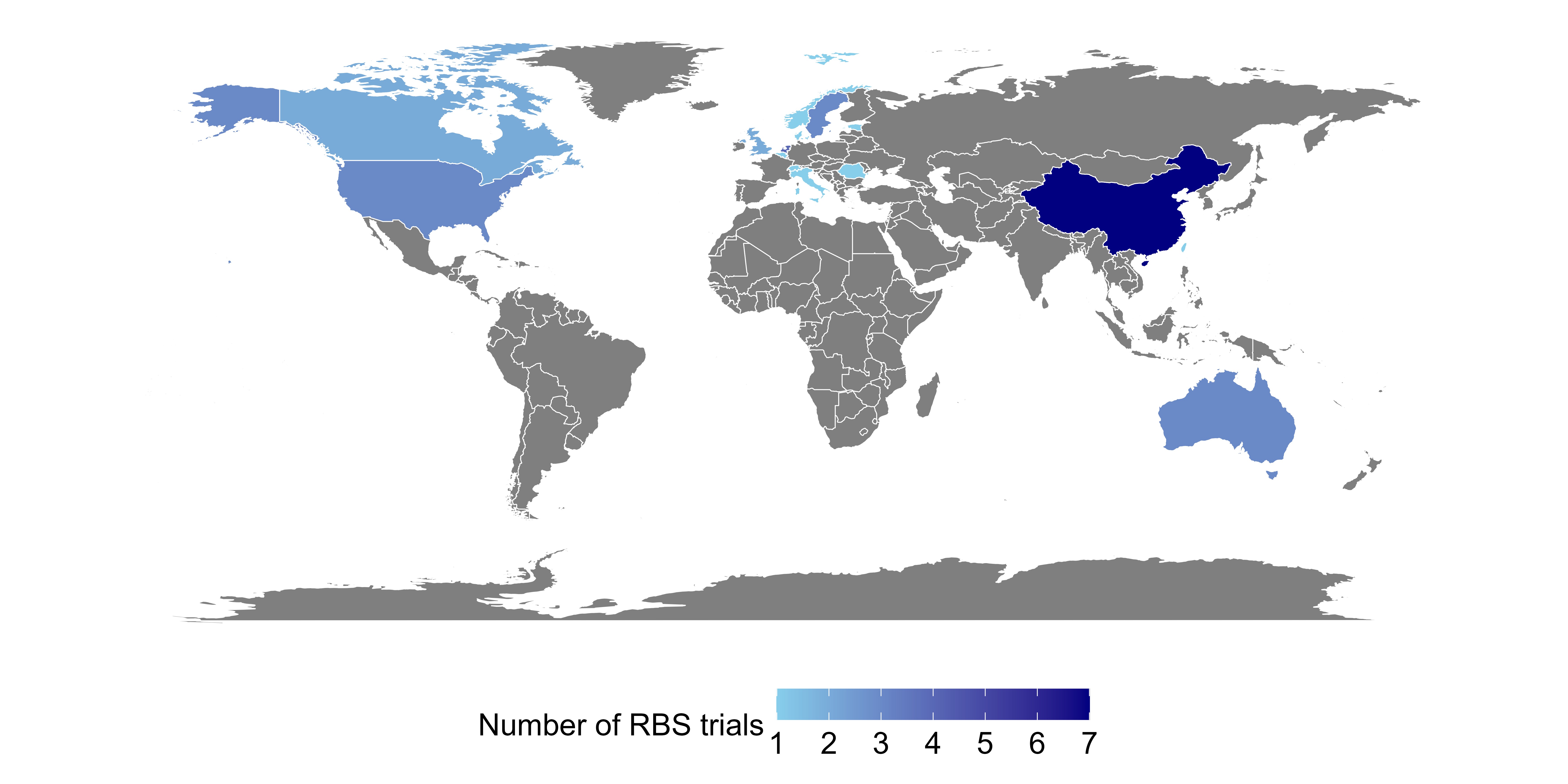 RBS: risk-based screening
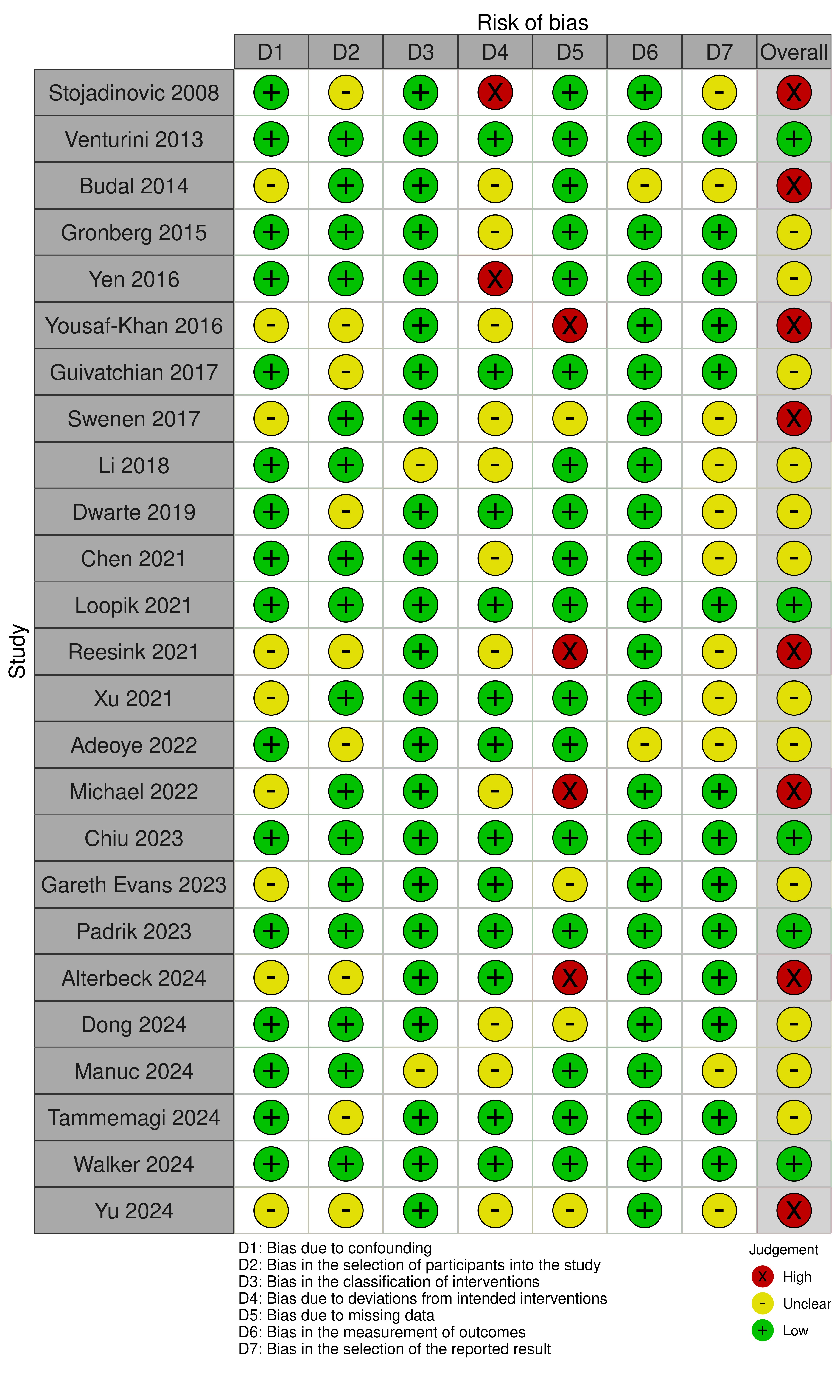
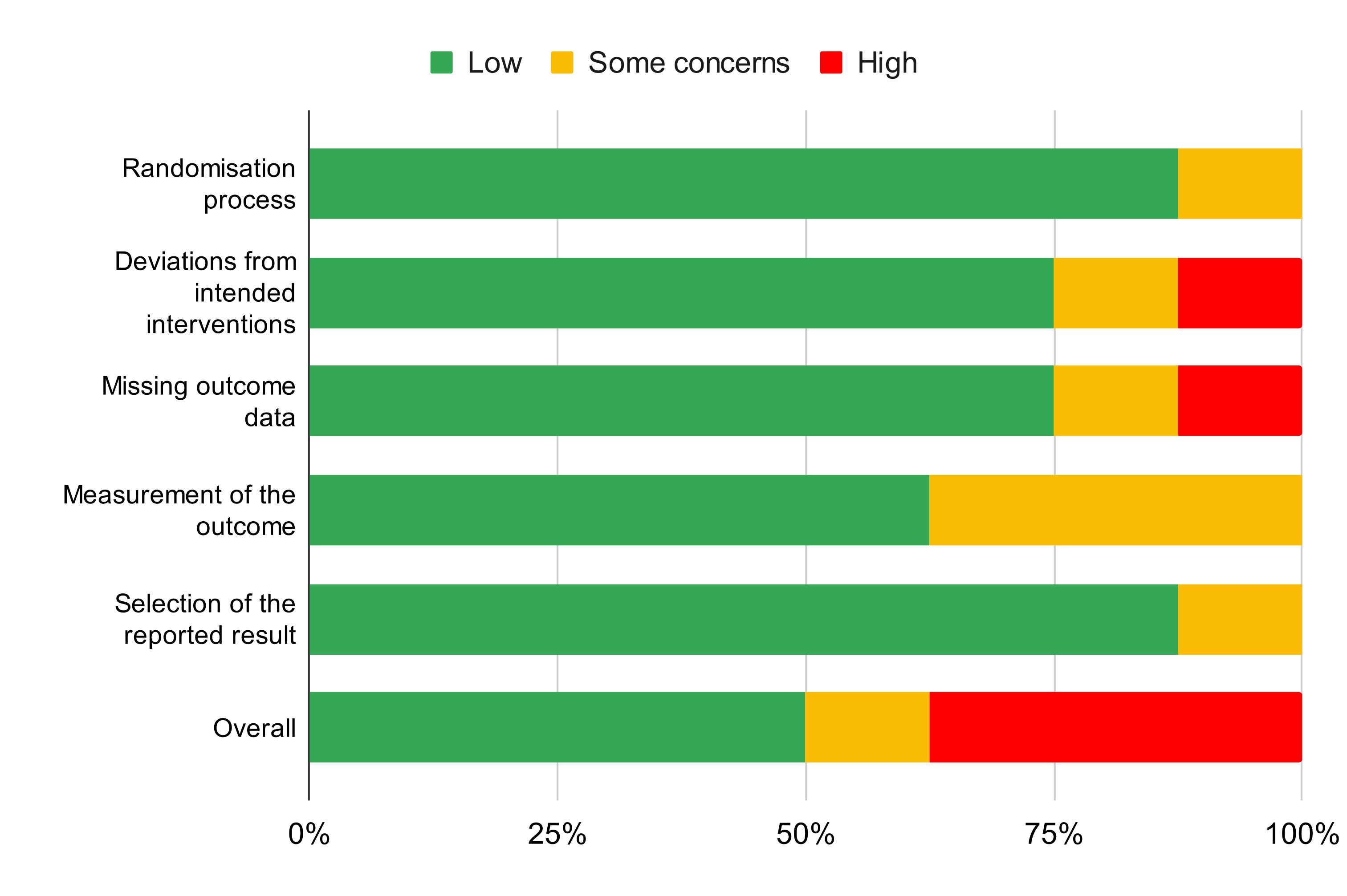
Risk-of-bias outcomes are presented in Figs. 3A–D. Among the RCTs, 4 were rated as low risk of bias,18,46,49,53 1 with some concerns39 and 3 with high risk of bias.33,38,41 The domains with significant methodological issues were mainly that of outcome measurement, due to the implementation of participant self-report of screening as the main measurement method. Among the non-randomised studies of intervention, 5 were rated as low risk of bias,31,32,40,44,52 12 had some concerns19,29,30,34,43,45,47,48,50,51,54,57 and 8 were rated as high risk of bias.27,28,35-37,42,55,56 Significant methodological issues were raised with regard to deviations from the intended intervention due to the lack of compliance reporting and measures to ensure compliance. There were also issues with confounding due to the insufficient reporting of baseline characteristics and absence of confounder adjustment, as well as the selection of outcomes due to the absence of a protocol existing prior to the study publication.
Figs. 3. Traffic-light plots describing the risk of bias as assessed by (A,C) Cochrane Risk-of-Bias 2 tool and (B, D) Cochrane Risk Of Bias In Non-randomised Studies of Interventions stratified by studies and risk-of-bias domains, respectively.
(A)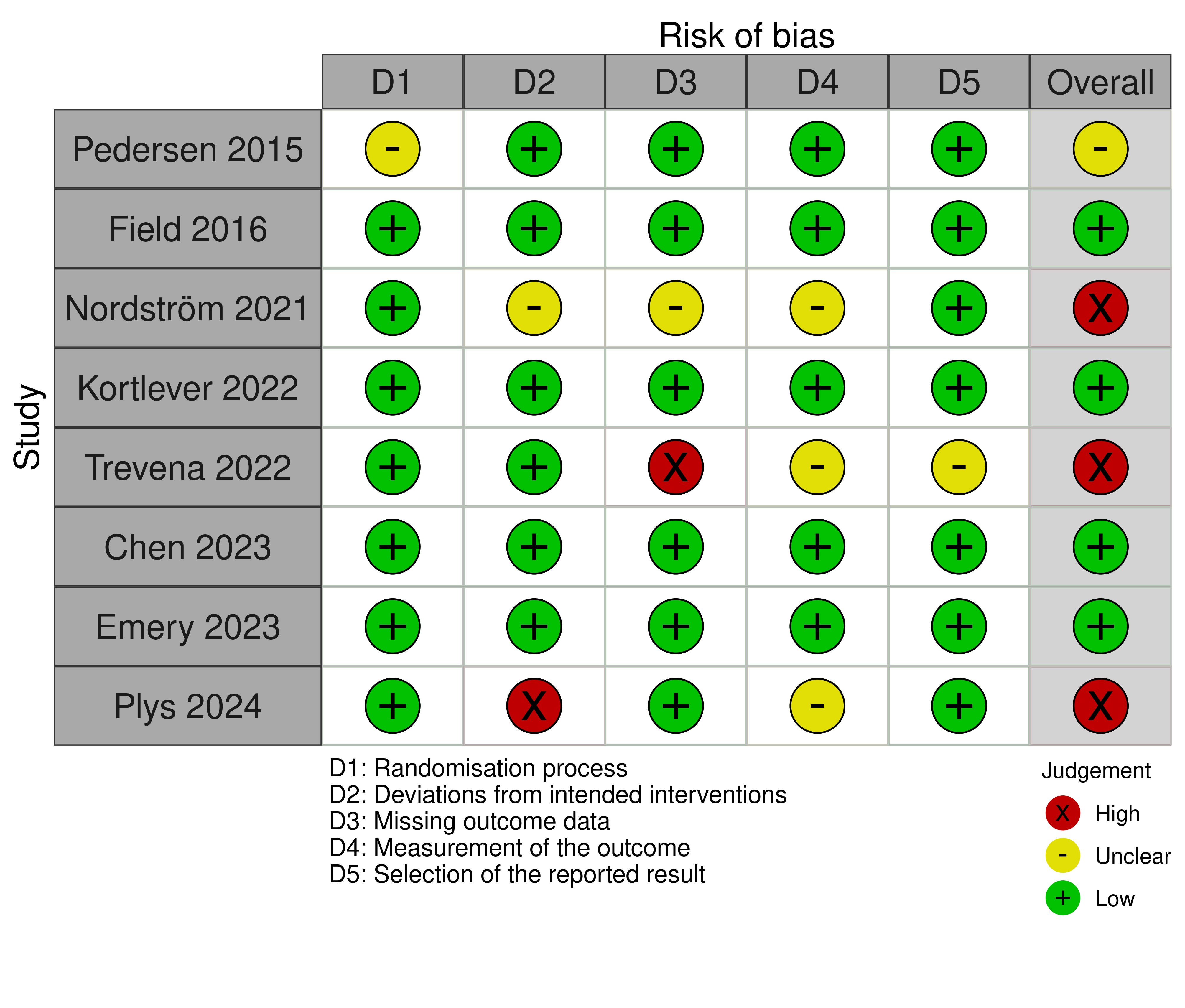 (B)
 (C)
(D) 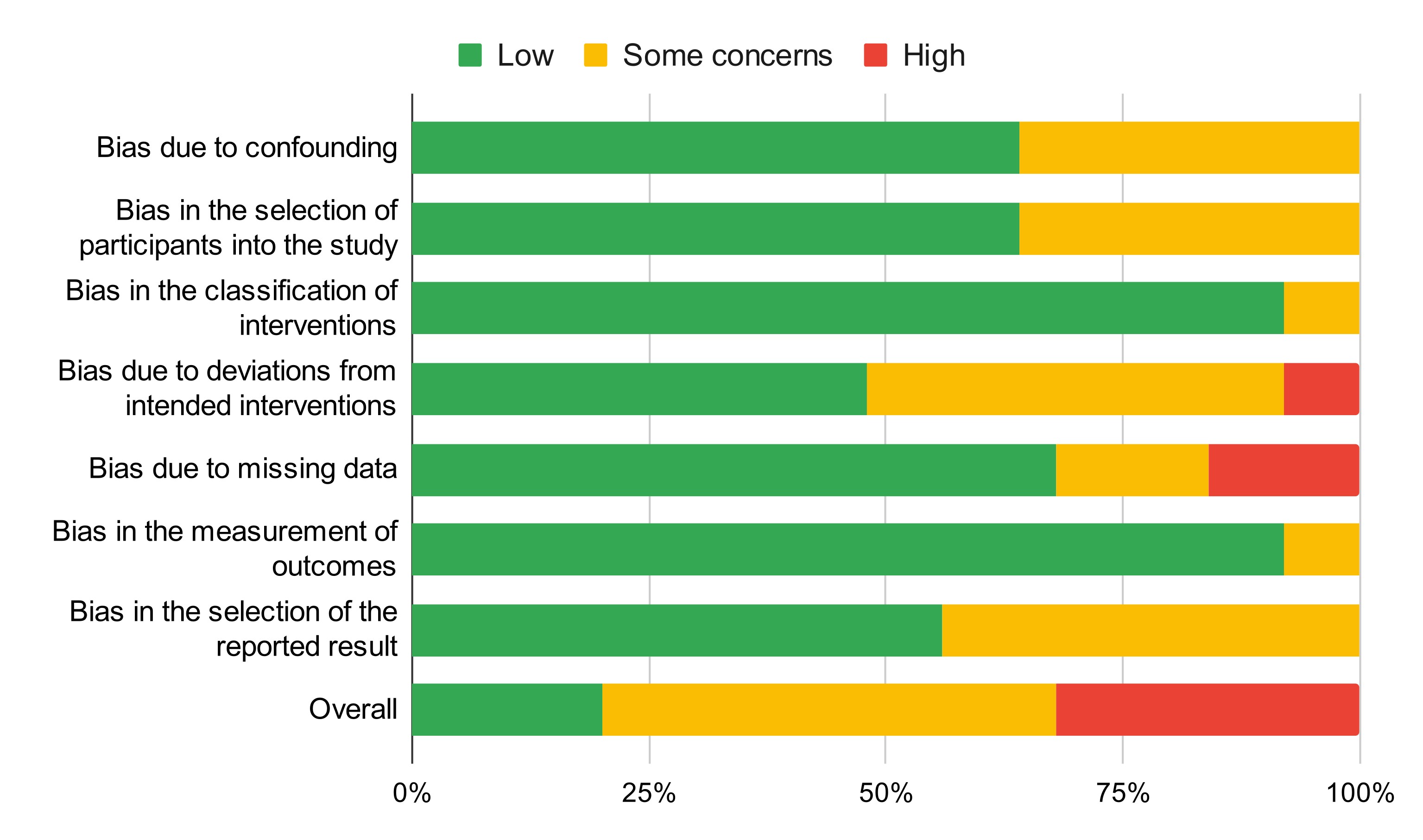
RBS methods
A summary of risk stratification methods by cancer type is presented in Table 2. Across the 33 studies, 23 utilised some form of imaging or clinical investigation that was specific to the cancer evaluated. These tests include mammogram for breast cancer, prostate serum antigen test for prostate cancer, fecal immunochemistry test for colorectal cancer and high-risk human papillomavirus types testing for cervical cancer. One study conducted Epstein-Barr virus serology testing for the risk stratification of nasopharyngeal carcinoma.54 Twenty-three studies assessed the level of genetic risk of the participant, mostly via family history of cancer, while 4 studies conducted genetic testing on recruited participants to assess for high-risk cancer genetic polymorphisms to calculate a polygenic risk score.19,31,40,41 Otherwise, cancer risk score was calculated with previously validated risk models incorporating participant characteristics, relevant family and personal history and symptoms, such as the Gail model32 and Tyrer-Cuzick model48 for breast cancer. Clinical questionnaires were deployed in 24 studies for risk assessment, of which 20 studies18,29,32-35,37,38,41-43,45-48,50,51,53,54,57 assessed the family history of cancer or related pathologies, such as polyps in colorectal cancer.45 Eleven studies assessed lifestyle factors that were associated with the cancer risk evaluated in the questionnaire,18,31,32,34,38,39,46,49,51,53,57 the most common of which was smoking history. Thirteen studies assessed the previous medical history that was associated with the cancer risk evaluated,18,19,31,32,34,38,39,41,43,47,49,51,57 such as a previous diagnosis of inflammatory bowel disease in colorectal cancer43 or a prescription of contraceptives in breast cancer.31,32 Seven studies assessed self-reported cancer-specific symptomatology among the participants.18,37,38,43,45,49,57
Table 2. Summary of risk stratification methods reported across included studies.
After collecting information on risk factors, stratification was done primarily via 3 approaches. Most studies stratified interventions by the presence or absence of a singular or combination of risk factors through an algorithmic approach (n=16, 48.5%),27-30,32,35,36,39,41,44,45,49,52,53,56 while 13 studies calculated a risk score using a previously validated model to stratify participants.18,19,31,34,37,38,40,46-48,51,54,57 Validated models include the Stockholm-3 model for prostate cancer19 and the PLCOm2012 model for lung cancer.34 The remaining 3 studies involved a risk assessment by the physician to personalise a risk-stratified intervention for the participant.42,43,50 Across the studies, participants would be stratified between 2 and 3 risk strata, each with a set of strata-specific interventions. One study further personalised these interventions to the individual risk profile of the participants in addition to strata-specific interventions, specifically personalising the initiation age of mammography and MRI of the breast.40
A summary of risk-stratified interventions by cancer type is presented in Table 3. Participants within the high-risk strata were often recommended invasive procedures or biopsies, such as colonoscopy in colorectal cancer screening33,38,43,45,46,51,53 and referral to a specialist or an oncology clinic for follow-up.18,19,28,33,42,56 One study further recommended discussion with a clinician for the initiation of chemoprevention therapy of breast cancer.40 Participants within the moderate-risk strata were recommended non-invasive tests instead or returned to routine screening with a higher frequency than average participants.
Table 3. Summary of follow-up interventions for each cancer type stratified by risk level.
RBS outcomes
Cancer risk and survivorship outcomes
Of the 33 studies, 10 studies did not record cancer diagnoses as an outcome measure among the risk-stratified participants.18,31,33,38,40,41,43,44,48,50 Seven studies found that higher risk-strata participants had a statistically significant higher rate of cancer diagnosis than lower risk-strata participants,28,30,39,42,44,50,54 which concurred with the theoretical risk model findings of the respective studies. In the remaining studies that reported cancer diagnosis endpoints, 4 studies reported a follow-up duration of less than a year,35,37,46,47 14 studies reported a follow-up duration between 1 and 5 years,27,30,32,36,42,45,49,52,53,55-57,70,72 while 5 studies followed up with patients for 5 years or more.28,29,39,51,54 In terms of outcomes, 2 studies found that RBS participants had a statistically significant higher rate of cancer diagnosis than control participants,36,41 while 3 studies found that RBS was non-inferior to the control paradigm in diagnosing cancer.29,46,53 Only one study, the Danish Lung Cancer Screening Trial, reported on the mortality outcomes of participants, specifically that there was no significant differences in lung cancer mortality between the participants that underwent RBS and those that did not undergo screening.39
Only 12 studies reported at least one measure of diagnostic test accuracy of the implemented RBS programme,28,30,34,36,40,44-46,54,55,57 such as sensitivity or area under the receiver operating characteristic curve.
Participant uptake and acceptability
Nine studies reported on the extent of uptake of strata-specific interventions.18,19,29,30,33,34,37,38,43,44,46-49,51,53,56,57 The median proportion of high-risk participants that received their strata-specific intervention was 71.3% (IQR 38.8%), 75.4% (IQR 38.3%) for moderate-risk participants and 67.9% (IQR 55.0%) for low-risk participants. One study found that risk-stratified participants who were made aware of their cancer risk assessment were significantly more likely to undergo risk-appropriate screening than those who did not.18 Three studies reported significant positive changes in patient-reported outcomes, such as decreased anxiety towards cancer, high satisfaction with the screening process or increased perceived risk of cancer.18,34,50 One study further reported qualitative findings, following an in-depth interview of the participants, which concluded that participants found genetic counselling useful as they gained knowledge of their own risk factors for cancer and were empowered to proactively self-monitor or act upon their cancer risk profile.50
Cost-effectiveness and healthcare utilisation
Seven studies analysed the comprehensive health services and outcomes of RBS programmes, yielding promising results.18,19,32,34,49,51,53 The majority of these studies18,32,49,51,53 concluded that RBS can lead to potential cost savings and a significant increase in quality-adjusted life years compared to existing screening guidelines. Additionally, one study found that RBS resulted in substantially reduced rates of unnecessary biopsies,19 while another study revealed that RBS programmes did not lead to increased waiting times for computed tomography scans, despite the increased scan volume.34
DISCUSSION
Significant developments have facilitated the translation of cancer risk prediction models into the real-world implementation of RBS programmes to stratify asymptomatic individuals for risk-appropriate screening. To the authors’ knowledge, this is the first systematic review to consolidate the evidence base for the real-world implementation of RBS programmes. A majority of the studies explored screening for colorectal cancer, followed by breast and prostate cancer with most RBS programmes employing algorithm-driven risk stratification or validated risk scoring equation based on the presence of risk factors. Although few studies have recorded cancer diagnoses among participants, available data indicate RBS programmes either outperform or demonstrate non-inferiority to standard screening guidelines. Furthermore, studies assessing participant acceptability found that those enrolled in RBS viewed such programmes positively, citing improvements in education towards cancer risk and their options with respect to their individual propensities for cancer.
Although many risk models for various cancer types have been elucidated, the implementation of such models to inform risk-appropriate screening in the real-world setting remains poorly studied. Various in silico studies have demonstrated the potential cost-effectiveness of RBS over age-based screening paradigms,58-60 yet such cost-savings may be erroneously high as modelling studies often overestimate the real-world compliance rate to risk-appropriate screening among the participants. Hence, future studies on cancer screening can consider reporting health services outcomes, such as cost-savings incurred or disability-adjusted life-years, so as to quantify the cost-effectiveness of RBS in relation to the upfront costs of risk stratification. Factors impacting the attendance of RBS and subsequent follow-up visits are similar to that of traditional screening,61 including perceived lack of self-efficacy, fear of cancer diagnosis, cultural beliefs towards cancer and inconvenience.17,62,63 Recent work has shown that one way to overcome these barriers is through timely and reassuring communication of results and their implications to patients, as well as centring the discussion of cancer risk management around autonomy and self-efficacy.62 Our review found that participants in the higher risk strata had higher adherence to follow-up, which implies that differing sets of facilitators and barriers to RBS and follow-up exist between participants of different risk-strata. Thus, future research should focus on understanding these stratum-specific barriers to RBS attendance and follow-up adherence, thus enabling the development of targeted interventions that can be implemented alongside RBS programmes. Such studies can be part of a broader implementation framework, which can include approaches such as but not limited to (1) stratum-specific barrier assessment studies, (2) development of targeted interventions and (3) research into comparative effectiveness across different implementation strategies.
There may be public and provider resistance against the de-implementation of screening among supposedly low-risk participants if RBS were to be effectuated,64 as it contradicts pre-existing age-based screening guidelines as recognised in the public consciousness.65,66 RBS may expose high-risk individuals to discrimination by insurers and employers. Furthermore, RBS that implements PRS derived from genomic testing may face even more significant challenges, such as high costs67 and the ethico-legal consequences following genomic testing, including data privacy, test result uncertainty and conflict with personal and religious values.68,69 Thus, healthcare system administrators and policymakers may consider consulting public opinion and work closely with private insurers to design fair and reasonable risk-stratification screening programmes. Subsequently, extensive public communication might be required to address the complexity underlying RBS programmes and to reconcile pre-existing sociocultural beliefs and ideas towards cancer screening, so as to enhance the public enthusiasm and uptake of such programmes. There is a role for healthcare professionals (HCPs) in the promotion of RBS as well, especially general practitioners and family medicine specialists, as they are often the first healthcare encounter that most patients have. A recent review reported that HCPs are more likely to accept and promote RBS if presented with robust evidence of its efficacy and cost-effectiveness that outweighs the need for more resources and patient-facing work.70 Thus, healthcare administrators and policymakers can also consider providing more support to HCPs on-the-ground in the implementation of such programmes, by having guideline update sessions, providing more administrative support or streamlining care pathways for referrals.
Even if RBS were to be implemented in spite of the aforementioned barriers, consideration must be given to underserved populations and the applicability of models to non-Caucasian populations. In this systematic review and among other studies, most risk-prediction models were derived from the case-control studies of majority-Caucasian cohorts, such as the Stockholm-3 model,71 BOADICEA model72 and PLCOm201273 model. Thus, the transferability of these models to non-Caucasian populations is limited, which explains the observed lack of RBS studies in the Asia-Pacific, South American and Middle Eastern–North African (MENA) regions. Yet, it is precisely these same countries that may benefit the most from RBS due to the potential cost-savings and patient harm reduction observed in successful programmes, suggesting its suitability for adoption in low-resource regions within those geographies. As such, there exist ethnic disparities in early cancer detection tools, which are further compounded by existing socioeconomic inequalities that already complicate healthcare access among underserved populations.74,75 Of note, China is an exception as researchers were able to utilise the China Kadoorie Biobank to derive risk-prediction models representative of their population,76-78 although no real-world implementation of these models has been recorded to our knowledge. One study53 also utilised the Asia-Pacific Colorectal Screening Score79 in the implementation of RBS, which is more representative of Asian populations.
Despite the above problems, RBS remains a promising way forward for cancer screening based on the findings of this review. First, RBS was able to reduce costs and excessive patient harm by reducing the number of unnecessary investigations while maintaining good accuracy in diagnosing true cancers. This was achieved when RBS programmes were able to match the appropriately powered investigation to the risk level of the individual. Furthermore, the participants viewed genomic testing for cancer screening positively, and the newfound knowledge empowered them to manage their cancer risk levels appropriately. Hence, such factors underlying the acceptability or refusal of an individual to RBS must be better studied to inform the real-world implementation of RBS, such that it can achieve high uptake in both screening and follow-up across all demographics.
In terms of quality assessment, study quality was poor among the non-randomised studies of intervention, as only 5 studies were rated with a low overall risk of bias. One significant factor was the absence of measures to account for deviations from the risk-stratified interventions among the participants. Studies either reported a low compliance rate of risk-stratified interventions among the participants or did not consider the capacity of participants to seek care and opinions extraneous to the study paradigm. This bias further translated to the high rates of lost-to-follow-up among some of the studies as well, since participants who did not comply with the risk-stratified intervention may drop out from the study altogether. Study quality was higher but could be improved among the RCTs, especially in terms of outcome measurement. This was so as among trials that assessed the initial compliance of RBS, outcomes were measured via participant self-reporting, which is less accurate than medical record linkage. Otherwise, the RCTs were generally well-designed and likely to report unbiased findings. In addition to risk of bias assessed by RoB2 and ROBINS-I, the authors further identified the potential for both differential verification bias and lead-time bias in these studies. Differential verification biases may arise because low-risk participants often received less rigorous or no follow-up investigations compared to high-risk participants, leading to the inconsistent verification of outcomes between groups. This could impact the assessment of diagnostic accuracy by inflating the detection rates among high-risk participants who received more intensive evaluations. Additionally, lead-time bias may influence survival outcomes, as high-risk participants are likely diagnosed earlier due to expedited diagnostic testing, which may appear to extend survival compared to low-risk individuals. Studies evaluating treatment, morbidity and mortality outcomes among these cohorts should therefore account for both differential verification bias and lead-time bias to provide a more accurate interpretation of RBS effectiveness.
The primary strength of our review was the comprehensiveness of the search done across 7 databases. Furthermore, our review focused on implementation trials to address the translation gap of cancer risk prediction models with a comprehensive synthesis of outcomes beyond that of usual clinical indicators, such as diagnostic test accuracy measures or mortality estimates. However, there are some limitations. The main limitation is that of the significant heterogeneity in study designs and outcomes reported across the included studies. As such, meta-analysis was precluded from our review as well as limiting the comparability of results between trials. However, as RBS is a complex public health intervention, such heterogeneity is expected especially in a real-world implementation setting. Thus, the authors attempted to improve the interpretability of results by using a systematic approach in narrative synthesis and summarising key risk stratification methodologies by cancer types.
CONCLUSION
The RBS of cancer is being implemented worldwide, following the in silico development and validation of various cancer risk prediction models. A majority of real-world-implemented RBS programmes screened for colorectal cancer, followed by breast and prostate cancer. Most studies were conducted in either the North American or European region, with most Asian studies conducted in China. More risk prediction models need to be developed primarily from non-Caucasian cohorts to facilitate the translation of RBS to Asian, South American and MENA settings. This review also suggests concerns regarding the uptake of risk-appropriate screening in real-world settings, necessitating qualitative studies to elucidate the facilitators and barriers of RBS among patients and clinicians alike. As RBS becomes increasingly mainstream, subsequent studies must take care in adjusting for potential lead time and verification bias when assessing survivorship outcomes, while also evaluating the cost-effectiveness and ethico-legal considerations of personalised screening strategies.
Supplementary material
REFERENCES
1. Bray F, Laversanne M, Sung H, et al. Global cancer statistics 2022: GLOBOCAN estimates of incidence and mortality worldwide for 36 cancers in 185 countries. CA Cancer J Clin 2024;74:229-63.
2. Office for National Statistics. Cancer survival by stage at diagnosis for England (experimental statistics): Adults diagnosed 2012, 2013 and 2014 and followed up to 2015. https://www.ons.gov.uk/peoplepopulationandcommunity/healthandsocialcare/conditionsanddiseases/bulletins/cancersurvivalbystageatdiagnosisforenglandexperimentalstatistics/adultsdiagnosed20122013and2014andfollowedupto2015. Accessed 8 August 2024.
3. Li YL, Qin YC, Tang LY, et al. Patient and Care Delays of Breast Cancer in China. Cancer Res Treat 2019;51:1098-106.
4. Neal RD, Tharmanathan P, France B, et al. Is increased time to diagnosis and treatment in symptomatic cancer associated with poorer outcomes? Systematic review. Br J Cancer 2015;112:S92-107.
5. Hanna TP, King WD, Thibodeau S, et al. Mortality due to cancer treatment delay: systematic review and meta-analysis. BMJ 2020;371:m4087.
6. Brawley OW, Kramer BS. Cancer screening in theory and in practice. J Clin Oncol 2005;23:293-300.
7. Smith RA, Andrews KS, Brooks D, et al. Cancer screening in the United States, 2017: A review of current American Cancer Society guidelines and current issues in cancer screening. CA Cancer J Clin 2017;67:100-21.
8. Arnold M, Karim-Kos HE, Coebergh JW, et al. Recent trends in incidence of five common cancers in 26 European countries since 1988: Analysis of the European Cancer Observatory. Eur J Cancer 2015;51:1164-87.
9. Bailey CE, Hu CY, You YN, et al. Increasing disparities in the age-related incidences of colon and rectal cancers in the United States, 1975–2010. JAMA Surg 2015;150:17-22. 10. Kerlikowske K, O’Kane ME, Esserman LJ. Fifty years of age-based screening: time for a new risk-based screening approach. Evid Based Med 2014;19:183.
11. Harris RP, Sheridan SL, Lewis CL, et al. The harms of screening: a proposed taxonomy and application to lung cancer screening. JAMA Intern Med 2014;174:281-5.
12. Heleno B, Thomsen MF, Rodrigues DS, et al. Quantification of harms in cancer screening trials: literature review. BMJ 2013;347:f5334.
13. Fitzgerald RC, Antoniou AC, Fruk L, et al. The future of early cancer detection. Nat Med 2022;28:666-77.
14. Crosby D, Bhatia S, Brindle KM, et al. Early detection of cancer. Science 2022;375:eaay9040.
15. Lee A, Mavaddat N, Wilcox AN, et al. BOADICEA: a comprehensive breast cancer risk prediction model incorporating genetic and nongenetic risk factors. Genet Med 2019;21:1708-18.
16. Khan SA, Hernandez-Villafuerte KV, Muchadeyi MT, et al. Cost-effectiveness of risk-based breast cancer screening: A systematic review. Int J Cancer 2021;149:790-810.
17. Rainey L, van der Waal D, Wengström Y, et al. Women’s perceptions of the adoption of personalised risk-based breast cancer screening and primary prevention: a systematic review. Acta Oncol 2018;57:1275-83.
18. Emery JD, Jenkins MA, Saya S, et al. The Colorectal cancer RISk Prediction (CRISP) trial: a randomised controlled trial of a decision support tool for risk-stratified colorectal cancer screening. Br J Gen Pract 2023;73:e556-65.
19. Grönberg H, Adolfsson J, Aly M, et al. Prostate cancer screening in men aged 50-69 years (STHLM3): a prospective population-based diagnostic study. Lancet Oncol 2015;16:1667-76.
20. Velentzis LS, Freeman V, Campbell D, et al. Breast Cancer Risk Assessment Tools for Stratifying Women into Risk Groups: A Systematic Review. Cancers (Basel) 2023;15:1124.
21. Fabbro M, Hahn K, Novaes O, et al. Cost-Effectiveness Analyses of Lung Cancer Screening Using Low-Dose Computed Tomography: A Systematic Review Assessing Strategy Comparison and Risk Stratification. Pharmacoecon Open 2022;6:773-86.
22. Cumpston M, Flemyng E, Thomas J, et al. Cochrane Handbook for Systematic Reviews of Interventions version 6.4 (updated August 2023). https://www.cochrane.org/authors/handbooks-and-manuals/handbook/archive/v6.4. Accessed 10 July 2025.
23. Page MJ, McKenzie JE, Bossuyt PM, et al. The PRISMA 2020 statement: An updated guideline for reporting systematic reviews. Int J Surg 2021;88:105906.
24. Sterne JAC, Savović J, Page MJ, et al. RoB 2: a revised tool for assessing risk of bias in randomised trials. BMJ 2019;366:l4898.
25. Sterne JA, Hernán MA, Reeves BC, et al. ROBINS-I: a tool for assessing risk of bias in non-randomised studies of interventions. BMJ 2016;355:i4919.
26. McGuinness LA, Higgins JPT. Risk-of-bias VISualization (robvis): An R package and Shiny web app for visualizing risk-of-bias assessments. Res Synth Methods 2021;12:55-61.
27. Yu YQ, Jiang MY, Zhang X, et al. Effectiveness of high-risk human papillomavirus genotyping for cervical cancer screening. A multicentre screening cohort study in rural China. An Sist Sanit Navar 2024;47:e1065.
28. Yousaf-Khan U, van der Aalst C, de Jong PA, et al. Risk stratification based on screening history: the NELSON lung cancer screening study. Thorax 2017;72:819-24.
29. Yen AMF, Tsau HS, Fann JCY, et al. Population-Based Breast Cancer Screening With Risk-Based and Universal Mammography Screening Compared With Clinical Breast Examination: A Propensity Score Analysis of 1 429 890 Taiwanese Women. JAMA Oncol 2016;2:915-21.
30. Xu HF, Liu Y, Luo YL, et al. The Risk Stratification for Cervical Cancer and Precursors of Domestic HPV Testing With HPV 16/18 Genotyping in Women With NILM Cytology in CentralChina: A Cohort Study. Front Oncol 2021;11:716762.
31. Walker MJ, Blackmore KM, Chang A, et al. Implementing Multifactorial Risk Assessment with Polygenic Risk Scores for Personalized Breast Cancer Screening in the Population Setting: Challenges and Opportunities. Cancers (Basel) 2024;16:2116.
32. Venturini E, Losio C, Panizza P, et al. Tailored breast cancer screening program with microdose mammography, US, and MR Imaging: short-term results of a pilot study in 40-49-year-old women. Radiology 2013;268:347-55.
33. Trevena LJ, Meiser B, Mills L, et al. Which Test Is Best? A Cluster-Randomized Controlled Trial of a Risk Calculator and Recommendations on Colorectal Cancer Screening Behaviour in General Practice. Public Health Genomics 2022;1-16.
34. Tammemägi MC, Darling GE, Schmidt H, et al. Risk-based lung cancer screening performance in a universal healthcare setting. Nat Med 2024;30:1054-64.
35. Swenen L, Bleret V, Lifrange E, et al. [A new approach to breast cancer screening]. Rev Med Liege 2017;72:87-91.
36. Stojadinovic A, Nissan A, Shriver CD, et al. Electrical impedance scanning as a new breast cancer risk stratification tool for young women. J Surg Oncol 2008;97:112-20.
37. Reesink DJ, Schilham MGM, van der Hoeven EJRJ, et al. Comparison of risk-calculator and MRI and consecutive pathways as upfront stratification for prostate biopsy. World J Urol 2021;39:2453-61.
38. Plys E, Bulliard JL, Chaouch A, et al. Colorectal Cancer Screening Decision Based on Predicted Risk: Protocol for a Pilot Randomized Controlled Trial. JMIR Res Protoc 2023;12:e46865.
39. Pedersen JH, Ashraf H, Dirksen A, et al. The Danish randomized lung cancer CT screening trial—overall design and results of the prevalence round. J Thorac Oncol 2009;4:608-14.
40. Padrik P, Puustusmaa M, Tõnisson N, et al. Implementation of Risk-Stratified Breast Cancer Prevention With a Polygenic Risk Score Test in Clinical Practice. Breast Cancer (Auckl) 2023;17:11782234231205700.
41. Nordström T, Discacciati A, Bergman M, et al. Prostate cancer screening using a combination of risk-prediction, MRI, and targeted prostate biopsies (STHLM3-MRI): a prospective, population-based, randomised, open-label, non-inferiority trial. Lancet Oncol 2021;22:1240-9.
42. Michael ZD, Kotamarti S, Arcot R, et al. Initial Longitudinal Outcomes of Risk-Stratified Men in Their Forties Screened for Prostate Cancer Following Implementation of a Baseline Prostate-Specific Antigen. World J Mens Health 2023;41:631-9.
43. Manuc M, Diculescu M, Dumitru E, et al. Introducing Colorectal Cancer Screening in Romania – Preliminary Results from the Regional Pilot Programs (ROCCAS). J Gastrointest Liver Dis 2024;33:37-43.
44. Loopik DL, Koenjer LM, Siebers AG, et al. Benefit and burden in the Dutch cytology-based vs high-risk human papillomavirus-based cervical cancer screening program. Am J Obstet Gynecol 2021;224:200.e1-200.e9.
45. Li W, Zhao LZ, Ma DW, et al. Predicting the risk for colorectal cancer with personal characteristics and fecal immunochemical test. Medicine (Baltimore) 2018;97:e0529.
46. Kortlever TL, van der Vlugt M, Duijkers FAM, et al. Diagnostic yield of a risk model versus faecal immunochemical test only: a randomised controlled trial in a colorectal cancer screening programme. Br J Cancer 2023;129:791-6.
47. Guivatchian T, Koeppe ES, Baker JR, et al. Family history in colonoscopy patients: feasibility and performance of electronic and paper-based surveys for colorectal cancer risk assessment in the outpatient setting. Gastrointest Endosc 2017;86:684-91.
48. Gareth Evans D, McWilliams L, Astley S, et al. Quantifying the effects of risk-stratified breast cancer screening when delivered in real time as routine practice versus usual screening: the BC-Predict non-randomised controlled study (NCT04359420). Br J Cancer 2023;128:2063-71.
49. Field JK, Duffy SW, Baldwin DR, et al. The UK Lung Cancer Screening Trial: a pilot randomised controlled trial of low-dose computed tomography screening for the early detection of lung cancer. Health Technol Assess 2016;20:1-146.
50. Dwarte T, McKay S, Johns A, et al. Genetic counselling and personalised risk assessment in the Australian pancreatic cancer screening program. Hered Cancer Clin Pract 2019;17:30.
51. Dong X, Du L, Luo Z, et al. Combining fecal immunochemical testing and questionnaire-based risk assessment in selecting participants for colonoscopy screening in the Chinese National Colorectal Cancer Screening Programs: A population-based cohort study. PLoS Med 2024;21:e1004340.
52. Chiu PK, Lam TY, Ng CF, et al. The combined role of MRI prostate and prostate health index in improving detection of significant prostate cancer in a screening population of Chinese men. Asian J Androl 2023;25:674-9.
53. Chen H, Shi J, Lu M, et al. Comparison of colonoscopy, fecal immunochemical test, and risk-adapted approach in a colorectal cancer screening trial (TARGET-C). Clin Gastroenterol Hepatol 2023;21:808-18.
54. Chen GH, Liu Z, Ji MF, et al. Prospective assessment of a nasopharyngeal carcinoma risk score in a population undergoing screening. Int J Cancer 2021;148:2398-406.
55. Budal EB, Haugland HK, Skar R, et al. HPV DNA testing improves CIN2+ risk stratification and detection of CIN2+ in delayed triage of ASCUS and LSIL. A population-based follow-up study from Western Norway. Cancer Med 2014;3:182-9.
56. Alterbeck M, Thimansson E, Bengtsson J, et al. A pilot study of an organised population-based testing programme for prostate cancer. BJU Int 2024;133:87-95.
57. Adeoye J, Sakeen Alkandari A, Tan JY, et al. Performance of a simplified scoring system for risk stratification in oral cancer and oral potentially malignant disorders screening. J Oral Pathol Med Off Publ Int Assoc Oral Pathol Am Acad Oral Pathol 2022;51:464-73.
58. Dan YY, Chuah BYS, Koh DCS, et al. Screening based on risk for colorectal cancer is the most cost-effective approach. Clin Gastroenterol Hepatol 2012;10:266-71.e1-6.
59. Vilaprinyo E, Forné C, Carles M, et al. Cost-effectiveness and harm-benefit analyses of risk-based screening strategies for breast cancer. PLoS One 2014;9:e86858.
60. Kumar V, Cohen JT, van Klaveren D, et al. Risk-Targeted Lung Cancer Screening. Ann Intern Med 2018;168:161-9.
61. Weller DP, Patnick J, McIntosh HM, et al. Uptake in cancer screening programmes. Lancet Oncol 2009;10:693-9.
62. Bas S, Sijben J, Bischoff EWMA, et al. Acceptability of risk-based triage in cervical cancer screening: A focus group study. PLoS One 2023;18:e0289647.
63. Young B, Robb KA. Understanding patient factors to increase uptake of cancer screening: a review. Future Oncol 2021;17:3757-75.
64. Roberts MC. Implementation Challenges for Risk-Stratified Screening in the Era of Precision Medicine. JAMA Oncol 2018;4:1484-5.
65. Haas JS, Sprague BL, Klabunde CN, et al. Provider Attitudes and Screening Practices Following Changes in Breast and Cervical Cancer Screening Guidelines. J Gen Intern Med 2016;31:52-9.
66. Squiers LB, Holden DJ, Dolina SE, et al. The public’s response to the U.S. Preventive Services Task Force’s 2009 recommendations on mammography screening. Am J Prev Med 2011;40:497-504.
67. Aizuddin AN, Ramdzan AR, Syed Omar SA, et al. Genetic Testing for Cancer Risk: Is the Community Willing to Pay for It? Int J Environ Res Public Health 2021;18:8752.
68. Frost CJ, Andrulis IL, Buys SS, et al. Assessing patient readiness for personalized genomic medicine. J Community Genet 2019;10:109-20.
69. Zhong A, Darren B, Loiseau B, et al. Ethical, social, and cultural issues related to clinical genetic testing and counseling in low- and middle-income countries: a systematic review. Genet Med 2021;23:2270-80.
70. Taylor LC, Law K, Hutchinson A, et al. Acceptability of risk stratification within population-based cancer screening from the perspective of healthcare professionals: A mixed methods systematic review and recommendations to support implementation. PLoS One 2023;18:e0279201.
71. Grönberg H, Adolfsson J, Aly M, et al. Prostate cancer screening in men aged 50–69 years (STHLM3): a prospective population-based diagnostic study. Lancet Oncol 2015;16:1667-76.
72. Antoniou AC, Pharoah PPD, Smith P, et al. The BOADICEA model of genetic susceptibility to breast and ovarian cancer. Br J Cancer 2004;91:1580-90.
73. Tammemägi MC, Katki HA, Hocking WG, et al. Selection criteria for lung-cancer screening. N Engl J Med 2013;368:728-36.
74. O’Connor JM, Sedghi T, Dhodapkar M, et al. Factors Associated With Cancer Disparities Among Low-, Medium-, and High-Income US Counties. JAMA Netw Open 2018;1:e183146.
75. El Saghir NS, El Tomb PA, Carlson RW. Breast Cancer Diagnosis and Treatment in Low- and Mid-Resource Settings: the Role of Resource-Stratified Clinical Practice Guidelines. Curr Breast Cancer Rep 2018;10:187-95.
76. Zhu X, Lv J, Zhu M, et al. Development, validation, and evaluation of a risk assessment tool for personalized screening of gastric cancer in Chinese populations. BMC Med 2023;21:159.
77. Abhari RE, Thomson B, Yang L, et al. External validation of models for predicting risk of colorectal cancer using the China Kadoorie Biobank. BMC Med 2022;20:302.
78. Han Y, Lv J, Yu C, et al. Development and external validation of a breast cancer absolute risk prediction model in Chinese population. Breast Cancer Res 2021;23:62.
79. Yeoh KG, Ho KY, Chiu HM, et al. The Asia-Pacific Colorectal Screening score: a validated tool that stratifies risk for colorectal advanced neoplasia in asymptomatic Asian subjects. Gut 2011;60:1236-41.
Not applicable, as no new data were collected from human or animal subjects.
The authors declare there are no affiliations with or involvement in any organisation or entity with any financial interest in the subject matter or materials discussed in this manuscript. This research did not receive any specific grant from funding agencies in the public, commercial or not-for-profit sectors.
Dr Joanne Ngeow, Lee Kong Chian School of Medicine, Nanyang Technological University, 11 Mandalay Road, Singapore 308232. Email: [email protected]
