


Editorial
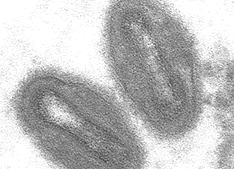
The global emergence of monkeypox
Monkeypox is so named because the poxvirus was first identified in 2 outbreaks among cynomolgus monkeys housed at the Statens Serum Institut, Denmark, in...

Bridging electroconvulsive therapy in schizophrenia with cognition and quality of life
Schizophrenia is one of the most debilitating severe mental illnesses with significant impact,1 irrespective of culture or socioeconomic class.2 Over the decades, antipsychotic medication...

Treating patients at home: A novel solution for old problems
Hospital-at-home (HaH) programmes deliver hospital-type treatments to patients located in their own homes, often in substitution for an acute inpatient admission or to support...

Out-of-hospital cardiac arrest in Singapore: Can we do better?
Cardiac arrests are unpredictable events that frequently result in death or significant residual morbidity among survivors. These sudden events affect not only the individual,...
Challenges and considerations in delivering nutritional therapy in the ICU during COVID-19 pandemic
Coronavirus disease 2019 (COVID-19) has created unprecedented challenges for healthcare workers in Singapore and across the world. Providing clinical nutrition and metabolic care to...

Sepsis and cardiovascular events: The story so far
Sepsis is a state of life-threatening organ dysfunction that results from a dysregulated host immune response to infection.1 Sepsis is a common condition that...

Gastroesophageal reflux disease in Asian infants: Similar condition, different perceptions
Gastroesophageal reflux disease (GERD), a common problem in infancy, may lead to troublesome symptoms or complications such as oesophagitis or oesophageal stricturing in a...
Circular RNAs and sepsis: New frontiers in diagnostics and therapeutics?
Circular RNAs (circRNAs) are a group of endogenous RNAs characterised by their covalently closed-loop structures. These molecules are part of a large class of...
Polycystic ovary syndrome in Singapore
Polycystic ovary syndrome (PCOS) is the most common endocrine disorder in young women, affecting approximately 10% of women. It is a heterogeneous condition that...
Pressures, indexes and peripheral arterial disease: Time to rethink our approach?
Most patients with peripheral arterial disease (PAD) are asymptomatic. Despite the absence of symptoms, these patients have a significantly increased risk of death and...