

Review Article

Polycystic ovary syndrome v.2023: Simplified diagnostic criteria for an East Asian phenotype
Polycystic ovary syndrome (PCOS) is a common endocrine condition affecting 6–19% of women of reproductive age, depending on the reference population and definition used.1,2...


Improving visual outcomes in patients with rare paediatric eye diseases
Rare diseases are generally understood as those that affect less than 1 in 2000–2500 people in the general population.1 They are defined to affect...

AL amyloidosis: Singapore Myeloma Study Group consensus guidelines on diagnosis, treatment and management
Amyloidosis refers to disorders characterised by the deposition of insoluble amyloid fibrils, which are pathogenic,1 resulting in organ dysfunction. Amyloidoses differ in the protein...

Cardiovascular effects of COVID-19 in children
The global coronavirus disease 2019 (COVID-19) pandemic was caused by the severe acute respiratory syndrome coronavirus 2 (SARS-CoV-2). While the respiratory system is the...

Consensus statement on Singapore perinatal mental health guidelines on depression and anxiety
Perinatal mental health conditions have been recognised as a key area of focus by the World Health Organization, with the new guide published in...

Molecular testing in non-small cell lung cancer: A consensus recommendation
Lung cancer is a leading cause of cancer mortality worldwide, with an estimated 2.21 million new cases and 1.80 million deaths in 2020.1 In...

Consensus statement on Singapore integrated 24-hour activity guide for early childhood
Early childhood is a critical period for growth and development, setting the foundation for future and lifelong well-being.1 Adopting healthy lifestyle behaviours in early...

An approach to genetic testing in patients with metastatic castration-resistant prostate cancer in Singapore
Prostate cancer is the fifth most common cancer in Asian men, and with its rising incidence, is emerging as a health priority in Asia.1...

Through the eyes into the brain, using artificial intelligence
Neurological dysfunction is a leading cause of disability, affecting more than 276 million people worldwide.1 Over the last decades, the prevalence of neurological dysfunction...
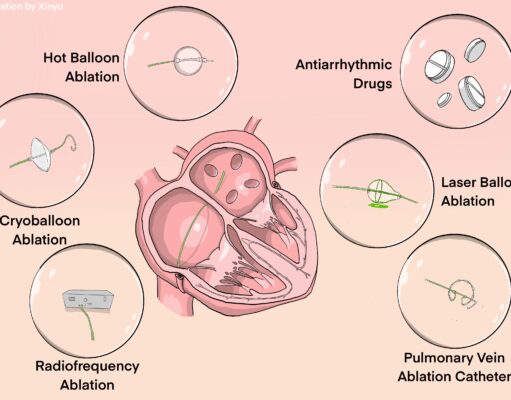
Ablation therapies for paroxysmal atrial fibrillation: A systematic review and patient-level network meta-analysis
Atrial fibrillation (AF) is a pertinent health condition that is seeing a sustained rise in global incidence and prevalence.1 In particular, paroxysmal AF (PAF),...