



Commentary

Augmented intelligence: An emerging paradigm for AI in healthcare
Artificial intelligence (AI) has become a transformative force across industries, including healthcare. In medicine, AI promises to assist in diagnosis, clinical documentation, triage and...

When is it ethically defensible for a medical practitioner to deviate from clinical practice...
In today’s world of rising average life expectancy, the world is populated by a significant number of older patients with complex illnesses and multiple...
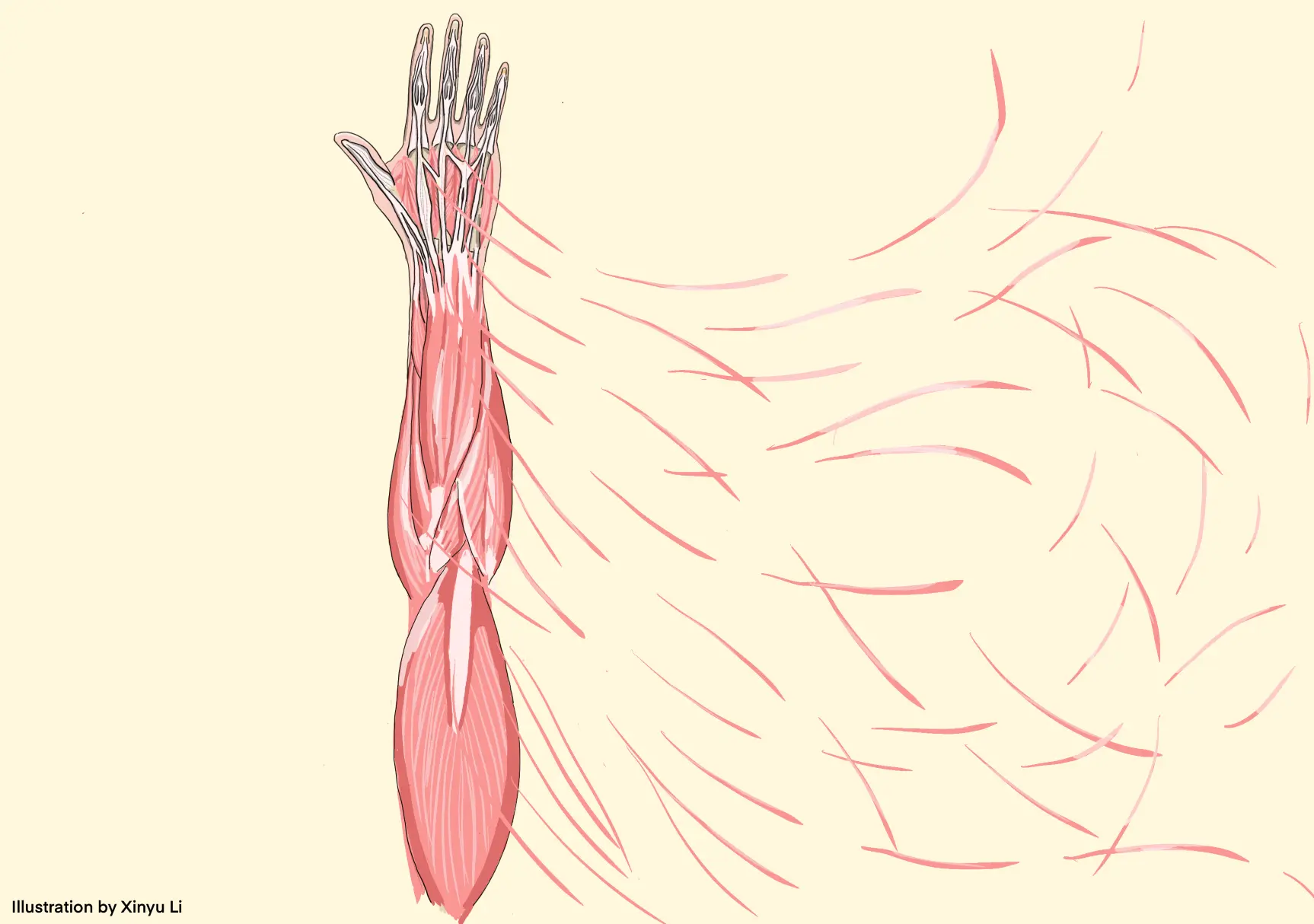
Systemic disconnects in musculoskeletal healthcare across the care continuum
Globally, musculoskeletal disorders are the second leading cause of non-fatal disability, affecting more than 1.63 billion people.1 Conditions such as osteoarthritis, osteoporosis, sarcopenia, low...
Virtual Reality and Telepresence for Military Medicine
For decades, warfighters have been putting in place a sophisticated “digital battlefield”, an electronic communication and information system to support advanced technology. Medicine is...

Bayesian meta-analysis in the 21st century: Fad or future of evidence synthesis?
Evidence-based medicine is the cornerstone of modern clinical decision-making, but not all evidence is practice-changing. To aid clinicians, there is an accepted hierarchy to...
Fluoride benefits and risks: Lessons from 70 years of water fluoridation in Singapore
On 6 January 2025, Taylor et al. published a systematic review and meta-analysis investigating fluoride exposure and children’s intelligence quotient (IQ) in the Journal...

It’s virtually a normal delivery! Revolutionising obstetric teaching with emerging technologies
Witnessing the start of life in the labour ward is the hallmark of every medical student’s obstetrics & gynaecology (O&G) rotation.1 In recent years,...

Supporting quadruple aim in primary care using artificial intelligence
Global healthcare challenges are pervasive, hindering delivery of effective, high-quality and sustainable care to populations worldwide. The quadruple aim in healthcare is a strategy...

Making better clinical decisions: How doctors can recognise and reduce bias and noise in...
In 1999, the US Institute of Medicine released a landmark report “To Err is Human: Building a Safer Health System” where it highlighted the...

Re-evaluating adjuvant systemic therapy in cancer treatment: Scientific rigour to guide policy and practice
In the 1980s, perioperative chemotherapy succeeded in improving survival for children with osteosarcoma and validated a fundamental premise: eradication of micrometastatic disease reduces distant...