



Original Article

Nutrition support practices for critically ill patients with severe acute respiratory syndrome coronavirus-2: A...
Within 3 weeks of the World Health Organization declaring the COVID-19 pandemic on 11 March 2020, the Society of Critical Care Medicine (SCCM) and...


Prevalence and correlates of psychological distress and coronavirus anxiety among hospital essential services workers...
The Coronavirus Disease 2019 (COVID-19) has affected almost all geographies in the world since 2020. Many countries have imposed strict isolation measures to contain...

Sepsis, cardiovascular events and short-term mortality risk in critically ill patients
Sepsis is defined as “life-threatening organ dysfunction caused by a dysregulated host immune response to infection”.1 It is one of the most common conditions...

Prevalence, risk factors and parental perceptions of gastroesophageal reflux disease in Asian infants in...
Functional gastrointestinal (GI) disorders, such as colic, gastroesophageal reflux (GER) and constipation, are common in infants under 1 year. They are a frequent cause...

Comparison of planned-start, early-start and deferred-start strategies for peritoneal dialysis initiation in end-stage kidney...
Peritoneal dialysis (PD) is a well-established long-term dialysis modality for patients with end-stage kidney disease (ESKD).1 It is recommended that a PD catheter should...

Diagnosis and management of polycystic ovary syndrome: Perspectives of clinicians in Singapore
Polycystic ovary syndrome (PCOS) is a common endocrine disorder estimated to affect 4–21% of women, depending on the diagnostic criteria used.1 Clinical manifestations of the...

Identifying high-risk hospitalised chronic kidney disease patient using electronic health records for serious illness...
In-hospital cardiopulmonary resuscitation (CPR) for chronic kidney disease (CKD) patients is shown to have lower survival1 and a higher proportion of survivors on maintenance...
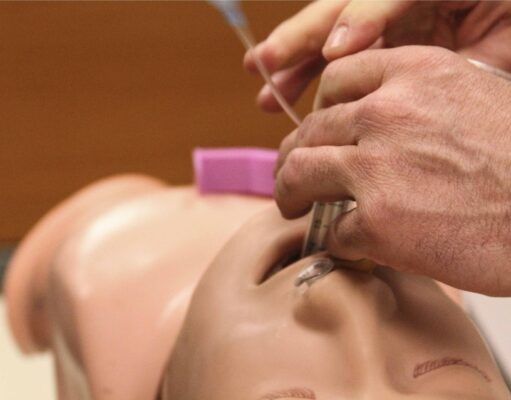
Pre- and apnoeic high-flow oxygenation for rapid sequence intubation in the emergency department (the...
Critically ill patients in the emergency department (ED) have shorter safe apnoea times due to physiological distress from decreased cardiac output, increased shunting and...

Diagnostic thresholds for absolute systolic toe pressure and toe-brachial index in diabetic foot screening
Diabetes mellitus is a global healthcare problem. In Singapore, the rising disease burden of this metabolic condition places considerable strain on the healthcare system,...

Death and cardiovascular outcomes in end-stage renal failure patients on different modalities of dialysis
End-stage renal failure (ESRF) is a major cause of morbidity and mortality worldwide, including Asia.1 In Singapore, incidence of chronic kidney disease (CKD) stage...